Emergency crews in Rivers State, Nigeria's oil-producing heartland, pulled one dead body from rubble on Tuesday while searching for survivors trapped beneath a collapsed five-storey structure. The incident has reignited scrutiny of construction standards in a region that hosts much of the nation's petroleum industry and the offices of multinational energy firms.
The building gave way in Port Harcourt, the state capital, according to a report by Premium Times. Rescuers worked through the night using heavy equipment as relatives gathered at the scene, desperate for news. Authorities have not yet confirmed the total number of people inside when the structure fell.
Death Toll and Rescue Operations
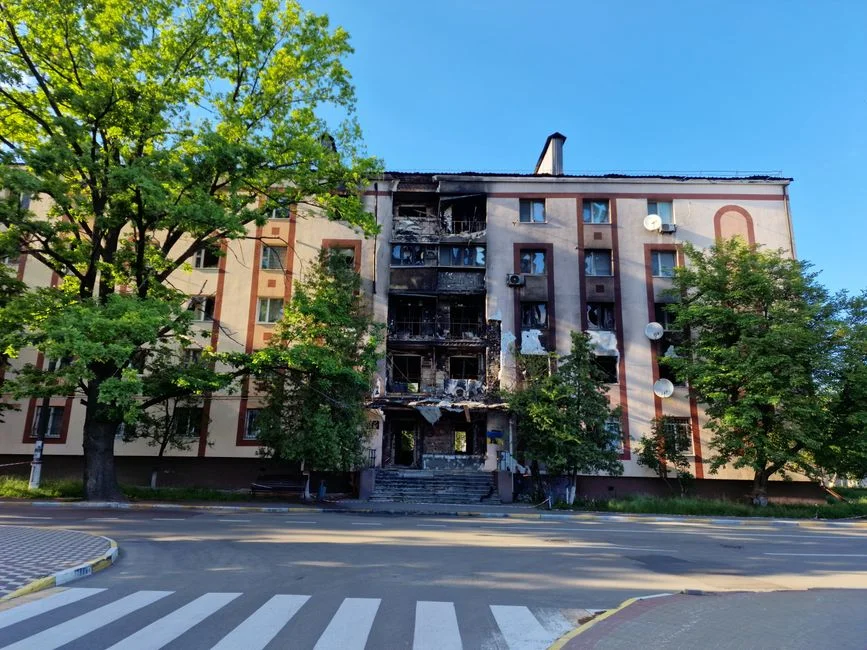
One person died in the collapse, emergency officials confirmed. The victim's name has not been released pending notification of family. At least three survivors were taken to hospital with injuries, local media reported. The cause of the failure remains under investigation, with officials pointing to possible structural weaknesses or unauthorized modifications to the building.
Port Harcourt's fire service deployed three trucks and specialized rescue teams to the site on Rumuola Road. Neighbours described hearing a loud crack before the building collapsed around midday. "The dust cloud was enormous," said Emmanuel Ofili, a nearby shop owner. "People were screaming for their relatives inside."
Construction Sector Under the Microscope


The disaster compounds existing concerns about building quality in Nigeria's commercial hubs. Rivers State authorities have previously faced criticism for inconsistent enforcement of construction permits and inspection regimes. Developers sometimes bypass approved blueprints to add extra floors or reduce material costs, industry insiders say.
For businesses operating in the region, the collapse raises immediate questions about their own premises and supplier reliability. Companies with offices or warehouses in older Port Harcourt buildings may face pressure from insurers to commission structural surveys. Premium rates for commercial property cover in the city could rise, squeezing margins for smaller enterprises.
Impact on Commercial Real Estate
Rivers State serves as the operational base for Shell, ExxonMobil, Chevron, and numerous local petroleum service companies. Many maintain offices and guesthouses in multi-storey buildings across Port Harcourt. A pattern of structural failures could accelerate moves to newer developments or force multinationals to reassess their Nigerian footprint.
Commercial landlords in the city now confront a difficult period. Tenants may demand evidence of structural integrity before renewing leases. The incident follows a series of building collapses in Nigerian cities that have damaged confidence in older mixed-use developments.
Regulatory Response Looms
Rivers State Governor Siminalayi Fubara has ordered an immediate investigation, his office announced. State officials pledged to identify and prosecute anyone responsible for construction violations. The ministry responsible for physical planning said it would conduct emergency inspections of buildings exceeding four storeys across Port Harcourt.
Those measures carry economic implications. Stricter enforcement could delay new construction projects as developers wait for extended approval processes. Permits that currently take three months might stretch to six or longer. Construction firms without pristine safety records could lose access to government contracts or financing from banks cautious about reputational risk.
The Building Materials Producers Association, a national trade body, called for greater use of certified engineers and quality-controlled cement in a statement released after the collapse. Industry sources suggest that substandard building materials remain widely available in Nigerian markets despite previous crackdowns.
Oil Industry Stakes
The timing of the collapse matters for the broader economy. Nigeria relies on Rivers State for most of its crude oil output, which accounts for roughly 90 percent of foreign exchange earnings. Any disruption to the business environment in the Niger Delta carries implications for national revenue and currency stability.
International oil companies operating in the region typically house expatriate staff and senior management in high-rise apartment blocks and hotels. While the collapsed building does not appear connected to any major energy firm, the incident highlights infrastructure risks that influence corporate decisions about Nigerian operations.
Analysts note that repeated safety failures in the built environment can affect how global rating agencies view Nigeria's investment climate. Multinational boards reviewing African expansion plans sometimes cite regulatory quality as a factor in their deliberations.
What Comes Next
Rescue teams continued searching the debris on Wednesday. State officials said they expected to complete their sweep within 48 hours. Families of the missing have gathered at a nearby school, where Red Cross volunteers provided water and information.
The investigation launched by the state government will determine whether the building had a valid occupancy certificate and whether any modifications were made after construction. If violations are confirmed, prosecutors have indicated they will pursue criminal charges against owners and contractors. The ministry of physical planning promised to publish its emergency inspection findings within two weeks.
See Also
- Barcelona's Talento Initiative Boosts Water Sustainability — What It Means for Investors
- Sanlam Cuts Cape Town Marathon Start Time — What It Means for Investors
While the collapsed building does not appear connected to any major energy firm, the incident highlights infrastructure risks that influence corporate decisions about Nigerian operations. The ministry responsible for physical planning said it would conduct emergency inspections of buildings exceeding four storeys across Port Harcourt.