Sanlam has confirmed a strategic adjustment to the 2026 Cape Town Marathon, moving the official start time to capture optimal global broadcasting windows and enhance the economic return on investment for stakeholders. This operational shift is not merely a logistical tweak but a calculated move to maximize revenue streams from international media rights and local tourism spend. The decision directly impacts businesses in the Western Cape and offers a clear signal to investors about the maturing commercial model of South Africa’s premier sporting event.
Commercial Strategy Behind the Schedule Shift
The primary driver for changing the marathon start time is the alignment with prime-time television slots in key revenue-generating markets, particularly in Europe and the Middle East. Broadcasting rights constitute a significant portion of the event's top-line revenue, and every minute of daylight or darkness affects viewer engagement metrics. Sanlam’s management team recognized that the previous late-morning start often left the final kilometers of the race in the shadow of fading light or overly bright midday sun, reducing visual appeal for broadcasters.

This adjustment reflects a broader trend in sports economics where timing is treated as a currency. By shifting the start earlier, organizers aim to ensure that the elite men’s and women’s races conclude during peak viewing hours in London and Dubai. This increases the likelihood of higher advertising rates and better sponsor visibility. The financial implications are direct: higher engagement leads to increased valuation of media rights, which in turn boosts the equity value of the event’s holding company.
Investors watching the South African sports sector will note this as a move toward operational efficiency. It demonstrates that event organizers are moving beyond simple ticket sales and are leveraging data analytics to optimize every aspect of the product. This level of granularity in planning suggests that the Cape Town Marathon is maturing into a more predictable and lucrative asset class.
Impact on Local Tourism and Hospitality Revenue
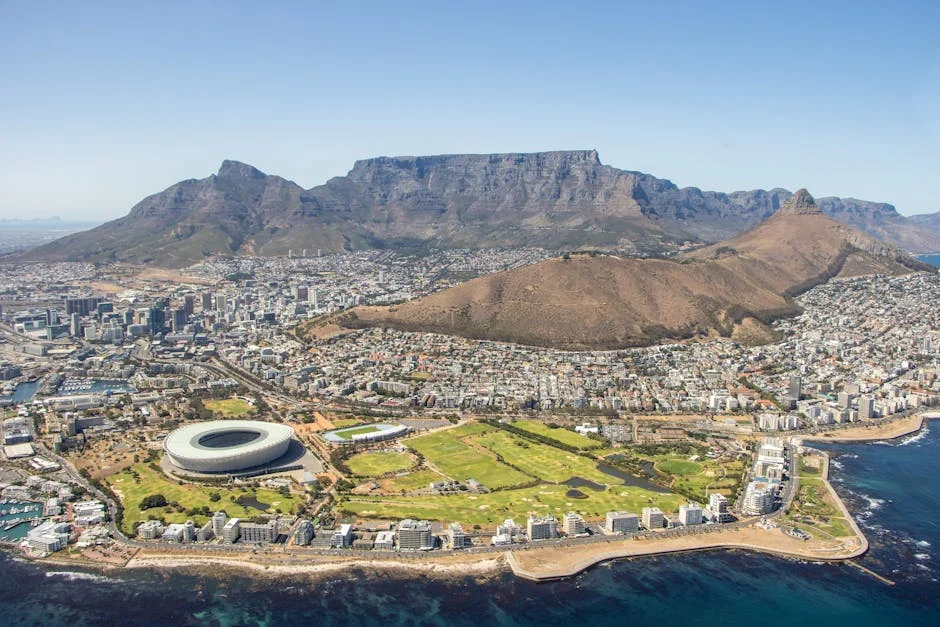

The change in start time has immediate ripple effects on the local hospitality sector in Cape Town. Hotels in the City Bowl and Sea Point areas have historically relied on the marathon weekend to fill rooms with a mix of elite athletes and amateur runners. An earlier start time may influence when guests check in and out, potentially extending the average length of stay as runners arrive a day earlier to ensure freshness.
For hoteliers, this means a potential increase in room-night revenue per guest. A typical marathon attendee spends an average of 2.5 days in the city, contributing significantly to the local GDP. If the new schedule encourages earlier arrivals, the weekend could see a slight uptick in occupancy rates, which are already strong due to Cape Town’s status as a top global destination. This is a tangible economic benefit for the Western Cape’s tourism board.
Restaurants and retail outlets near the start and finish lines will also feel the shift. An earlier finish time means that crowds disperse sooner, potentially spreading out the dining rush. This could help alleviate congestion in the City Bowl, allowing for a more distributed spending pattern across different neighborhoods. Local businesses should adjust their staffing and inventory levels accordingly to capture this shifted demand curve.
Transportation and Logistics Costs
Public transport operators, including MyCiTi bus services and minibus taxis, will need to adjust their schedules to accommodate the new timeline. This requires additional coordination and potentially higher operational costs, which may be passed on to commuters or subsidized by the event organizers. The efficiency of logistics is a key cost driver for the marathon, and any disruption could eat into profit margins.
For private transport companies, such as Uber and Bolt, the earlier finish time means that peak demand for rides will occur earlier in the morning. This allows drivers to maximize their earnings during the morning rush hour, potentially leading to higher turnover rates for fleet operators. The economic impact on the gig economy in Cape Town is therefore positive, provided that drivers are aware of the schedule change.
Investment Perspectives for UK and International Stakeholders
For UK-based investors with exposure to the South African market, this development offers insight into the operational rigor of local sports assets. Sanlam, as one of South Africa’s largest financial services groups, brings a level of financial discipline to the marathon that appeals to international portfolio managers. The decision to adjust the start time based on broadcast data shows a data-driven approach to asset management.
Investors should monitor how this change affects the event’s bottom line in the 2026 financial year. If the new schedule leads to higher media rights fees and increased sponsorship revenue, it could set a precedent for other major sporting events in the region. This could make the Cape Town Marathon a more attractive investment vehicle for those looking for exposure to the African consumer market.
The UK market is particularly relevant because of the strong travel and tourism linkages between the two countries. Many UK-based travel agencies package the Cape Town Marathon as a key destination event. Any improvement in the participant experience, such as better weather conditions or more convenient timing for European flights, could increase sales volumes for these agencies. This creates a downstream economic benefit for the UK’s travel sector.
Broader Economic Implications for South Africa
The Cape Town Marathon is a significant contributor to the local economy, generating millions of Rands in direct and indirect spending. This includes everything from hotel stays and restaurant bills to souvenir purchases and transport costs. The success of the event is often seen as a barometer for the broader health of the South African tourism industry.
A well-executed start time change can enhance the overall reputation of the event, attracting more international runners and sponsors. This, in turn, brings in foreign currency, which is vital for stabilizing the South African Rand. The influx of foreign exchange from marathon-related spending helps to offset the country’s current account deficit, providing a small but steady boost to the national economy.
Furthermore, the event serves as a marketing tool for the country, showcasing Cape Town’s infrastructure and hospitality capabilities to a global audience. This soft power aspect is difficult to quantify but has long-term economic benefits. It helps to position South Africa as a reliable destination for large-scale international events, encouraging other conferences and sporting competitions to follow suit.
Business Implications for Sponsors and Partners
Corporate sponsors of the Cape Town Marathon are investing millions in the event to increase brand visibility. The change in start time affects the value proposition for these sponsors. For example, a morning start might mean that the race takes place during the breakfast or morning news slot, which could be more valuable for certain brands targeting early risers or business professionals.
Sponsors will need to reassess their marketing strategies to align with the new timeline. This might involve shifting their advertising spend to earlier morning broadcasts or adjusting their on-ground activation plans. The flexibility of the sponsors to adapt to this change will determine the effectiveness of their investment. Those who fail to adjust may see a lower return on their sponsorship dollars.
For local businesses that partner with the marathon, such as apparel retailers and sports equipment shops, the earlier start time could lead to a surge in last-minute purchases. This creates a short-term revenue spike that can help to smooth out sales cycles. Retailers should prepare for this by ensuring adequate stock levels and extending their opening hours on the day of the race.
Future Outlook and Market Watch
The 2026 Cape Town Marathon will serve as a test case for this new scheduling strategy. Investors and business leaders should closely monitor the post-event financial reports to see if the expected benefits materialize. Key metrics to watch include media rights revenue, hotel occupancy rates, and sponsor satisfaction scores.
If the initial results are positive, other major marathons in Africa may follow suit, leading to a broader shift in the timing of sporting events across the continent. This could create new opportunities for investors who can anticipate these trends and adjust their portfolios accordingly. The success of this initiative could also attract more international investment into the South African sports sector.
Stakeholders should also keep an eye on how the local government in Cape Town responds to the logistical changes. Any improvements in infrastructure or public transport funding could further enhance the economic impact of the event. The next major update from Sanlam is expected in the first quarter of 2026, providing a clearer picture of the financial implications of this strategic shift.
See Also
- South Africans Turn Unused Clothes into Income with Uhuru's New AI Marketplace
- Durban's Umbilo District Battles Rising Crime as Abandoned Facilities Draw Criminals
If the new schedule leads to higher media rights fees and increased sponsorship revenue, it could set a precedent for other major sporting events in the region. Many UK-based travel agencies package the Cape Town Marathon as a key destination event.
What is the latest news about sanlam cuts cape town marathon start time what it means for investors?
Why does this matter for science?
What are the key facts about sanlam cuts cape town marathon start time what it means for investors?