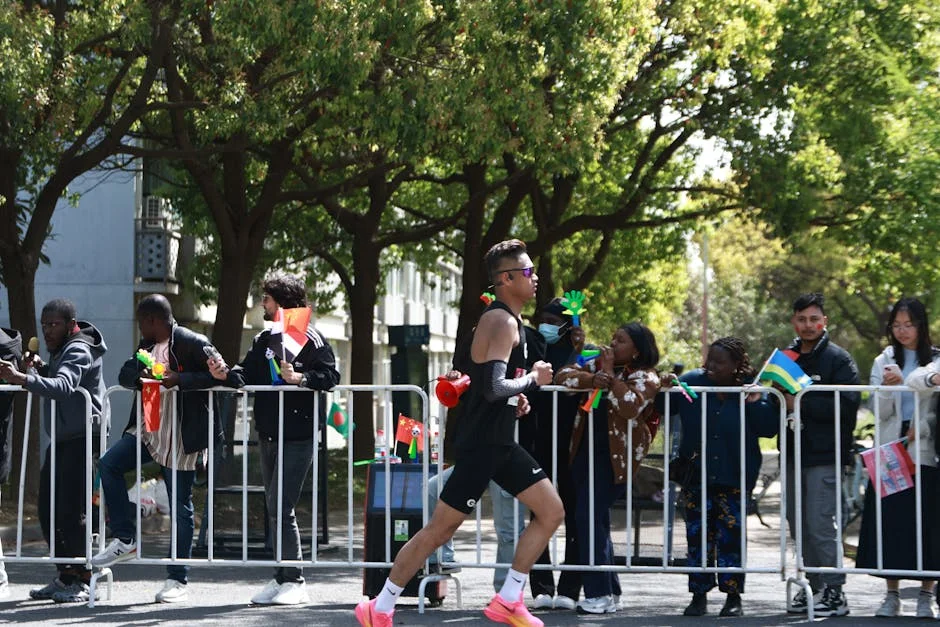
Carly Fields crossed the finish line at the Comrades Marathon on Saturday, completing her eighth ultra-marathon in what regular participants describe as one of the most gruelling endurance events on the global racing calendar. The 89.9-kilometre race, which snakes between Durban and Pietermaritzburg in KwaZulu-Natal, draws thousands of runners annually and generates tens of millions of rand for the regional economy.
The Race That Powers a Province
The Comrades Marathon has long operated as an economic engine for KwaZulu-Natal. Local businesses, from hotels in Pietermaritzburg to restaurants along the route, rely heavily on the influx of runners and spectators who descend on the region each June. The race weekend consistently drives occupancy rates above 90 percent in nearby towns, according to data from the KwaZulu-Natal Tourism Board. For a province where unemployment remains stubbornly high, the annual event represents a rare sustained period of commercial activity.

Fields, who declined to specify her exact finishing time, joins an elite cohort of runners who have earned the "Multiple Gold Medal" status by completing the race at least ten times. The Comrades Marathon Association confirmed that the 2024 event saw registrations increase by 12 percent compared with the previous year, suggesting that despite economic headwinds, endurance sports continue to attract participants willing to invest in entry fees, travel, and specialised training gear.
Who Foots the Bill for 90 Kilometres


Participating in an ultra-marathon requires significant financial outlay. Entry fees for the Comrades Marathon are set at approximately 850 rand for early registrants, with costs rising for late entries. Beyond the race itself, runners typically spend on specialised footwear, hydration systems, compression clothing, and coaching programmes. The sports retail sector has taken notice. Major sporting goods chains operating in South Africa report that ultra-marathon season drives measurable spikes in sales of endurance equipment.
Corporate sponsorship adds another layer to the economic ecosystem. Companies ranging from insurance providers to energy drink manufacturers sponsor individual runners, teams, and the event itself. These deals inject cash into the sport while giving sponsors access to a demographic that tends to skew toward affluent, health-conscious consumers with disposable income.
Training Costs and the Wellness Economy
The rise of ultra-marathon participation reflects broader trends in the South African wellness economy. Nutritionists, physiotherapists, sports psychologists, and coaches all benefit from runners seeking every possible advantage. Fields herself has spoken publicly about the importance of structured training plans and recovery protocols. Small businesses offering these services have proliferated in major metropolitan areas, creating employment even as traditional sectors contract.
Medical professionals note that the injury rates associated with ultra-marathon training generate additional economic activity. Orthopaedic surgeons, biokineticists, and imaging centres report increased caseloads in the months leading up to major races. While this represents a cost to the healthcare system, it also sustains specialist practitioners who might otherwise struggle to fill appointment books.
What the Numbers Say About Sports Tourism
International runners make up a growing share of Comrades Marathon participants. Many travel from the United Kingdom, Australia, and the United States specifically to compete. These visitors exchange foreign currency directly into the South African economy, spending on accommodation, food, transport, and leisure activities beyond the race itself. The Department of Tourism has previously estimated that major sporting events contribute substantially to the country's annual tourism revenue figures.
The Comrades Marathon Association invests heavily in promoting the event overseas. Marketing campaigns target running clubs and online communities where enthusiasts discuss race strategies and bucket-list events. Each international runner who completes the Comrades Marathon effectively serves as an ambassador, sharing experiences that influence future registration patterns.
Durban's Bid for Sporting Relevance
The Comrades Marathon operates within a broader context of Durban's ambitions to position itself as a destination for major sporting events. The city recently invested in infrastructure upgrades along the route, including improved road surfaces and expanded spectator viewing areas. These improvements serve dual purposes: they enhance the race experience while simultaneously benefiting residents who use the same roads daily.
Local government officials have cited the Comrades Marathon as evidence that Durban can host large-scale events successfully. This credibility carries weight when the city competes for future opportunities, whether athletics championships, cycling challenges, or multi-sport festivals. The economic ripple effects extend well beyond the immediate race weekend.
The Productivity Question
Critics sometimes argue that the time devoted to ultra-marathon training represents an economic cost. Runners who spend fifteen to twenty hours per week preparing for races dedicate hours that might otherwise go toward paid work or entrepreneurial activities. Companies that support employee athletic pursuits sometimes question whether the arrangement delivers proportional returns.
Proponents counter that endurance athletes often demonstrate superior time management, mental resilience, and stress-coping mechanisms. Some corporate wellness programmes explicitly encourage participation in events like the Comrades Marathon, recognising that healthy employees generate lower healthcare costs and demonstrate greater engagement with their work. Fields herself has noted in previous interviews that her running routine improved her focus and energy levels during working hours.
Looking Ahead to Next June
Registration for the 2025 Comrades Marathon opens in September, and race officials expect strong demand given this year's increased participation figures. Fields has not confirmed whether she will attempt a ninth finish, but her consistency has earned her respect within the running community. For the businesses and workers who depend on the event, her continued involvement matters less than the simple fact that the race itself continues to grow.
Investors with exposure to South African retail, hospitality, and sports sectors should watch registration trends carefully. Each percentage point increase in participation translates into measurable revenue for suppliers, service providers, and local municipalities. The Comrades Marathon may be a test of human endurance, but it also serves as a reliable indicator of consumer confidence in the sporting goods and wellness sectors.
See Also
- Teacher Assaults in Hammarsdale Expose Education Sector Crisis — Here's the Cost
- Portugal Nurses Strike Triggers Economic Ripples Across Health Sector
The Department of Tourism has previously estimated that major sporting events contribute substantially to the country's annual tourism revenue figures.The Comrades Marathon Association invests heavily in promoting the event overseas. Each international runner who completes the Comrades Marathon effectively serves as an ambassador, sharing experiences that influence future registration patterns.Durban's Bid for Sporting RelevanceThe Comrades Marathon operates within a broader context of Durban's ambitions to position itself as a destination for major sporting events.