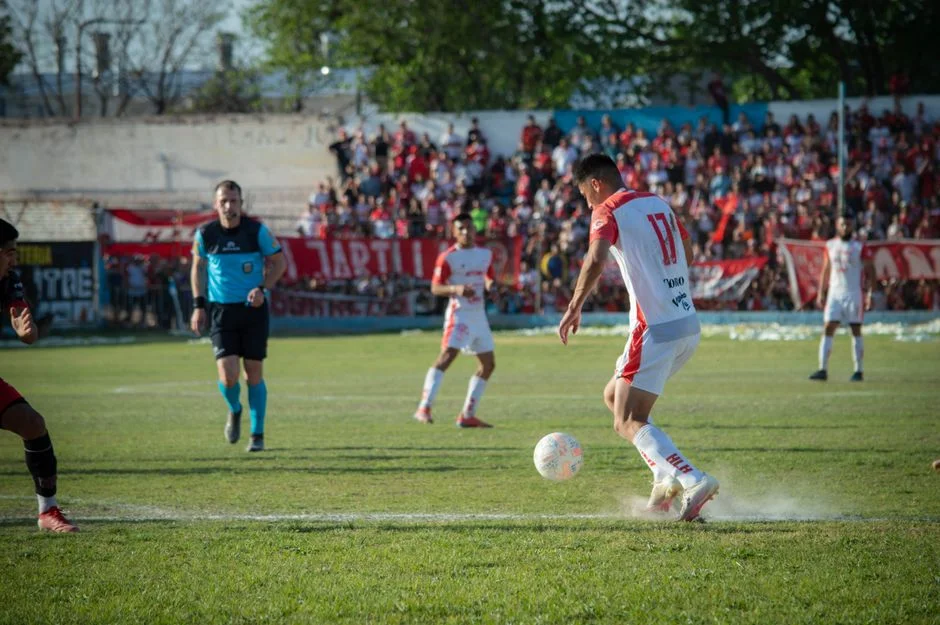
Uruguay's national football team faced immediate logistical chaos after their elimination from the World Cup, with authorities cancelling the planned charter flight home and forcing players and staff onto separate commercial services, local media reported. The decision upended travel arrangements that had been scheduled for the squad's return to Montevideo following the knockout defeat.
Charter Cancellation Triggers Travel Scramble
The Uruguayan Football Association had arranged a dedicated charter aircraft to transport the squad back from the tournament host city following the elimination match. Within hours of the final whistle, that arrangement collapsed entirely. Officials confirmed the aircraft booking was terminated, leaving approximately 50 players, coaching staff, and support personnel to seek alternative passage home. The association issued a brief statement acknowledging the change but provided no details about compensation or liability for the cancelled booking.
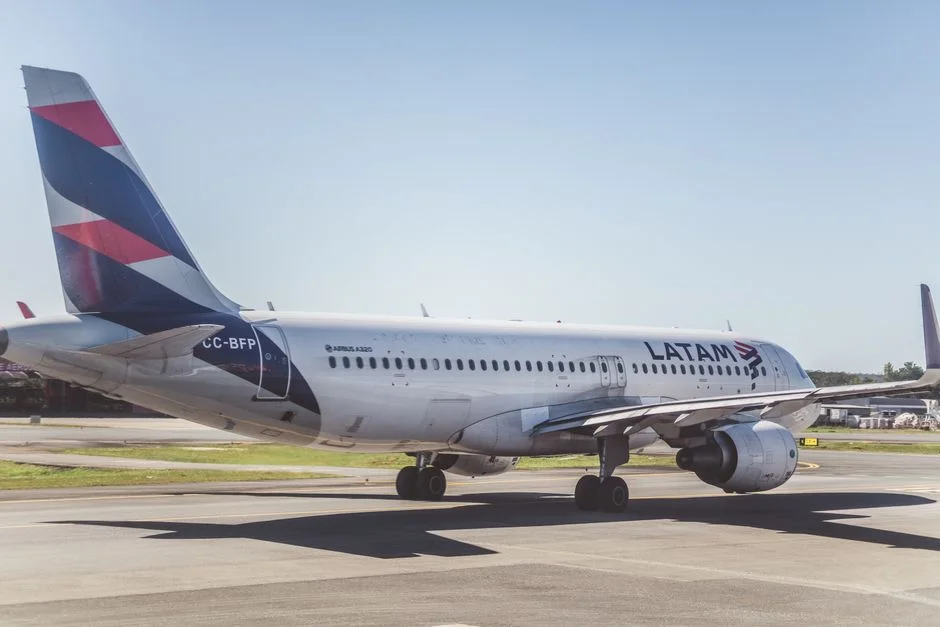
Instead of a unified team return, members of the delegation now face booking individual commercial flights through multiple airlines and layovers. This fragmented approach typically costs significantly more per passenger than group charter arrangements and introduces complications around baggage, security protocols, and scheduling coordination for officials travelling with equipment and sensitive materials.
Marcelo Bielsa Faces Logistical Headache


Manager Marcelo Bielsa, who travelled with the delegation, must now navigate the administrative burden of coordinating separate travel plans across different airlines and departure times. The former Leeds United and Athletic Bilbao coach had been seeking his first major tournament victory with Uruguay since taking charge in 2023. The early exit represents a significant setback for the programme's development under his leadership, and the post-match travel disruption adds unnecessary complexity during an already challenging period for the squad.
The Argentine-born manager has built a reputation for meticulous planning and attention to detail in his tactical approach. The breakdown in team logistics represents an embarrassing contrast to his professional standards and may prompt questions about the Football Association's contingency planning capabilities.
Commercial Airlines Stand to Gain
Major commercial carriers operating routes between the tournament host nation and Uruguay are likely beneficiaries of the charter cancellation. Airlines serving the Montevideo corridor will see unexpected demand spikes as the squad seeks individual bookings. Industry analysts suggest this type of last-minute group booking typically drives up average ticket prices on affected routes by 15 to 25 percent, depending on remaining seat availability and proximity to the match.
For regular passengers booking flights to Montevideo during the same period, the sudden spike in demand from the football delegation could reduce available inventory on preferred services. Aviation industry sources note that when large delegations splinter into individual bookings, they tend to concentrate on premium cabin seats due to time constraints, potentially displacing business travellers from those fare classes.
Economic Fallout Beyond the Pitch
The premature exit carries broader economic implications for Uruguay's football ecosystem. Tournament participation generates substantial revenue through FIFA prize money, broadcast rights, and commercial partnerships tied to team performance milestones. Early elimination means the Football Association receives only the initial participation fee, with performance bonuses remaining unclaimed. Local hospitality businesses in host cities that had anticipated extended stays from the Uruguayan contingent must now adjust forecasts downward.
Sports marketing executives note that Uruguay's commercial partnerships typically include clauses tied to knockout stage advancement. Early elimination triggers specific financial consequences under those contractual terms, though the exact amounts remain confidential between the parties. The fragmented return travel arrangement will likely delay the settlement of those commercial matters as logistics take priority over administrative follow-up.
What Comes Next for the Squad
Uruguayan Football Association officials are working to confirm individual flight bookings for delegation members over the coming 48 hours. The priority reportedly involves ensuring key figures including Bielsa and senior players reach Montevideo before scheduled commitments with local media and sponsors. Support staff handling equipment and medical supplies face additional complications coordinating baggage logistics across multiple carriers.
Fans gathered at Montevideo's airport terminals have been advised that the unified welcome reception originally planned around the charter arrival will not proceed. The Football Association has not announced alternative arrangements for supporters who had planned to greet the returning squad. Uruguay must now focus on upcoming World Cup qualifiers, with the draw for the next phase expected within the next three months.
See Also
- Rand Water Confirms Extended Maintenance Shutdown — Supply Delays Expected
- UK Firms Sound Alarm Over Gen Z Tech Hiring Crisis
What is the latest news about uruguay knocked out charter flight scrapped as squad books commercial returns?
Why does this matter for technology?
What are the key facts about uruguay knocked out charter flight scrapped as squad books commercial returns?