A coordinated boycott by lawyers in Ayodhya has left eight suspects in a Ram Temple embezzlement case without legal representation, triggering concerns about the integrity of one of India's most watched financial disputes. The refusal, which lawyers describe as a collective moral stance, has paralysed proceedings at the local court and raised questions about how such controversies affect investor confidence in large-scale religious infrastructure projects. The case centres on allegations that funds meant for India's largest temple construction were diverted through a network of shell companies over a period of eighteen months.
The Legal Standoff
The Ayodhya bar association confirmed that its members voted overwhelmingly to decline any representation for the accused following the first court appearance in April. A spokesperson for the association stated that accepting such cases would be incompatible with the legal profession's duty to uphold public trust. Court records show the accused include three former contractors, two accountants, and three officials who previously held positions at temple trust committees. Defence lawyers not affiliated with the association have filed applications to intervene, arguing that the boycott violates the accused's constitutional right to fair trial.
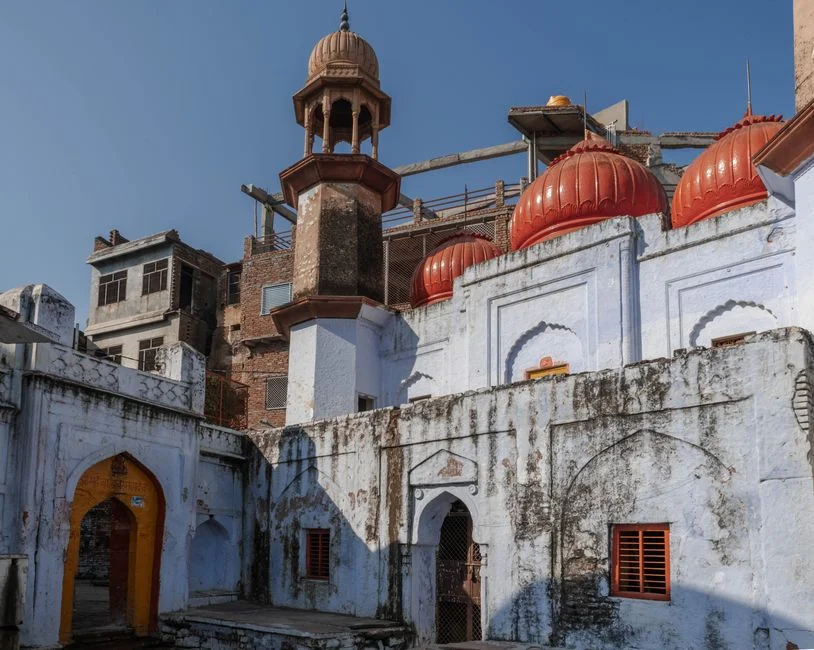
Legal observers in Lucknow, the nearest major city, say the situation is without modern precedent. The trial court has postponed hearings four times since May while judges await clarity on whether the accused can proceed without formal representation. The Central Bureau of Investigation, which filed the original complaint, submitted a 340-page chargesheet in March that detailed alleged transfers totalling 187 million rupees to accounts in Gujarat and Rajasthan.
Donor Confidence Under Scrutiny


The Ram Temple trust, which oversees the construction project valued at an estimated 1,800 crore rupees, has maintained that donated funds remain secure and fully accounted for. Communications from the trust to contributors since the allegations surfaced have emphasised transparency measures, including independent audits conducted by two international accounting firms. Yet some corporate donors who contributed during the initial fundraising campaign have requested additional disclosure, according to three people familiar with the matter who asked not to be identified.
The controversy arrives at a sensitive time for India's religious infrastructure sector, which has attracted significant private investment in recent years. Construction firms holding contracts with the temple project reported no immediate disruption to timelines, though industry analysts note that prolonged legal uncertainty typically increases insurance and compliance costs. The temple complex, designed to accommodate 100,000 visitors daily at full capacity, is scheduled for a phased opening beginning in late 2025.
Impact on Construction Contracts
Companies supplying materials for the main structure have observed that project financiers have begun requesting more frequent progress certifications. Two suppliers in Mathura confirmed that their banking relationships now include additional clauses requiring proof of fund segregation for temple-related deliveries. While none reported losing contracts, the administrative burden has increased operational costs by an estimated 3 to 5 percent, according to industry estimates.
Regulatory and Economic Repercussions
The Enforcement Directorate separately announced expanded scrutiny of entities connected to the accused, indicating that financial regulators view the matter as potentially involving money laundering mechanisms rather than simple misappropriation. This regulatory posture matters for businesses because it signals heightened compliance expectations across similar large-scale projects funded by public donations. Finance ministry officials in New Delhi have declined to comment on whether legislative amendments are under consideration.
Market reaction to the controversy has been muted in the construction and materials sectors, partly because the temple project represents a fraction of total industry output. However, analysts tracking India's infrastructure index note that cases involving alleged misuse of public or quasi-public funds tend to delay similar ventures by six to twelve months as due diligence requirements increase. The immediate economic consequence appears to be reputational rather than material, though that calculus could shift if additional allegations emerge.
What Watchers Should Track Next
The Supreme Court is expected to hear an emergency petition from the defence counsel next month regarding the right to legal representation. That ruling could establish whether courts can compel lawyers to accept cases in situations where collective boycotts block access to justice. A decision in favour of the accused would likely restart proceedings and allow the trial to proceed, while a ruling upholding the boycott would create a constitutional crisis requiring legislative intervention.
For businesses and investors with exposure to religious infrastructure projects, the key indicators to monitor are donor retention rates at the Ram Temple trust and any changes in banking sector lending terms for similar ventures. The trust has scheduled a public financial review for December, which will be the next concrete opportunity to assess whether the controversy has materially affected fundraising capacity. Until then, the market impact remains limited but the precedent being set in Ayodhya courts will influence how similar disputes are handled nationwide.
See Also
- Vedanta Unit Files for New York IPO in $2 Billion Zambian Copper Listing
- Rand Water Halts Supply — South African Businesses Brace for R50 Billion Hit