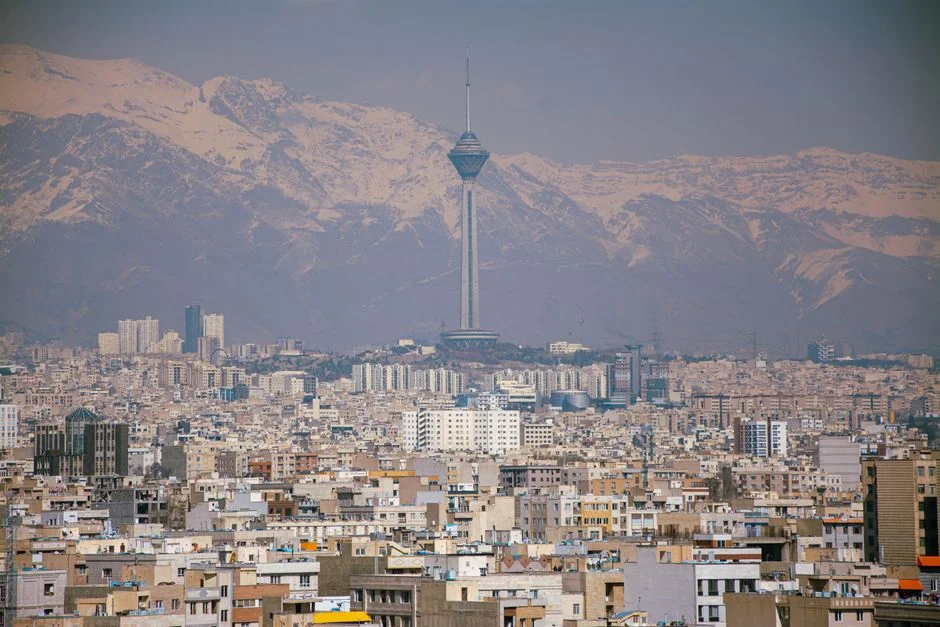
South African businesses are bracing for potential supply chain disruptions as Rand Water announces critical maintenance works across key infrastructure nodes. The utility provider has issued direct instructions to residential users to remain calm, but the economic implications for commercial sectors are far less reassuring. Markets are closely watching how these planned outages will impact manufacturing output and agricultural yields in the Gauteng province.
Commercial Impact of Planned Outages
The announcement has sent ripples through the Johannesburg stock exchange, where industrial stocks showed early signs of volatility. Rand Water developments explained by local analysts suggest that the maintenance is not merely a routine check but a strategic intervention to prevent catastrophic failure. This distinction matters deeply for investors who rely on steady utility supply for consistent quarterly earnings reports.
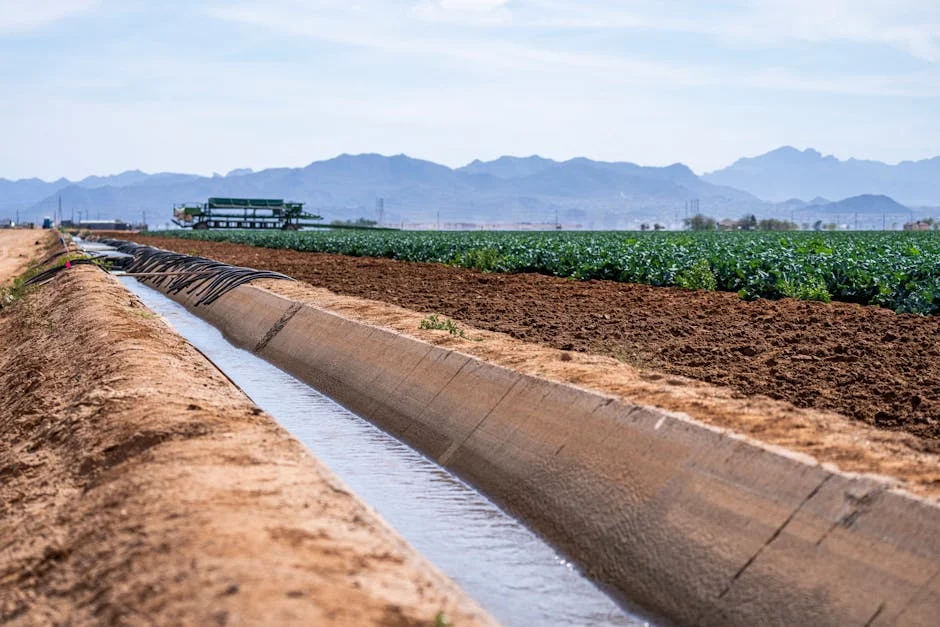
The utility provider serves a vast network that includes major manufacturing hubs and agricultural zones. Any interruption in water flow directly affects production lines in the automotive and mining sectors. Companies must now factor in potential downtime costs, which can quickly erode profit margins during the crucial June trading period.
Businesses in the region are scrambling to secure backup water solutions. Tankers, boreholes, and temporary storage units are seeing increased demand as firms try to mitigate the risk. This surge in demand drives up operational expenses for small and medium-sized enterprises that lack the cash reserves of larger conglomerates.
Retail and Hospitality Sectors Face Immediate Pressure
Hotels and restaurants in Pretoria and Johannesburg are preparing for reduced service capacity. Water scarcity forces these businesses to limit offerings, potentially reducing average spend per customer. The hospitality sector, already recovering from post-pandemic fluctuations, views these maintenance windows as a test of operational resilience.
Retail chains are also adjusting inventory strategies to account for potential logistical delays. Warehousing operations require consistent water supply for cleaning and temperature control systems. A disruption here can lead to spoilage of perishable goods, leading to direct financial losses that are often passed on to consumers through higher prices.
Investors should monitor the quarterly reports of major retail players for signs of margin compression. The ability to adapt to infrastructure challenges will become a key differentiator in market performance. Companies that proactively manage water risks will likely outperform their peers in the coming months.
Agricultural Sector Vulnerability
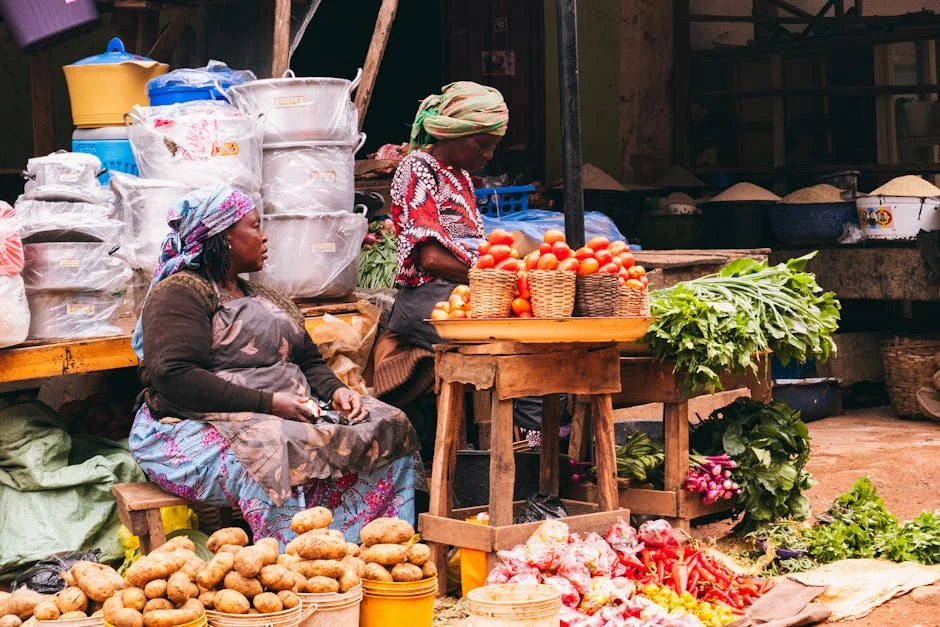
The agricultural industry is perhaps the most vulnerable to Rand Water news today. Farmers in the Vaal Triangle rely on a steady flow of water for irrigation during the winter cropping season. A reduction in supply can lead to lower yields, which directly impacts export revenues from key commodities like maize and vegetables.
June analysis the UK and other international markets shows that global food prices are sensitive to supply shocks in South Africa. As a major exporter, any disruption in South African agriculture can influence global commodity prices. This creates a ripple effect that extends beyond local borders, affecting importers in Europe and Asia.
Farmers are already implementing water-saving measures to conserve supplies during the maintenance period. Drip irrigation systems and soil moisture sensors are being deployed to maximize efficiency. These technological adaptations require upfront capital investment, which can strain the financial health of smaller farming operations.
The government is under pressure to provide subsidies or tax relief to help farmers cope with the increased costs. Without intervention, some smaller farms may face liquidity crises that could lead to consolidation in the sector. This consolidation would reduce competition and potentially increase prices for consumers in the long run.
Investor Perspective and Market Reactions
Wall Street and London markets are taking note of the infrastructure challenges in South Africa. How Rand Water affects the UK and other Western economies is a question that concerns multinational corporations with significant exposure to the region. Companies like SABMiller and Anglo American have substantial operations that depend on reliable water supply.
Share prices of these multinationals may experience short-term volatility as investors reassess risk profiles. Analysts are advising caution, suggesting that investors should look for companies with diversified water sources. This diversification strategy can provide a buffer against localized infrastructure failures.
The rand currency may also come under pressure if the maintenance works lead to prolonged economic slowdown. A weaker rand makes imports more expensive, contributing to inflationary pressures. The South African Reserve Bank will need to monitor these developments closely to determine the appropriate monetary policy response.
June news today highlights the interconnectedness of global supply chains. A local infrastructure issue in South Africa can have far-reaching effects on global markets. Investors who understand these linkages can make more informed decisions about their portfolio allocations.
Government Response and Policy Implications
The South African government has pledged to support businesses affected by the water outages. Ministerial statements have emphasized the need for coordinated action between the utility provider and the private sector. This collaboration is essential to minimize the economic impact of the maintenance works.
Policy makers are also reviewing long-term infrastructure investment plans to prevent future disruptions. The current maintenance works are seen as a stopgap measure, but a more comprehensive strategy is needed to ensure water security. This strategy includes upgrading aging pipelines and investing in renewable water sources.
Critics argue that the government has been slow to act on infrastructure needs, leading to recurring crises. The recent maintenance announcement has reignited debates about public spending priorities. Voters are increasingly concerned about the quality of public services and their impact on economic growth.
The political fallout from these infrastructure challenges could influence upcoming local elections. Parties that offer clear plans for infrastructure development may gain an advantage in the polls. This political dynamic adds another layer of complexity to the economic situation.
Long-Term Economic Consequences
The long-term economic consequences of Rand Water's maintenance works depend on the duration and severity of the outages. Prolonged disruptions could lead to a decline in foreign direct investment if investors perceive the region as having high infrastructure risk. This decline in investment could slow down economic growth in the coming years.
However, the maintenance works also present an opportunity for modernization and efficiency gains. If implemented effectively, the upgrades could improve the reliability of the water supply system. This improvement would enhance the competitiveness of South African businesses in the global market.
The key is to balance short-term disruptions with long-term benefits. Stakeholders need to communicate clearly about the progress of the maintenance works and the expected outcomes. Transparency is essential to maintain confidence among investors and consumers.
The economic resilience of the region will be tested by this event. Businesses that adapt quickly and effectively will emerge stronger. This event serves as a case study in how infrastructure management impacts economic performance.
What to Watch Next
Investors and businesses should monitor the official updates from Rand Water regarding the completion timeline. Any delays in the maintenance works could extend the period of economic uncertainty. The next quarterly reports from major industrial companies will provide valuable data on the actual financial impact.
The South African Reserve Bank's interest rate decision in the coming weeks will also be influenced by these developments. If inflation rises due to supply chain disruptions, the central bank may opt for a tighter monetary policy. This decision will have wide-ranging effects on borrowing costs for businesses and consumers.
International investors should keep an eye on the rand-dollar exchange rate. Currency fluctuations can significantly impact the returns on investments in South Africa. A stable currency environment is crucial for attracting and retaining foreign capital.
Regulatory bodies may introduce new water pricing models to reflect the true cost of supply. These pricing changes could affect the profitability of water-intensive industries. Businesses need to prepare for potential cost increases by improving water efficiency.
The situation in South Africa serves as a reminder of the importance of infrastructure investment. As global economies become more interconnected, local disruptions can have global repercussions. Staying informed about these developments is essential for making strategic economic decisions.
See Also
- Gavin Hunt Refuses to Abandon Hope as Stellenbosch Faces Tough Season Finale
- Kwara Kidnap Crisis Triggers Business Exodus As Investors Flee