Armed bandits in Nigeria’s Kwara State have intensified their raids on rural communities, creating a security vacuum that is rapidly translating into economic hardship for local businesses and regional investors. While headlines focus on the dramatic escape of several high-profile kidnapping victims, the underlying financial damage to the state’s commercial sector is mounting as logistics costs surge and consumer confidence wanes.
This development is not merely a social crisis; it is a direct threat to the operational stability of small and medium-sized enterprises (SMEs) that form the backbone of the Nigerian economy. Investors watching the West African market are now recalibrating their risk assessments, with many questioning whether the premium on security in Kwara is becoming too high to sustain profitable operations.
Security Costs Eroding Profit Margins

The immediate economic consequence of the persistent bandit attacks is the skyrocketing cost of security for businesses operating in and around Kwara State. Companies are no longer relying solely on state police or federal troops; they are hiring private security firms, investing in surveillance technology, and even forming community watch groups. These are direct line-item expenses that eat into profit margins.
For a typical retail outlet or agricultural processor in Ilorin, the state capital, security costs have increased by an estimated 15 to 20 percent over the last six months. This includes payments for armed escorts, generator fuel to power night lights, and insurance premiums that fluctuate with every new ransom demand. Small business owners tell reporters that these costs are passed on to consumers, driving up inflation in local markets.
Impact On Agricultural Supply Chains
The agricultural sector, a key driver of Kwara’s GDP, faces even steeper challenges. Farmers in the northern local government areas, such as Oyun and Baruten, are hesitant to bring their produce to market because of the threat of ambush on major highways. This hesitation creates a bottleneck in the supply chain, leading to shortages in urban centers and higher prices for staple foods like maize, yams, and beans.
Truck drivers demand higher freight rates to cover the risk of losing their vehicles or cargo to bandits. This increase in logistics costs ripples through the entire economy, affecting everything from manufacturing inputs to final consumer goods. The result is a less efficient market where the cost of doing business rises disproportionately compared to neighboring states with more stable security situations.
Investor Confidence Takes A Hit


Foreign and domestic investors are closely monitoring the security situation in Kwara, as stability is a primary determinant for capital allocation. The recent escapes of kidnapping victims, while celebrated as successes, also highlight the frequency of the incidents. If kidnappings are happening often enough to make regular news, investors interpret this as a sign of institutional fragility.
Real estate development, a sector that had shown promise in Ilorin due to its proximity to Lagos, is seeing a slowdown. Developers are delaying projects or reducing the scale of their investments because of uncertainty about future occupancy rates and the cost of securing construction sites. This hesitation leads to a freeze in capital expenditure, which slows job creation and reduces the flow of money into the local economy.
Financial analysts note that risk premiums for loans and investments in Kwara are rising. Banks are charging higher interest rates to businesses in the state to account for the increased likelihood of default due to security-related disruptions. This makes it more expensive for companies to expand, hire, or invest in new technology, further stifling economic growth.
Consumer Behavior Shifts And Market Contractions
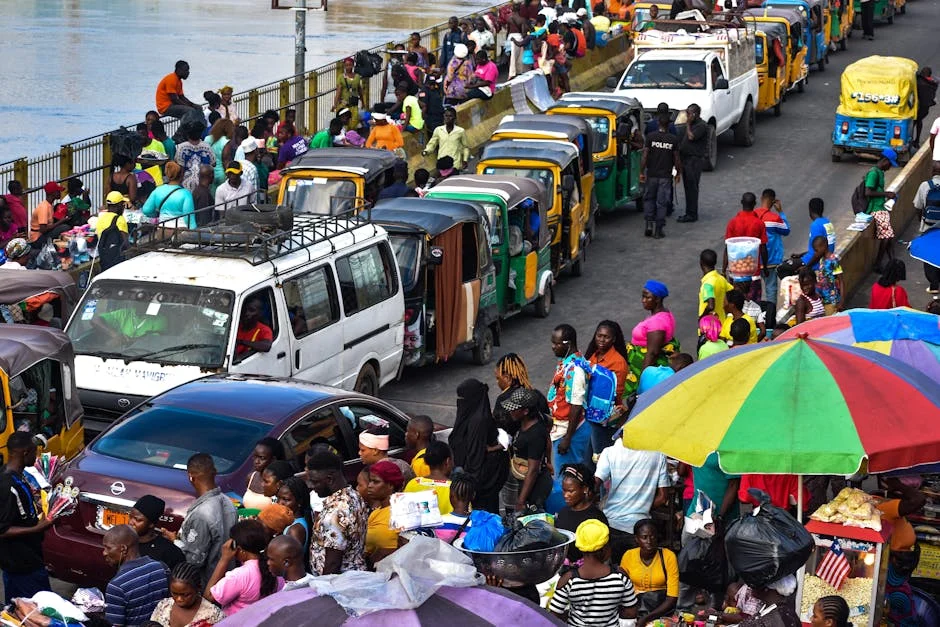
The psychological impact of the bandit raids is altering consumer behavior in significant ways. Residents are spending less time in out-of-town markets and are increasingly opting for convenience stores within their immediate neighborhoods. This shift benefits urban retailers but hurts larger wholesale markets that rely on foot traffic from surrounding towns.
Weekend shopping trips, which are a major revenue driver for many retail outlets in Ilorin, have declined as families choose to stay home or travel in larger, more secure convoys. This reduction in consumer spending power directly affects sales volumes, forcing businesses to adjust their inventory levels and sometimes lay off staff to manage cash flow.
Business owners report that customers are more price-sensitive now, as households allocate a larger portion of their monthly income to security and transportation costs. This means that businesses must either lower their profit margins to keep customers or risk losing market share to competitors who can absorb the cost increases. The competitive landscape is becoming more brutal, with weaker players being squeezed out.
Government Response And Fiscal Implications
The Kwara State government is under pressure to respond to the crisis, and its fiscal resources are being stretched. Increased spending on security personnel, infrastructure like guard posts and streetlights, and occasional ransom payments directly impacts the state’s budget. This means less money available for other economic development projects, such as road maintenance, education, and healthcare.
Politicians in Ilorin have announced several initiatives, including the deployment of additional troops and the establishment of a task force to track down bandit leaders. However, the effectiveness of these measures is still being tested. Investors are watching to see if these are short-term fixes or part of a long-term strategy to stabilize the region. The credibility of the government’s economic management is tied to its ability to deliver security.
The fiscal strain also affects public service delivery. If more revenue goes to security, other sectors may suffer, leading to a decline in the quality of public services that businesses and residents rely on. This creates a vicious cycle where poor services drive people and businesses away, reducing the tax base and making it harder to fund security and development.
Regional Economic Spillover Effects
The economic impact of the Kwara crisis is not confined to the state’s borders. Because Kwara is a major transit corridor between Northern Nigeria and the commercial hub of Lagos, disruptions there affect the wider regional economy. Delays and detours on the Lagos-Ibadan-Ilorin axis increase delivery times for goods moving to and from the country’s largest port.
Businesses in neighboring states like Oyo and Kogi are also feeling the pressure as bandits occasionally cross borders or as traffic is diverted through their territories. This creates a ripple effect, increasing costs and uncertainty for companies operating across West Africa. The integration of the regional market is hindered when key logistical nodes become unpredictable.
International trade is also affected. Exporters who rely on Kwara’s highways to move goods to Lagos port face higher freight costs and longer lead times. This reduces the competitiveness of Nigerian exports in global markets, as buyers may opt for suppliers from countries with more reliable logistics networks. The broader implication is a slight drag on the national GDP, as trade flows become less efficient.
What Investors And Businesses Should Watch Next
For investors and businesses operating in or considering entry into the Kwara market, the coming months will be critical. Key indicators to monitor include the frequency of bandit attacks, the effectiveness of government security deployments, and the trends in consumer spending and business investment. Any sign of sustained improvement in security could lead to a rebound in economic activity, while further deterioration could trigger a more significant exodus of capital and talent.
Stakeholders should also watch for policy changes from the Kwara State government, such as new tax incentives for businesses that invest in security or infrastructure. Additionally, the reaction of the federal government, particularly in terms of military deployment and fiscal support, will play a major role in shaping the economic outlook. The next quarterly economic reports from the state will provide valuable data on how these factors are playing out in real-time.
See Also
- Bath University Breaks into Top 10 — What That Means for the Local Economy
- The Citizen Exposes 24 Hours That Defined South Africa's Economic Divide