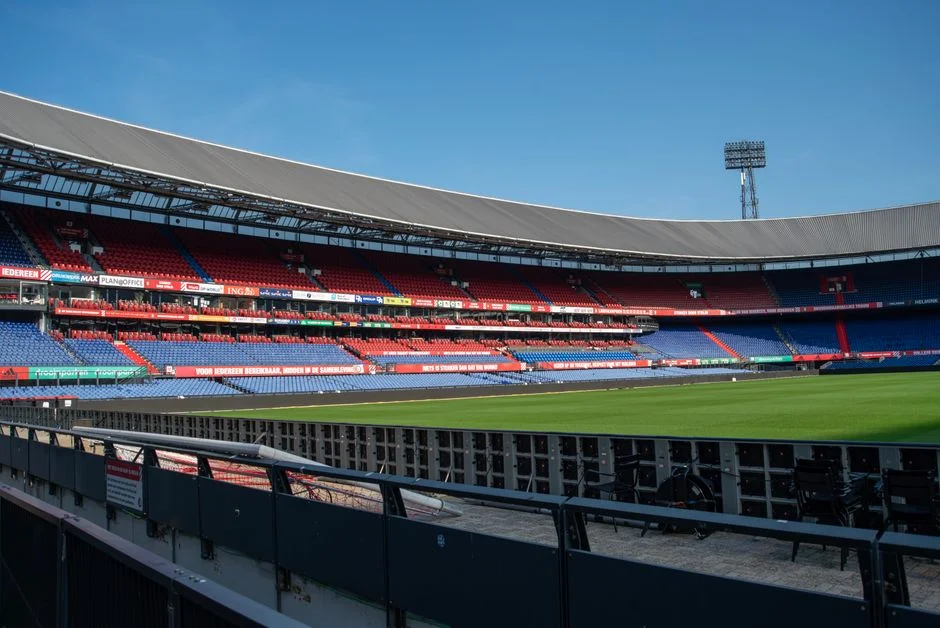
FC Barcelona secured a decisive 3-1 victory over Real Betis at Camp Nou, cementing a flawless home record for the season and sending a powerful signal to the city’s financial stakeholders. The win, driven by clinical finishing and tactical discipline, translates directly into enhanced commercial value and investor confidence for the Catalan giants. This sporting success is not merely a matter of pride; it is a tangible economic asset that influences everything from jersey sales in London to broadcast rights negotiations in New York.
Commercial Value of a Perfect Home Record
A perfect home record in La Liga is a rare commodity that directly impacts the bottom line. For FC Barcelona, each home win generates immediate revenue through matchday operations, which include ticket sales, hospitality packages, and merchandise. The Camp Nou, currently undergoing its ambitious renovation into the Espai Barça stadium, serves as the primary engine for this income stream. Investors monitor these metrics closely because consistency at home reduces the volatility of matchday revenue, providing a stable cash flow that supports the club’s broader financial restructuring efforts.
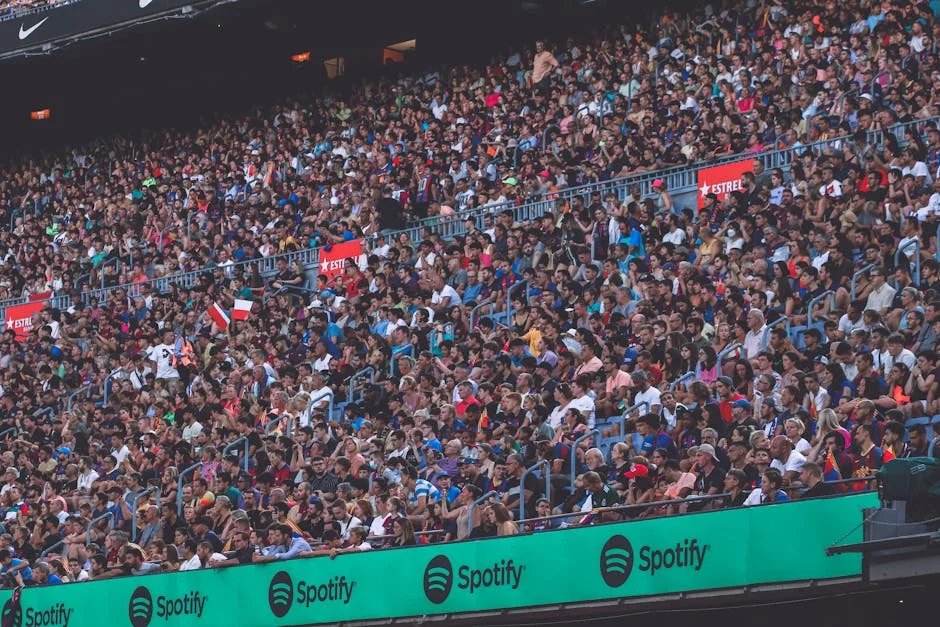
The economic implications extend beyond the stadium gates. A strong home performance boosts the club’s brand equity, which is crucial for securing lucrative sponsorship deals. Global brands are increasingly willing to pay a premium for visibility on a team that demonstrates domestic dominance. This stability is particularly important for FC Barcelona, which has faced intense financial scrutiny following the introduction of Financial Fair Play-style regulations in Spain. The club’s ability to deliver consistent results at Camp Nou helps mitigate financial risk, making it a more attractive proposition for both existing shareholders and potential new investors in the European sports market.
Raphinha’s Market Impact and Brand Influence


Raphinha’s performance in the 3-1 win highlights the growing economic influence of individual star power in modern football. His ability to deliver in high-stakes matches increases his market value, which has direct implications for transfer market dynamics and wage structures. As one of the club’s key attacking assets, Raphinha’s consistency ensures that FC Barcelona retains flexibility in their squad planning, allowing them to either reinvest his potential transfer fee or lock him in as a long-term commercial ambassador. This strategic positioning is vital for maintaining competitive balance without overextending the club’s wage bill.
Global Brand Reach and UK Consumer Trends
The question of how raphinha affects the UK is increasingly relevant as British consumers continue to dominate European football’s commercial landscape. UK-based fans represent a significant portion of FC Barcelona’s international supporter base, driving demand for merchandise, streaming subscriptions, and travel packages. Raphinha’s rising profile enhances the club’s appeal in this lucrative market, where brand loyalty translates directly into spending power. This trend is not isolated; it reflects a broader shift where individual player narratives drive consumer engagement, particularly in regions with high disposable income and strong footballing cultures.
For businesses operating in the sports sector, understanding raphinha news today is essential for capitalizing on emerging market opportunities. The player’s visibility creates ripple effects across various industries, from apparel manufacturers to digital media platforms. Companies that align their marketing strategies with high-performing players like Raphinha can achieve greater return on investment by tapping into the emotional connection fans have with their idols. This dynamic underscores the importance of data-driven marketing in the modern sports economy, where real-time performance metrics can inform strategic decisions and optimize resource allocation.
Real Betis and the Relative Economic Standing of La Liga Clubs
Real Betis’ defeat underscores the competitive imbalance that exists within La Liga, which has significant economic ramifications for the league as a whole. While FC Barcelona benefits from its global brand and consistent performance, clubs like Real Betis must navigate a more precarious financial landscape. The gap in resources and revenue generation between the top tier and the mid-table clubs is widening, creating a two-speed league that affects everything from player wages to broadcast revenue distribution. This disparity poses challenges for smaller clubs seeking to maintain competitiveness without the financial backing of a global superpower.
The ZA impact on the UK is a complex issue that intersects with broader economic trends in European football. While ZA may refer to various entities or metrics depending on the context, its general update suggests a shift in how financial flows are managed across borders. For UK-based investors and businesses, understanding these dynamics is crucial for navigating the evolving sports economy. The movement of capital, talent, and media rights creates interdependencies that require careful analysis and strategic planning. As the football industry becomes increasingly globalized, the ability to anticipate and adapt to these changes will determine long-term success.
Investor Confidence and Future Financial Projections
The 3-1 victory over Real Betis serves as a positive indicator for FC Barcelona’s financial health, reinforcing investor confidence in the club’s ability to generate sustainable growth. Analysts view consistent on-pitch performance as a leading indicator of commercial stability, as it drives revenue across multiple streams. This perspective is particularly relevant in the current economic climate, where uncertainty in global markets makes reliable income sources more valuable than ever. For FC Barcelona, the perfect home record is not just a statistical achievement; it is a financial safeguard that supports long-term strategic objectives.
Looking ahead, the club’s financial trajectory will depend on its ability to maintain this level of performance while managing external economic pressures. Inflation, currency fluctuations, and changes in consumer behavior all pose potential risks to revenue growth. However, the club’s strong brand and loyal fan base provide a degree of resilience that many other organizations lack. By leveraging its sporting success to enhance its commercial appeal, FC Barcelona is well-positioned to navigate these challenges and continue to grow its market share in the global sports industry. Investors who recognize this potential are likely to see substantial returns over the coming years.
Broader Economic Implications for the Sports Industry
The economic dynamics at play in this match reflect broader trends in the global sports industry, where sporting performance is increasingly intertwined with financial outcomes. Clubs that consistently deliver on the pitch are better equipped to attract sponsorship, secure broadcast deals, and engage fans, creating a virtuous cycle of growth. This trend is particularly evident in La Liga, where the top clubs have leveraged their global brands to become economic powerhouses. For businesses and investors, understanding these dynamics is essential for identifying opportunities and mitigating risks in a rapidly evolving market.
The ZA general update further highlights the interconnected nature of the global sports economy, where changes in one market can have ripple effects across others. For UK-based stakeholders, this means that monitoring developments in European football is not just a matter of sporting interest; it is a strategic imperative. By staying informed about key trends and performance metrics, businesses can make more informed decisions that drive growth and competitiveness. This approach is particularly important in an era where data and analytics play a central role in shaping strategic direction.
Strategic Opportunities for UK-Based Businesses
How ZA affects the UK is a question that requires careful consideration of the broader economic landscape. As the global sports industry continues to evolve, UK-based businesses have the opportunity to capitalize on emerging trends and shifts in consumer behavior. By aligning their strategies with the dynamics of the European football market, these businesses can achieve greater visibility and engagement with key demographic groups. This approach not only drives short-term revenue growth but also builds long-term brand equity that can withstand market fluctuations.
For investors, the key takeaway is that sporting performance is a leading indicator of financial health. Clubs that consistently deliver on the pitch are better positioned to generate sustainable revenue and attract new investment. This perspective is particularly relevant in the current economic climate, where uncertainty makes reliable income sources more valuable than ever. By focusing on clubs with strong commercial fundamentals and consistent on-pitch performance, investors can mitigate risk and maximize returns in the dynamic sports economy. The next step for stakeholders is to monitor upcoming transfer windows and sponsorship announcements for further signals of market direction.
Analysts view consistent on-pitch performance as a leading indicator of commercial stability, as it drives revenue across multiple streams. Broader Economic Implications for the Sports Industry The economic dynamics at play in this match reflect broader trends in the global sports industry, where sporting performance is increasingly intertwined with financial outcomes.