The European Court of Justice has issued a decisive ruling that separates flight refunds from monetary compensation for air travelers. This legal distinction clarifies that a refund for a cancelled flight does not automatically trigger the cash payouts previously expected under EU regulations. The judgment fundamentally alters the financial exposure of airlines operating within and flying into the bloc.
Clarifying the Legal Distinction Between Refunds and Compensation
The court’s decision addresses a long-standing ambiguity in EU passenger rights legislation. Previously, passengers often conflated the return of their ticket price with the additional compensation mandated for delays and cancellations. The ruling establishes that these are two distinct financial obligations for carriers. Airlines must return the fare paid if a flight is cancelled or significantly delayed, but this refund does not negate the requirement to pay extra compensation under specific conditions.
This clarification is crucial for the aviation sector’s balance sheets. By distinguishing between the principal amount of the ticket and the penalty for inconvenience, the court provides a clearer framework for calculating liabilities. For investors tracking airline profitability, this means that while revenue recognition might shift, the core compensation costs remain a significant operational expense. The decision reduces the risk of double-dipping by passengers but maintains pressure on carriers to perform.
Financial Implications for Airline Balance Sheets


Airlines face immediate adjustments to their financial forecasting models. The separation of refunds from compensation means that cash flow management becomes more complex. Carriers must track refunds separately from compensation payouts, which can occur months after the initial flight disruption. This affects liquidity, particularly for low-cost carriers that operate on thinner margins and higher volume. Investors need to scrutinize the "other liabilities" line items in quarterly reports more closely.
The ruling also impacts insurance products tied to flight performance. Travel insurers in London and other major financial hubs are reviewing policy terms to reflect this legal nuance. Policies that previously covered both refund delays and compensation payouts may need restructuring. This shift creates opportunities for new financial products that specifically target the compensation gap, offering investors in the fintech sector a new niche. The market for travel-related derivatives is likely to see increased volatility as these products adjust.
Impact on Low-Cost vs. Legacy Carriers
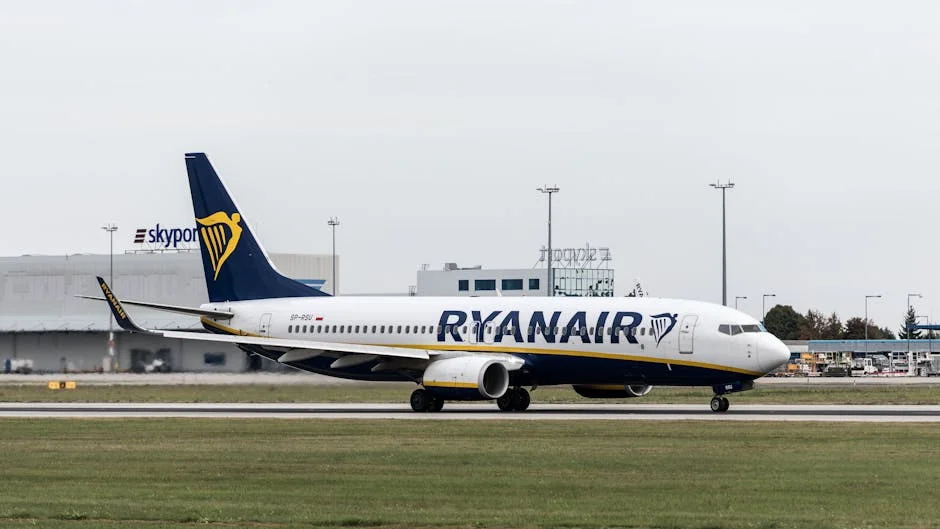
Low-cost carriers such as Ryanair and easyJet are particularly affected due to their high frequency of short-haul flights. These airlines rely on rapid turnover and minimal ancillary costs. The need to manage separate refund and compensation streams adds administrative overhead. Legacy carriers like Lufthansa and Air France have more robust back-end systems but face higher absolute costs due to larger passenger volumes. The competitive landscape may shift as low-cost carriers adjust pricing strategies to account for these administrative and financial burdens.
Investors should watch for changes in the net profit margins of these companies over the next two quarters. If airlines fail to optimize their refund and compensation processes, operational expenses could rise unexpectedly. This could lead to share price corrections, especially for carriers with high exposure to the European domestic market. The efficiency of customer service departments will become a key performance indicator for equity analysts.
Market Reactions and Investor Sentiment
Financial markets have reacted with mixed signals to the ruling. Some investors view the clarification as a positive step towards regulatory certainty, reducing the risk of unexpected litigation costs. Others worry that the administrative burden will eat into profits, particularly for smaller regional airlines. The European aviation index has seen modest fluctuations, reflecting this uncertainty. Traders are closely monitoring the quarterly earnings calls of major carriers for specific guidance on how the ruling affects their bottom line.
The ruling also has implications for the broader travel and tourism economy. If passengers perceive the compensation process as more cumbersome, they might be more likely to book flights, knowing that refunds are guaranteed but compensation is conditional. This could boost demand for air travel, benefiting airlines and airport operators. However, if the process is seen as unfair, consumer confidence could dip, leading to a slight contraction in the sector. Investors in hotel and rental car companies should also factor in these potential shifts in consumer behavior.
Operational Changes for Airlines
Airlines must now implement new operational procedures to comply with the ruling. This involves updating customer service protocols, revising terms and conditions, and enhancing data analytics to track refund and compensation metrics. The integration of these changes will require investment in technology and staff training. For companies like IAG and Deutsche Lufthansa AG, this means allocating capital expenditure towards digital transformation initiatives. The efficiency of these implementations will be a key differentiator in the market.
The need for clear communication with passengers is also paramount. Airlines must educate travelers on the distinction between refunds and compensation to manage expectations and reduce customer service inquiries. This could involve launching targeted marketing campaigns and updating website interfaces. Companies that excel in customer communication may see a boost in brand loyalty and repeat business, which translates to long-term revenue stability. Investors should look for airlines that proactively address this communication gap.
Regulatory Landscape and Future Legal Challenges
The European Court’s decision sets a precedent that will likely influence future aviation legislation. Regulators in Brussels may use this ruling to refine the EU Passenger Rights Regulation, potentially introducing more granular definitions of compensation triggers. This could lead to further legal challenges as airlines and passenger advocacy groups test the boundaries of the new framework. Legal firms specializing in aviation law are already seeing an uptick in cases related to this distinction. The regulatory environment remains dynamic, requiring businesses to stay agile.
Other regions may also look to the EU’s approach as a model for their own passenger rights laws. Countries in Asia and North America are reviewing their aviation regulations, and the EU’s clarity on refunds versus compensation could serve as a benchmark. This global harmonization trend could create opportunities for multinational airlines that operate in multiple jurisdictions. Investors in global aviation holdings should monitor regulatory developments in key markets like the US and China for potential ripple effects.
Consumer Rights and Passenger Behavior
Passengers need to understand their rights under the new ruling. While refunds are guaranteed, compensation is not automatic and depends on specific factors such as the length of the delay and the reason for the cancellation. Travelers should review their ticket terms and conditions carefully and keep detailed records of their flights. This awareness can empower consumers to make more informed decisions and potentially negotiate better outcomes with airlines. The shift in consumer behavior could influence airline pricing strategies, as carriers may adjust fares to reflect the perceived value of compensation.
The ruling also highlights the importance of travel insurance. Passengers who want additional financial protection beyond the standard refund and compensation should consider purchasing comprehensive travel insurance policies. This market segment is likely to grow as consumers seek more certainty in their travel plans. Insurance companies in London and other financial centers are already developing new products to cater to this demand. Investors in the insurance sector should pay attention to the growth potential in travel-related policies.
What to Watch Next in Aviation Markets
Investors and market observers should monitor the upcoming quarterly earnings reports of major European airlines. These reports will provide concrete data on how the ruling affects profitability and cash flow. Key metrics to watch include the ratio of refunds to compensation payouts and the administrative costs associated with managing these streams. Any significant deviations from historical trends could signal broader operational challenges or opportunities. The next six months will be critical for assessing the long-term financial impact of this legal distinction.
See Also
- Noxolo Pearl Ngqono Sentencing Triggers UK Social Care Funding Debate
- Dylan Harper Advances to NBA Finals — Boosting US Sports Market Expectations