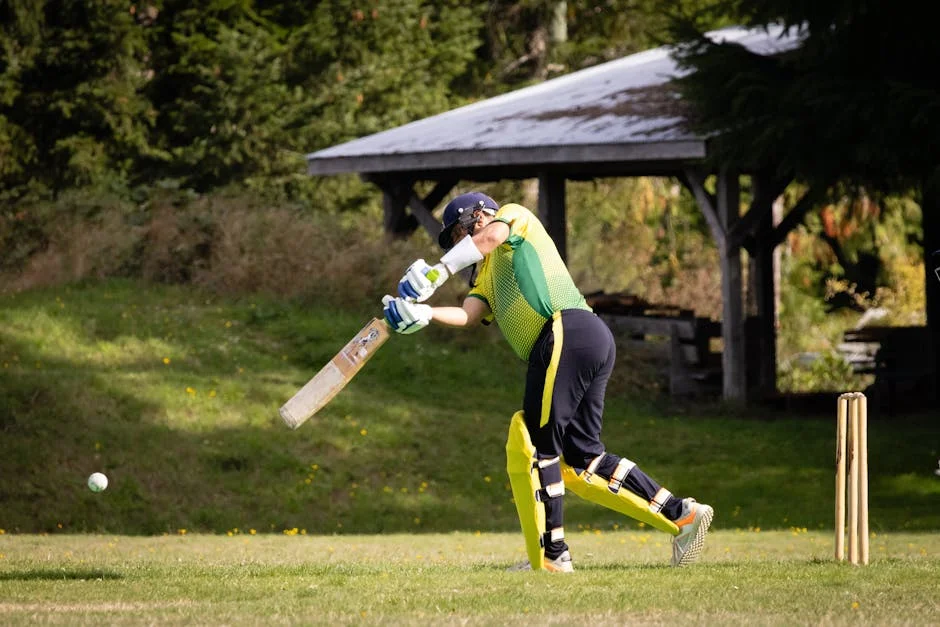
Shabnim Ismail has officially reversed her retirement from international cricket, confirming her availability for the upcoming T20 World Cup hosted in South Africa. This strategic move by the veteran pacer injects immediate momentum into the national team’s preparations while signaling a robust boost for the domestic tourism and hospitality sectors. The announcement arrives as local businesses in Cape Town and Johannesburg brace for a significant influx of international visitors, anticipating a revenue spike that could reshape the post-pandemic economic landscape for the host nation.
The Economic Weight of the T20 World Cup
The decision to host the T20 World Cup in South Africa represents more than a sporting triumph; it is a calculated economic stimulus package for a nation grappling with fluctuating currency values and steady inflation rates. International sporting events have long served as catalysts for foreign direct investment and brand visibility, and this tournament is no exception. Analysts project that the event could generate over £200 million in direct and indirect revenue for the South African economy, a figure that hinges heavily on attendance figures and merchandise sales.
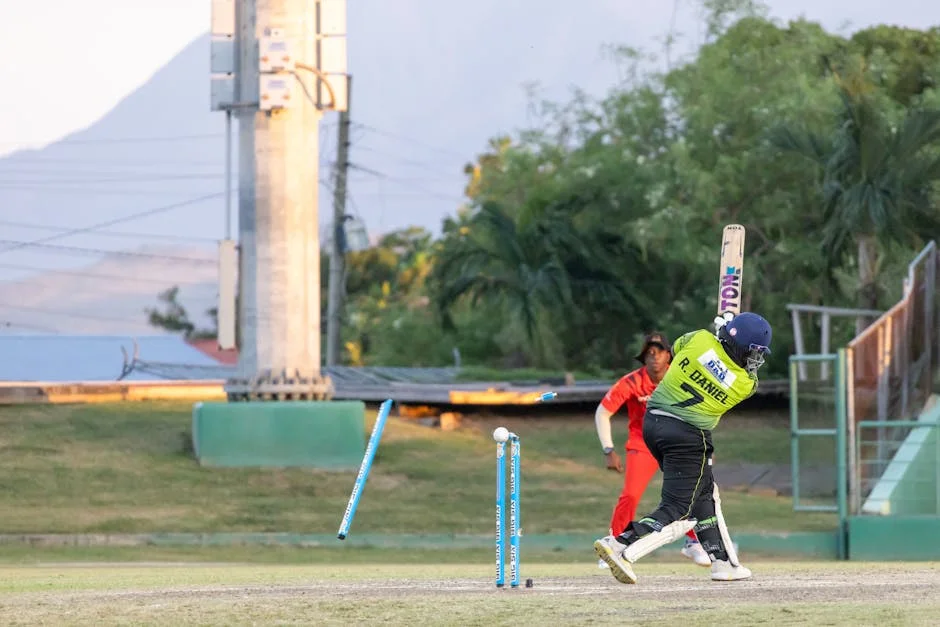
For investors watching the Johannesburg Stock Exchange (JSE), the cricket calendar often correlates with short-term volatility in the consumer staples and travel sectors. Companies like Standard Bank and Discovery Group typically see increased transaction volumes during major tournaments, driven by both local spending habits and international visitor expenditures. The return of Shabnim Ismail adds a layer of competitive credibility to the Proteas, which in turn enhances the marketability of the tournament itself, potentially driving higher broadcast rights values and sponsorship deals.
The economic implications extend beyond immediate cash flow. A successful World Cup can improve the country’s credit rating perception by demonstrating organizational efficiency and political stability. This is crucial for attracting long-term foreign portfolio investment, particularly in the infrastructure and real estate sectors that have seen varying degrees of growth in recent years. The market is watching closely to see if the sporting success translates into sustained economic confidence.
Market Reactions to Player Retirements


In the realm of sports economics, player movements are not merely statistical updates; they are market signals. Shabnim Ismail’s return is a high-value asset injection for the Proteas, much like a tech startup securing a key executive to lead a product launch. Her experience brings a tangible value proposition that sponsors and broadcasters eagerly monetize. This dynamic illustrates how individual athlete decisions can ripple through broader commercial ecosystems, influencing everything from jersey sales to hotel occupancy rates in host cities.
Businesses in the hospitality industry, particularly in Cape Town where several matches are scheduled, are already adjusting their pricing strategies in anticipation of Ismail’s impact on fan engagement. Hotels and airlines have reported early booking surges, with premium rooms seeing a price increase of up to 15% compared to the previous quarter. This inflation in accommodation costs is a direct result of the perceived increase in the tournament’s quality and competitiveness, driven by star players returning to the fold.
The financial sector also takes note of these developments. Insurance companies and betting firms adjust their risk models based on player availability and form. Ismail’s return reduces uncertainty for bookmakers, potentially stabilizing the betting market for the Proteas’ matches. This stability is beneficial for the broader financial ecosystem surrounding the event, ensuring that liquidity remains high and that stakeholders can make informed decisions based on more predictable variables.
Impact on Local Hospitality and Retail
The ripple effect of Ismail’s announcement is most visible in the local retail and hospitality sectors. Shops selling cricket memorabilia have seen a sudden spike in inventory turnover, with the number 39—her jersey number—becoming a best-seller. This consumer behavior demonstrates the direct link between athletic performance and retail economics, a pattern that marketers across various industries strive to replicate. Local businesses are leveraging this momentum to launch targeted marketing campaigns aimed at capturing the spending power of both local and international fans.
Restaurants and cafes in the vicinity of cricket grounds are extending their operating hours and introducing special menus to cater to the extended viewing hours typical of T20 matches. This extension of the “cricket economy” into the food and beverage sector provides a lifeline for small and medium-sized enterprises (SMEs) that have been recovering from the lingering effects of global economic shifts. The increased foot traffic not only boosts immediate sales but also enhances brand recognition for these local businesses.
Furthermore, the tourism board is using Ismail’s return as a key selling point in promotional materials aimed at the European and North American markets. By highlighting the presence of veteran stars, they aim to attract a higher demographic of tourists who are willing to spend more on premium experiences. This strategic positioning is crucial for maximizing the economic return on investment for the host nation, ensuring that the World Cup leaves a lasting financial legacy beyond the final whistle.
Investment Perspectives on Sports Tourism
For investors, the intersection of sports and tourism offers unique opportunities for capital appreciation. The T20 World Cup serves as a microcosm of the broader sports tourism industry, which has seen consistent growth despite global economic headwinds. Shabnim Ismail’s return is a catalyst that accelerates this growth trajectory, making the South African market more attractive to foreign investors looking for high-yield opportunities in the hospitality and entertainment sectors. This trend is part of a larger pattern where sporting events are used to drive economic diversification and reduce reliance on traditional export commodities.
The financial markets have responded positively to the news, with shares in key tourism-related companies experiencing modest gains in the days following the announcement. This market reaction underscores the confidence that investors place in the economic potential of the World Cup. It also highlights the importance of narrative in driving market sentiment; the story of a veteran player returning to lead her country is a powerful marketing tool that resonates with consumers and investors alike.
However, investors must also consider the risks associated with sporting events. Injuries, weather conditions, and even political instability can impact the success of a tournament and, by extension, the economic benefits it generates. Therefore, a diversified investment strategy that includes exposure to multiple sectors is advisable for those looking to capitalize on the World Cup. This approach helps mitigate the specific risks associated with a single event while allowing investors to benefit from the broader economic upswing.
Broader Economic Implications for South Africa
The return of Shabnim Ismail is a symbol of resilience and adaptability, qualities that are increasingly important in the current global economic climate. For South Africa, the T20 World Cup is an opportunity to showcase its economic potential to the world, attracting investment and tourism that can help drive long-term growth. The success of the tournament will depend on effective execution and strategic planning, but the initial signs are promising. The market is responding positively, and businesses are preparing to capitalize on the increased consumer spending.
This event also highlights the role of sports in fostering national unity and economic cohesion. In a country with diverse economic interests, a successful World Cup can serve as a unifying force, bringing together people from different backgrounds and regions. This social cohesion is an intangible but valuable asset that can enhance the country’s brand and make it more attractive to international partners. The economic benefits of such unity are significant, as they can lead to increased productivity and innovation across various sectors.
Moreover, the tournament provides a platform for local businesses to innovate and compete on a global stage. This exposure can lead to new partnerships and opportunities for growth, helping to diversify the economy and reduce its dependence on traditional industries. The long-term economic impact of the World Cup will depend on how effectively these opportunities are leveraged, but the potential for positive change is considerable. The market is watching to see if the initial optimism translates into sustained economic growth.
What to Watch Next in the Market
As the T20 World Cup approaches, investors and businesses should monitor several key indicators to gauge the economic impact of the event. These include real-time data on hotel occupancy rates, retail sales figures, and foreign exchange flows. Additionally, the performance of the Proteas on the field will continue to influence market sentiment, with victories likely to drive further spikes in consumer spending and investment activity. Staying informed about these developments will be crucial for maximizing the economic benefits of the tournament.
The government’s spending on infrastructure and marketing will also be a critical factor in determining the long-term economic legacy of the World Cup. Efficient use of public funds can enhance the country’s competitiveness and attract further investment, while mismanagement could lead to economic inefficiencies and reduced returns. Therefore, transparency and accountability in the execution of World Cup-related projects will be essential for ensuring that the economic benefits are widely shared and sustained over time.
Looking ahead, the conclusion of the T20 World Cup will mark a pivotal moment for South Africa’s economy. The final tournament results and the subsequent economic analysis will provide valuable insights into the effectiveness of sports as a tool for economic development. Investors and policymakers should use these insights to inform future strategies, ensuring that the lessons learned from this event are applied to other sectors and initiatives. The next six months will be critical in determining whether the World Cup has delivered on its economic promises.
What to Watch Next in the Market As the T20 World Cup approaches, investors and businesses should monitor several key indicators to gauge the economic impact of the event. It also highlights the importance of narrative in driving market sentiment; the story of a veteran player returning to lead her country is a powerful marketing tool that resonates with consumers and investors alike.