Joanna Lumley has thrown her weight behind a proposal to end the daily culling of millions of male chicks in the UK poultry industry, sending ripples through the agricultural sector. This high-profile endorsement of the 'ChickCount' initiative places immense pressure on British farmers who are already grappling with soaring operational costs and volatile consumer demand. The move signals a potential structural shift in how the country produces one of its most staple food items, with direct implications for market prices and supply chain efficiency.
The Economic Reality of Chick Culling
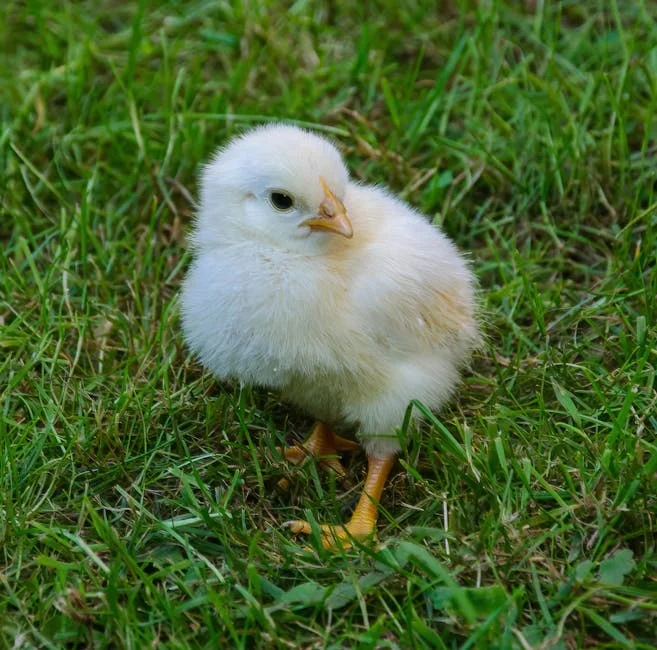
The practice of culling male day-old chicks is not merely a welfare issue; it is a fundamental component of the current economic model of the layer hen industry. In the UK, approximately 50 million male chicks are killed annually, mostly within 24 hours of hatching. These chicks, primarily from the White Leghorn breed, do not lay eggs and grow too slowly to be profitable as meat birds. Farmers currently face a binary choice: pay for a gas chamber or a grinding mill, or invest in new technology.
The cost of inaction is becoming increasingly difficult to ignore. While the welfare argument gains traction, the financial burden on producers is the primary driver of resistance. Smallholder farms, which make up a significant portion of the British supply chain, operate on razor-thin margins. For these businesses, the £100,000 to £150,000 price tag for in-ovo sexing technology represents a massive capital expenditure. This technology allows farmers to determine the sex of the chick while it is still in the egg, enabling them to cull the male embryo before it hatches, thereby reducing the number of live chicks killed.
Investors in the agri-food sector are watching this transition closely. The shift from post-hatch to in-ovo sexing requires not just capital investment but also a re-evaluation of supply contracts. Large retailers like Tesco and Sainsbury’s have already begun to demand higher welfare standards from their suppliers. This retail pressure forces producers to absorb costs or pass them on to the consumer, directly impacting the price of eggs on the high street. The economic equation is simple: better welfare costs more, and someone has to pay the bill.
Market Reactions and Supply Chain Disruptions


The endorsement by a figure of Lumley’s stature accelerates the timeline for change, potentially catching some producers off guard. Market analysts suggest that the initial phase of adoption will be uneven. Large integrated producers, such as those in the East of England, have the balance sheets to absorb the initial shock of technology adoption. However, smaller family-run farms in regions like the West Midlands may struggle to secure the necessary financing. This disparity could lead to a consolidation of the market, where larger players buy out smaller ones, reducing overall competition.
Impact on Retail Pricing
For the average British consumer, the most immediate consequence of this shift will be felt at the checkout. Egg prices have already been volatile, influenced by avian flu outbreaks and global feed costs. The introduction of in-ovo sexing is expected to add a premium to the cost of production. Industry estimates suggest that the price of a standard dozen eggs could rise by 5 to 10 pence in the short term as farmers amortize their capital investments. This may seem like a small figure, but in an era of persistent food inflation, every penny counts for households stretching their budgets.
Retailers are positioned to play a pivotal role in managing this price sensitivity. They can choose to absorb some of the cost to maintain brand loyalty or use the welfare improvement as a marketing tool to justify a price hike. The success of the initiative will depend on whether consumers are willing to pay a 'welfare premium' for eggs. Historical data from the dairy and meat sectors suggests that while consumers say they care about welfare, their purchasing behavior often defaults to the lowest price when budgets are tight.
Suppliers must also consider the logistics of implementing this technology. In-ovo sexing requires precision and speed, often involving the introduction of a dye or a small probe into the eggshell. This process can slightly increase the breakage rate or require more careful handling. These operational nuances add complexity to the supply chain, requiring training and new equipment. For businesses, this means a period of adjustment where efficiency might dip before stabilizing.
Investment Opportunities in Agri-Tech
For investors, the push to end chick culling creates specific opportunities in the agri-tech sector. Companies that manufacture and license in-ovo sexing technology are poised for growth. The UK market is just the beginning; if the model proves economically viable, it could be exported to other European markets with similar welfare standards. This presents a clear growth trajectory for technology providers who can demonstrate cost-effectiveness and ease of integration for farmers.
Furthermore, the initiative highlights the importance of data-driven farming. In-ovo sexing generates valuable data about hatchability and embryo development. Farmers and investors who leverage this data can optimize breeding programs and reduce waste. This data advantage can translate into a competitive edge, allowing forward-thinking producers to command higher prices or secure better contracts with retailers. The ability to quantify welfare improvements is becoming a key asset in the modern food industry.
However, risks remain. The technology is not yet perfect, and there is a learning curve associated with its adoption. Early adopters may face technical glitches or higher initial costs than projected. Investors need to scrutinize the financial health of the technology providers and the financial resilience of the farms adopting them. A misstep in implementation could lead to consumer backlash or supply disruptions, affecting the bottom line for all stakeholders involved.
Regulatory Landscape and Policy Implications
The UK government faces a critical decision regarding the regulatory framework for chick culling. While there is no immediate statutory deadline, the political pressure is mounting. The Department for Environment, Food and Rural Affairs (Defra) has been monitoring the situation, balancing animal welfare goals with the economic realities of the farming sector. Any new regulation must be carefully crafted to avoid sudden shocks to the supply chain.
A phased approach is likely to be favored by policymakers. This would allow farmers time to invest in new technology and adjust their business models. However, a clear timeline is essential to provide certainty for businesses and investors. Without a definitive deadline, farmers may delay investment, leading to a more chaotic transition later on. The government’s role will be to facilitate this transition, potentially through grants or tax incentives to help smaller farms adopt the new technology.
The regulatory environment also affects international trade. If the UK imposes stricter welfare standards, it may face challenges in importing eggs from countries with less stringent rules. This could lead to calls for tariffs or equivalence agreements to level the playing field. For British farmers, this presents an opportunity to position UK eggs as a premium product in the global market, leveraging the welfare credentials to command higher prices abroad.
Consumer Behavior and Brand Value
The success of the chick survival plan ultimately hinges on consumer perception. Joanna Lumley’s endorsement brings significant media attention, raising awareness among the general public. However, translating awareness into action requires effective communication from brands and retailers. Consumers need to understand the tangible benefits of the new system and feel confident that their money is making a difference.
Brands that act early can capture the 'first-mover advantage'. By marketing their eggs as 'chick-friendly' or 'in-ovo sexed', they can differentiate themselves in a crowded market. This branding can justify a premium price and build customer loyalty. Conversely, brands that are slow to adapt risk being perceived as laggards, potentially losing market share to more agile competitors. The narrative around egg production is shifting, and businesses need to be proactive in shaping that story.
Transparency is key. Consumers are increasingly skeptical of marketing claims and demand proof. Retailers and producers need to provide clear, verifiable information about the welfare standards of their eggs. This might involve QR codes on packaging that allow consumers to trace the egg back to the farm and see the specific welfare measures in place. This level of transparency can build trust and enhance the value of the product.
Long-Term Economic Consequences
The shift away from chick culling has long-term implications for the UK economy. By investing in technology and improving welfare standards, the poultry sector can enhance its competitiveness and resilience. A more efficient and transparent supply chain can reduce waste and improve quality, benefiting both producers and consumers. This modernization can also attract investment, positioning the UK as a leader in sustainable food production.
However, the transition will not be without its challenges. Small farms may struggle to survive the initial shock, leading to a more concentrated industry. This could have social and economic impacts on rural communities, where family farms play a vital role. Policymakers need to consider these broader implications and design support mechanisms to ensure a just transition for all stakeholders. The goal should be to create a sustainable and equitable industry that benefits farmers, animals, and consumers alike.
The economic model of the egg industry is undergoing a fundamental transformation. The end of chick culling is not just a welfare victory; it is a market signal that efficiency and transparency are becoming increasingly important. Businesses that adapt to this new reality will be well-positioned for long-term success. Those that resist risk being left behind in a rapidly evolving market landscape.
Watch for Defra to announce a formal consultation period on in-ovo sexing regulations, expected within the next six months, which will set the definitive timeline for UK producers to upgrade their facilities.
See Also
- South Africa Transforms Wine Festival into National Celebration — and Economic Engine
- Nigeria Army Foils Pipeline Attack — Oil Markets React