The EuroMillions lottery has confirmed a massive €72 million jackpot, setting off immediate economic ripples across participating European markets. This substantial cash injection is set to alter consumer spending patterns and boost local retail sectors in the winning region. Investors and economists are now watching how this sudden liquidity affects small businesses and tax revenues.
Immediate Impact on Local Retail
A €72 million windfall does not stay in a bank account for long. Historical data from major lottery wins shows that a significant portion of the prize is spent within the first 48 hours. This creates an immediate surge in demand for luxury goods, real estate, and automotive sales. Local retailers in the winning city will likely see a sudden spike in foot traffic and online orders.

Small businesses benefit disproportionately from these events. A single winner can clear out the inventory of local boutiques and dealerships. This cash flow provides a much-needed boost to the micro-economy, often more effective than broad fiscal stimulus. Suppliers to these retailers also feel the effect as they rush to restock popular items.
Real Estate and Automotive Sectors
The real estate market often reacts swiftly to major lottery wins. Potential buyers who were previously priced out of the market may enter the fray, driving up competition in local housing and commercial property sectors. Agents report a surge in viewings for high-end properties in the weeks following a major draw. This can lead to a temporary price correction in specific neighborhoods.
Automotive dealerships are another key beneficiary. Winners frequently purchase multiple vehicles, ranging from luxury sedans to sports cars. This demand can clear out showroom floors and increase revenue for local franchises. The ripple effect extends to service centers and accessory shops, creating a broader economic boost.
Tax Implications for Governments


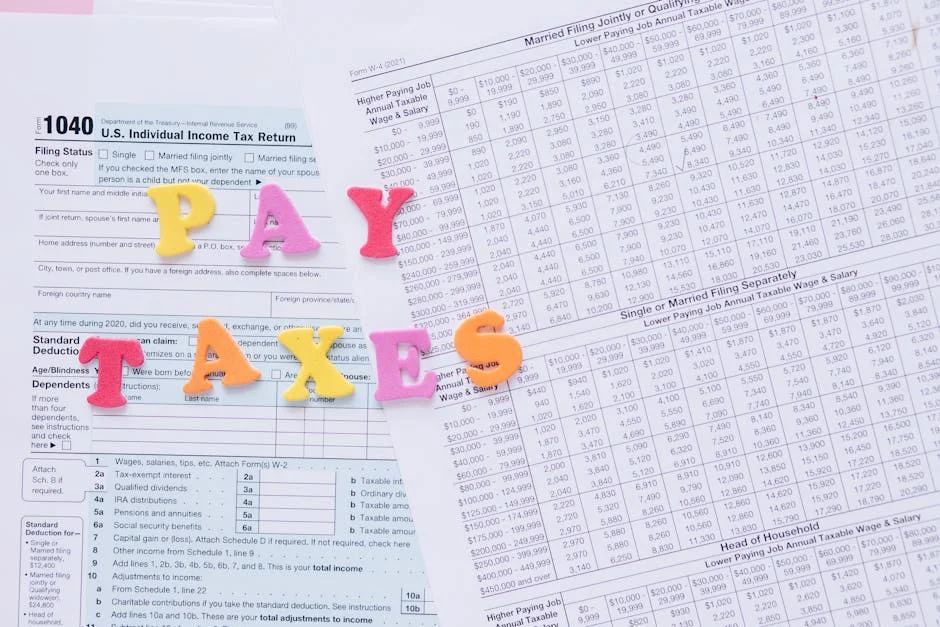
For governments, a €72 million jackpot represents a significant source of immediate tax revenue. Depending on the winning country, the tax rate can range from 20% to nearly 50% of the total prize. This influx of funds can help balance local budgets or fund specific public projects. Tax authorities are preparing for a sudden increase in filings and payments.
The distribution of this tax revenue varies by region. In some countries, a portion of the tax goes directly to national infrastructure funds. In others, it supports social welfare programs or education initiatives. This makes the lottery not just a game of chance, but a subtle form of fiscal policy. Governments rely on this predictable, albeit irregular, stream of income.
Investor Perspective on Lottery Markets
Investors view major lottery jackpots as indicators of consumer confidence and spending habits. A large win can signal a temporary increase in consumer discretionary spending. This can positively impact the stock prices of companies in the retail, hospitality, and entertainment sectors. Analysts monitor these events for short-term trading opportunities.
The lottery industry itself is a multi-billion euro market. Companies that manage the draws, such as the Syndicat National des Loteries et Jeux en Ligne (SNJL) in France or the National Lottery in the UK, see increased ticket sales when jackpots grow. This drives revenue growth for parent companies and increases dividends for shareholders. The €72 million figure is a key driver of this current cycle.
Business Strategy for Local Companies
Businesses in the winning region can strategically position themselves to capture a share of the jackpot spending. Marketing campaigns that target "newly wealthy" consumers can be highly effective. Offering premium services, flexible payment plans, and exclusive inventory can attract lottery winners who are eager to spend. This requires agility and a deep understanding of consumer psychology.
Financial advisors and wealth management firms also see a surge in clients. Winners often seek professional help to manage their newfound wealth. This creates business opportunities for local banks, investment firms, and real estate agencies. Building relationships with lottery winners can lead to long-term client retention and increased asset under management.
Challenges for Local Economies
However, a sudden influx of wealth can also create challenges. Inflation in specific sectors, such as housing and luxury goods, can price out local residents who did not win. This can lead to social tension and a shift in the local economic landscape. Businesses must balance catering to new wealth with maintaining accessibility for existing customers.
Supply chain disruptions can also occur if demand outpaces production. Retailers may struggle to restock popular items quickly, leading to missed sales opportunities. Logistics companies face increased pressure to deliver goods efficiently. These operational challenges require careful planning and resource allocation.
Broader Economic Indicators
Lottery wins can serve as micro-indicators of broader economic trends. When people are more likely to buy tickets, it often reflects a sense of optimism or, conversely, a need for a financial break. The €72 million jackpot reflects current consumer sentiment and spending power. Economists use this data to gauge the health of the consumer market.
The distribution of lottery winnings across different income groups can also reveal economic disparities. In some regions, the working class spends a higher percentage of their income on lottery tickets than the wealthy. This highlights the role of the lottery as both a source of entertainment and a form of indirect taxation. Understanding these patterns helps policymakers design more effective economic strategies.
Future Trends in Lottery Economics
The lottery industry is evolving with technology. Digital platforms and mobile apps are changing how people play and spend their winnings. This shift affects the timing and location of spending. Winners may spend more online, benefiting e-commerce giants and digital service providers. This trend is likely to continue, reshaping the retail landscape.
Sustainability is also becoming a key factor. Winners are increasingly interested in eco-friendly investments and purchases. This creates opportunities for green businesses and sustainable brands. Companies that align with these values can capture a larger share of the jackpot spending. This reflects a broader shift in consumer preferences towards sustainability.
What to Watch Next
Investors and economists should monitor the immediate spending patterns of the winner over the next three months. This will provide valuable data on how lottery winnings are allocated across different sectors. Watch for changes in local real estate prices, retail sales figures, and tax revenue reports. These indicators will offer insights into the broader economic impact of the €72 million jackpot. The coming weeks will be critical in understanding the full scope of this financial event.
Broader Economic Indicators Lottery wins can serve as micro-indicators of broader economic trends. These indicators will offer insights into the broader economic impact of the €72 million jackpot.
What is the latest news about euromillions hits 72 million what it means for retail and taxes?
Why does this matter for sports?
What are the key facts about euromillions hits 72 million what it means for retail and taxes?