Amazon has officially rolled out its aggressive 30-minute delivery service, known as Amazon Now, across multiple major cities in the United States. This launch marks a pivotal moment for the e-commerce giant, shifting the consumer expectation of speed from days to mere hours. The move places immediate pressure on traditional retailers and logistics firms to adapt or risk losing market share.
Speed as the New Currency
The core of this strategy is not just about moving boxes; it is about capturing the consumer’s mindshare. When a customer receives a package within half an hour, the decision-making process shortens dramatically. Impulse buying becomes the dominant force in the marketplace. Amazon aims to dominate this space by leveraging its vast network of fulfillment centers.
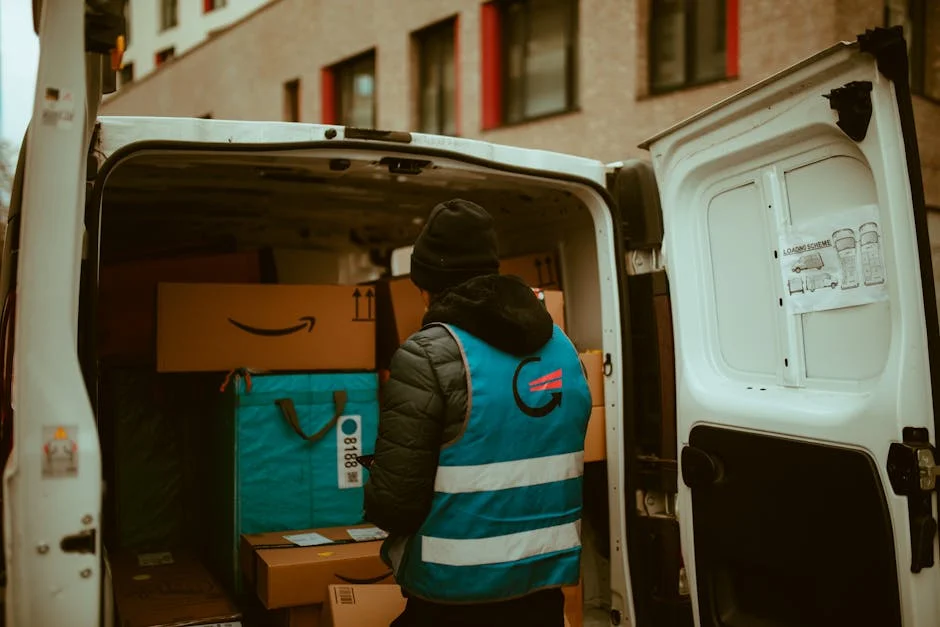
This development is crucial for investors watching the retail sector. Speed is no longer a luxury; it is becoming a baseline requirement. Companies that fail to match this velocity may find their inventory aging while competitors sell the same goods at a premium. The financial implications for supply chain efficiency are profound.
Market analysts view this as a direct challenge to the dominance of same-day delivery options offered by rivals like Walmart and Target. However, Amazon’s integration of grocery, electronics, and household essentials under one rapid-delivery umbrella creates a unique competitive moat. The stakes are high for any business relying on the "next-day" standard.
Impact on Local Retailers


Local businesses in cities like New York, Chicago, and Los Angeles face a new level of competition. These retailers often struggle with overhead costs that national giants can absorb. Amazon’s ability to offer low prices with high speed forces local shops to rethink their value propositions. They must offer experiences or products that cannot be easily digitized.
The pressure on brick-and-mortar stores intensifies as consumers prioritize convenience. A neighborhood grocery store must now compete with an app that delivers fresh produce in 30 minutes. This dynamic forces local owners to invest heavily in technology or form strategic partnerships. Without adaptation, many may face consolidation or closure.
Investors should monitor the earnings reports of regional retail chains closely. Margins may compress as these companies spend more on logistics to keep up. The shift in consumer behavior towards rapid delivery could lead to a revaluation of retail real estate assets. High-street locations might become less valuable if foot traffic dwindles.
Supply Chain Strains
The logistics behind 30-minute delivery are complex and costly. Amazon must maintain dense networks of micro-fulfillment centers close to urban hubs. This requires significant capital expenditure and real estate strategy. The efficiency of these hubs determines the profitability of the service.
Truck drivers and last-mile couriers face increased demand and tighter schedules. Labor costs may rise as companies compete for skilled workers in key metropolitan areas. The human element of the supply chain remains a critical variable in this technological race. Any disruption can quickly translate into higher prices for consumers.
Investor Perspectives on Market Share
For shareholders, Amazon’s expansion into hyper-fast delivery signals confidence in consumer spending power. It suggests that the market is ready to pay a premium for immediacy. This trend supports the valuation of tech-heavy retail stocks. Investors are looking for companies that can scale this model efficiently.
The competition for market share is likely to trigger a wave of mergers and acquisitions. Smaller logistics firms may become attractive targets for larger players seeking to bolster their last-mile capabilities. This activity could reshape the landscape of the delivery industry. Strategic alliances between retailers and tech firms may also emerge.
Risk remains a factor for investors. The high cost of maintaining such rapid delivery networks can erode profit margins if volume does not increase proportionately. Amazon must balance speed with cost-efficiency to satisfy Wall Street. Any misstep in pricing or logistics could lead to a correction in stock prices.
Consumer Behavior Shifts
Consumers are adapting their shopping habits to fit the 30-minute window. This leads to more frequent, smaller purchases rather than one large weekly shop. This behavior changes inventory turnover rates for retailers. It also increases the frequency of packaging waste and delivery traffic.
The psychological impact of speed is significant. When delivery is nearly instantaneous, the "wait time" for satisfaction decreases. This can lead to higher customer loyalty if the experience is consistent. However, it also raises the tolerance for errors. A missed 30-minute window can be more frustrating than a missed next-day delivery.
Marketers must adjust their strategies to align with this faster pace. Promotions and flash sales become more effective when the reward is immediate. Digital advertising needs to target consumers at the precise moment of impulse. The integration of data analytics will be key to predicting these moments.
Economic Implications for Cities
Urban centers will see an increase in delivery vehicles on the roads. This has implications for traffic congestion and local infrastructure. City planners may need to introduce dedicated loading zones or curbside management systems. The environmental impact of frequent small deliveries also comes into focus.
The local economy benefits from the influx of logistics jobs. Warehouses and distribution centers create employment opportunities in suburban and urban fringes. However, these jobs may not always offer the stability of traditional retail positions. The gig economy aspect of last-mile delivery continues to grow.
Tax revenues for local governments may increase as online sales capture a larger share of the market. Sales tax collection mechanisms are becoming more sophisticated. This provides cities with more funds for public services, potentially offsetting some infrastructure costs. The balance between growth and congestion management is a key policy challenge.
Future of Logistics Technology
Amazon is likely to continue investing in automation to reduce costs. Drones and autonomous vehicles are part of the long-term vision for last-mile delivery. These technologies promise to further reduce the reliance on human labor. However, regulatory hurdles remain a significant barrier to widespread adoption.
Artificial intelligence plays a crucial role in predicting demand and optimizing routes. Machine learning algorithms analyze consumer behavior to position inventory closer to buyers. This predictive capability is what makes 30-minute delivery economically viable. Competitors must invest heavily in data infrastructure to keep pace.
The integration of smart home devices with delivery services could streamline the process further. Customers might receive notifications and unlock doors for deliveries automatically. This seamless experience enhances convenience but raises privacy concerns. Balancing data usage with consumer trust is an ongoing challenge.
Environmental Sustainability
The environmental cost of speed is a growing concern. More deliveries mean more carbon emissions from vehicles. Amazon has committed to using electric delivery vans to mitigate this impact. The transition to green logistics is essential for long-term brand reputation.
Packaging waste is another issue. Reusable containers and minimal packaging solutions are being tested. Consumers are increasingly aware of the environmental footprint of their purchases. Companies that fail to address sustainability may face backlash from eco-conscious buyers.
What to Watch Next
Investors and businesses should monitor Amazon’s expansion timeline for the Amazon Now service. The rollout to new cities will test the scalability of the model. Watch for announcements regarding partnerships with local retailers to integrate their inventory. These collaborations could accelerate market penetration.
Keep an eye on regulatory actions in major cities regarding delivery traffic. New policies could impact the cost structure of last-mile delivery. Additionally, monitor the earnings reports of key competitors to see how they adjust their pricing strategies. The next six months will reveal whether this speed war is sustainable for all players involved.
See Also
- UK Food Inflation Triggers One-Pan Dinner Surge
- Paul Scholes Demands Man Utd Sign Mainoo Partner — Market Ripples