The second-largest megatsunami ever recorded has struck the Alaskan coast, sending shockwaves through global financial markets and exposing critical vulnerabilities in international trade routes. This catastrophic geological event, confirmed by the United States Geological Survey, has triggered immediate re-evaluations of risk models held by major insurers and logistics firms. Investors are already reacting to the disruption, with shipping indices in Tokyo and London showing early signs of volatility.
The scale of the wave, measured at over 50 meters at its peak, has forced port authorities in Anchorage to declare a state of emergency. The immediate economic impact is visible in the halting of cargo operations across the Bering Strait, a key artery for energy and raw material exports. Markets are pricing in the potential for prolonged delays, with analysts warning that the ripple effects could extend well beyond the immediate coastline.
Immediate Market Reactions and Investor Sentiment
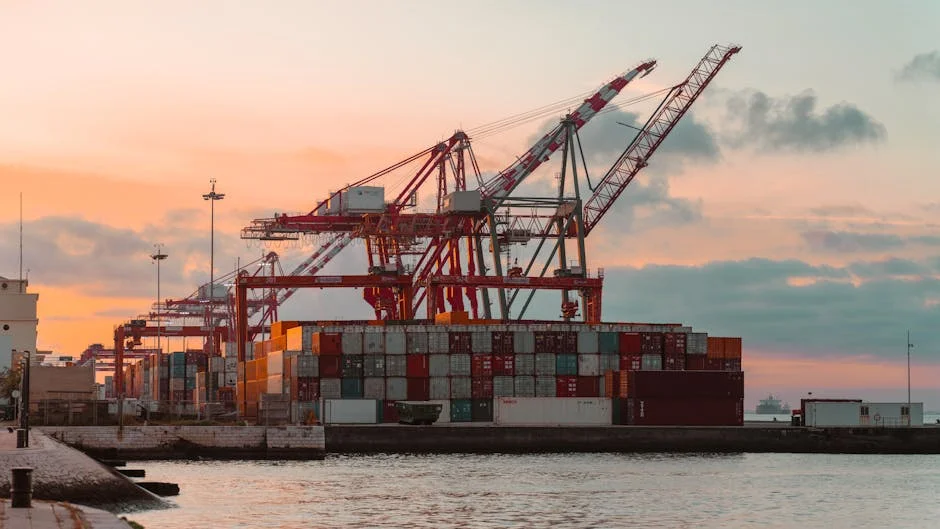
Financial markets responded swiftly to the news, with the energy sector leading the initial sell-off. Oil futures, particularly those tied to Alaskan North Slope production, saw a sharp decline as traders assessed the condition of offshore rigs and pipeline infrastructure. The uncertainty surrounding the exact state of the Trans-Alaska Pipeline System has created a premium on crude oil, driving prices up by nearly 4% in early trading sessions in New York.
Insurance companies are facing a potential wave of claims that could strain reserves across the sector. Major underwriters in London and Zurich are already reviewing their exposure to the Pacific Northwest and Alaskan regions. The event serves as a stark reminder of the underpricing of geological risks in an era of climate change. Investors in reinsurance stocks are watching closely, anticipating a correction in premiums for coastal properties and infrastructure projects.
The broader equity market has shown resilience but with increased volatility. Technology stocks, heavily reliant on just-in-time supply chains passing through the Pacific, have seen modest gains as investors bet on a surge in demand for logistics software and alternative routing solutions. However, the long-term impact on corporate earnings remains uncertain, depending on how quickly ports can resume full capacity.
Disruption to Global Supply Chains


The Alaskan megatsunami has exposed the fragility of the global supply chain, particularly for goods transiting through the Pacific. The disruption affects not just local businesses in Alaska but also manufacturers in Asia and consumers in Europe. Shipping lines are already rerouting vessels around the Cape of Good Hope, adding weeks to delivery times and increasing fuel costs for major carriers.
Key commodities such as copper, zinc, and natural gas are facing immediate supply constraints. Mining operations in the region, which contribute significantly to the global supply of these metals, have paused production to assess infrastructure damage. This pause could lead to price spikes in the commodities market, affecting everything from electronics manufacturing to construction projects in London and Berlin.
Logistics firms are scrambling to adjust their schedules, with some announcing surcharge fees for shipments passing through the affected zones. The uncertainty is causing buyers to delay orders, creating a bottleneck that could persist for months. This disruption highlights the need for greater diversification in supply chain strategies, moving away from over-reliance on single geographic corridors.
Impact on Energy Markets
The energy sector is under particular pressure, with the Alaskan oil fields contributing approximately 3% of the United States' daily crude oil production. Any prolonged disruption to the Prudhoe Bay fields could tighten global supply, especially if the Middle East remains politically stable. Traders are closely monitoring the output levels from the North Slope, with any further news likely to cause significant price fluctuations.
Natural gas exports, which are increasingly important for the global energy mix, are also at risk. The liquefied natural gas terminals in the region may face operational delays due to power outages and infrastructure damage. This could impact energy prices in Europe and Asia, where demand remains robust. The event underscores the interconnectedness of global energy markets and the vulnerability of key production hubs.
Shipping and Logistics Adjustments
Major shipping companies are implementing contingency plans to mitigate the impact of the Alaskan disruption. Maersk and MSC have announced alternative routes, which will increase transit times and costs. These adjustments are already being reflected in the Baltic Dry Index, a key indicator of global shipping costs, which has seen a steady climb in the days following the tsunami.
The disruption also affects the movement of agricultural products, with wheat and barley exports from the Pacific Northwest potentially facing delays. This could have downstream effects on food prices globally, particularly in regions that rely heavily on imports from the Americas. Supply chain managers are advised to monitor developments closely and adjust inventory levels accordingly.
Economic Resilience and Infrastructure Investment
The Alaskan megatsunami has sparked a debate on the need for greater investment in infrastructure resilience. Experts argue that the current state of coastal defenses and transportation networks is insufficient to handle extreme geological events. This event may accelerate government spending on infrastructure projects, particularly in vulnerable regions along the Pacific Rim.
Investors are looking at opportunities in infrastructure construction and engineering firms that stand to benefit from increased spending. Companies involved in bridge building, port expansion, and pipeline maintenance are likely to see a boost in orders. The long-term economic impact could be positive for these sectors, as governments prioritize resilience in their capital expenditure plans.
The event also highlights the importance of data-driven decision-making in infrastructure planning. Advanced modeling and real-time monitoring systems can help mitigate the impact of future events. Technology firms specializing in geospatial data and predictive analytics are well-positioned to capture this growing market. Investors should consider the potential for growth in this sector as governments and businesses seek to enhance their resilience.
Insurance Sector Re-evaluation
The insurance industry is facing a critical moment of re-evaluation following the Alaskan megatsunami. The scale of the damage, combined with the complexity of the claims process, is likely to lead to higher premiums for coastal properties and businesses. This trend is expected to spread to other regions with similar geological risks, such as Japan and Chile.
Reinsurers are particularly exposed, as they provide coverage for primary insurers who may face a surge in claims. The event could lead to a tightening of underwriting standards, making it more expensive for businesses to secure coverage. This could have a dampening effect on investment in coastal regions, as companies weigh the cost of insurance against the potential for disruption.
Investors in the insurance sector should monitor the earnings reports of major players in the coming months. Any indication of higher claims ratios or increased reinsurance costs could lead to a correction in stock prices. However, companies that have diversified their portfolios and invested in risk modeling technology may emerge stronger from the event.
Long-Term Economic Implications
The long-term economic implications of the Alaskan megatsunami are still unfolding, but the initial signs point to a period of adjustment and adaptation. Global trade patterns may shift, with companies seeking to diversify their supply chains and reduce reliance on the Pacific route. This could lead to increased investment in alternative transportation corridors, such as the Panama Canal and the Suez Canal.
The event also has implications for the global economy, as it highlights the interconnectedness of markets and the vulnerability of key production hubs. Policymakers are likely to respond with measures to support affected industries and stabilize markets. This could include fiscal stimulus packages, tax incentives, and regulatory changes aimed at enhancing resilience.
Investors should remain cautious but opportunistic, looking for companies that are well-positioned to benefit from the changes in the economic landscape. This includes firms involved in infrastructure construction, logistics, and technology. The Alaskan megatsunami is a wake-up call for the global economy, highlighting the need for greater resilience and adaptability in the face of uncertainty.
The United States Department of Commerce is expected to release a comprehensive report on the economic impact of the tsunami within the next two weeks. This report will provide valuable insights into the scale of the disruption and the likely duration of the effects. Investors and businesses should monitor this report closely, as it will guide strategic decisions in the coming months.
See Also
- Biovac Expands Vaccine Production — 1,300 Jobs to Boost South Africa’s Economy
- Alexx Ekubo Death Shakes Nollywood Revenue Streams
The event also highlights the importance of data-driven decision-making in infrastructure planning. The event also has implications for the global economy, as it highlights the interconnectedness of markets and the vulnerability of key production hubs.
What is the latest news about alaska tsunami triggers global supply chain shock?
Why does this matter for science?
What are the key facts about alaska tsunami triggers global supply chain shock?