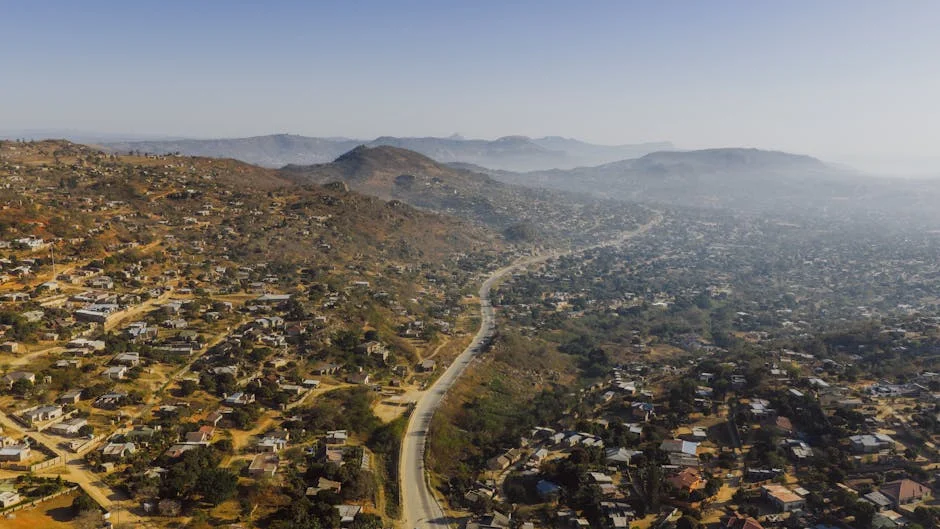
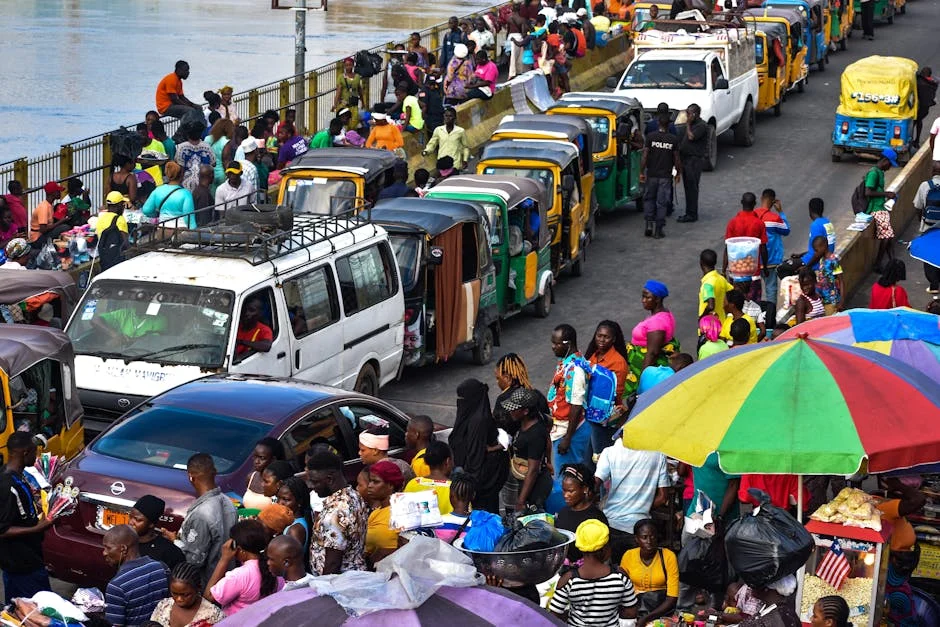
Democratic Republic of Congo authorities have imposed stricter travel rules as Ebola case numbers climb sharply, triggering concern across Central African markets and supply chains that remain fragile from recent disruptions. The Ministry of Health confirmed the new restrictions affect movement between affected provinces and neighbouring countries, with border checkpoints now requiring additional medical documentation for all travellers. Officials say the measures aim to contain transmission, but businesses operating across the region are already reporting delays and rising costs.
Rapid Escalation Forces Government Hand
The Congolese government announced the travel tightening after health officials recorded a significant rise in confirmed cases over a three-week period. Authorities in Kinshasa have deployed additional personnel to major transit hubs, including the riverside crossings near Kisangani and the land borders with Uganda and Rwanda. The World Health Organisation said its emergency response teams were working alongside local ministries to trace contacts and isolate clusters. Local media reported queues of several kilometres at some checkpoints as travellers struggled to complete the new paperwork requirements.
Trade Routes Feel the Strain


Cross-border commerce is taking an immediate hit. The DRC is a major exporter of cobalt, coltan, and copper, with supply chains running through Uganda and Tanzania before reaching Asian markets. Transport firms сообщили that average journey times had increased by up to 18 hours due to health screenings and document checks. Regional trucking associations warned that perishable goods, particularly agricultural exports from the eastern highlands, faced heightened spoilage risks. The increased friction at borders threatens to disrupt the just-in-time delivery schedules that mining companies and manufacturers rely upon.
Business Operations Face Fresh Headwinds
Companies with operations in the DRC are reassessing staffing and logistics plans. International mining firms with workforce rotations dependent on air links and road transport expressed concern about maintaining production targets. Humanitarian organisations already operating in the region told local media that supply deliveries for existing programmes were being delayed. Insurance underwriters noted a rise in enquiries about coverage for business interruption linked to epidemic-related disruptions. Smaller enterprises along the border corridor face the sharpest impact, with limited cash reserves to absorb additional compliance costs or delays.
Investor Confidence Takes a Hit
Financial markets in East and Central Africa reacted cautiously to the news. Shares in regional logistics firms dipped during early trading as analysts factored in higher operating costs. The Kenyan shilling and Ugandan shilling both weakened slightly against the dollar, reflecting currency flows away from higher-risk frontier markets. Fund managers with exposure to DRC-listed companies said they were monitoring the situation closely before adjusting positions. The uncertainty arrives as several mining exploration firms were preparing capital raises for projects in the copperbelt.
Economic Impact on Local Communities
Communities near the border crossings report that informal trade has slowed considerably since the new rules took effect. Market traders in Goma, the lakeside city that sits on the Rwanda border, described losing significant income as cross-border shoppers stayed home. The informal economy in this part of the DRC relies heavily on daily movement across the frontier for small-scale commerce. Local currency dealers said exchange volumes had fallen, suggesting reduced economic activity. Small shop owners сообщили that they were burning through savings faster than anticipated.
Neighbouring Countries Monitor the Situation
Uganda and Rwanda have both heightened surveillance at their own borders in response to the Congo measures. The Uganda Revenue Authority said it was co-ordinating with health officials to avoid creating bottlenecks while maintaining screening protocols. Aviation authorities in Kigali held discussions with airlines about adjusting flight schedules if passenger numbers fall sharply. Regional economic blocs held emergency video conferences to align responses and avoid fragmented approaches that could further disrupt trade. The East African Business Council said it was seeking clarity from governments on how long the restrictions would remain in place.
Healthcare Costs Mount for All Sides
The outbreak is draining resources across multiple countries. Congo's health ministry allocated emergency funding to treatment centres in North Kivu and Ituri provinces, where the majority of cases are concentrated. International donors face competing demands as other health emergencies continue globally. Medical supply chains for basic protective equipment have tightened, with prices rising at wholesale markets in Nairobi and Kampala. Private hospitals in the region have started stockpiling essentials, diverting resources from other medical services.
What Comes Next
Health officials expect the new travel measures to slow transmission, but warn that case numbers could continue rising for several more weeks before the curve flattens. The government has set a review date for the restrictions in 30 days, though officials acknowledged the timeline depends on how effectively contact tracing progresses. Businesses and investors will be watching that review closely. Regional aviation regulators are scheduled to meet next week to assess whether coordinated border protocols could reduce disruption while maintaining public health protections. Markets are likely to remain sensitive to any sign that the outbreak is spreading beyond its current geographic footprint.
See Also
- Competition Commission Triggers Tribunal Showdown for MultiChoice and Altech
- DR Congo Demands World Cup Refunds After Ebola Hits
Congo's health ministry allocated emergency funding to treatment centres in North Kivu and Ituri provinces, where the majority of cases are concentrated. Economic Impact on Local Communities Communities near the border crossings report that informal trade has slowed considerably since the new rules took effect.
What is the latest news about congo tightens border controls as ebola cases surge economies brace?
Why does this matter for science?
What are the key facts about congo tightens border controls as ebola cases surge economies brace?