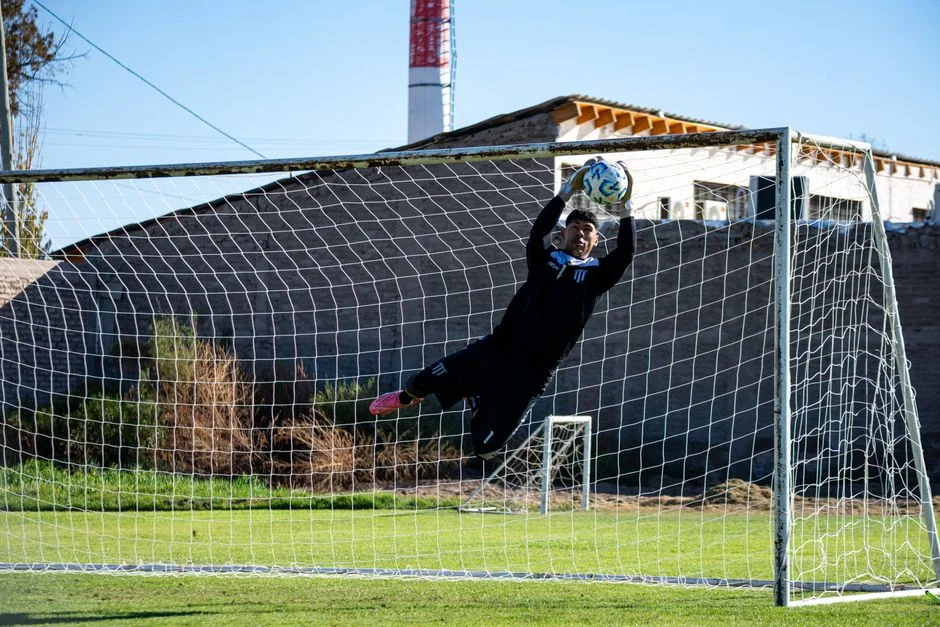
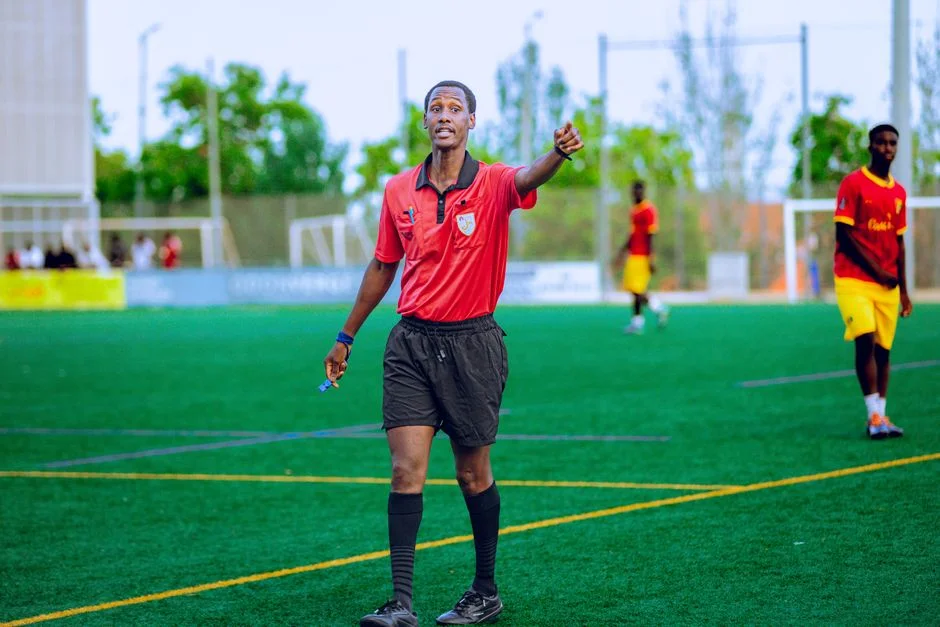
Senegal's World Cup campaign suffered a devastating blow on Thursday when Belgium scored twice in stoppage time to complete a remarkable comeback in Doha. The match had seen Senegal dominate for 87 minutes before Belgium's late surge shattered hopes of three points. For investors and businesses tracking Africa's sporting economy, the result carried consequences far beyond the pitch.
Dominance Turned to Dust
Senegal had controlled the contest from the first whistle at Lusail Stadium. Their defensive discipline frustrated Belgium's ageing midfield, while quick transitions exposed gaps in the European side's back line. The African champions took the lead through a 33rd-minute penalty and looked capable of holding on. Then, with 93 minutes on the clock, Belgium struck twice in stoppage time, leaving Senegal's supporters in disbelief and sending shockwaves through global betting markets that had heavily backed the underdogs.
Markets React to the Upset

The financial fallout extended well beyond disappointed fans. Pre-match odds had favoured Belgium, but substantial wagers had backed Senegal after their impressive group-stage performance. UK-based bookmakers reported significant liabilities as the match unfolded, with some firms estimated to have held over £50 million in bets tied to the result. The late equaliser triggered a cascade of in-play betting losses, as automated systems had adjusted odds in real-time throughout the second half.
Betting Industry Exposure
Industry sources suggested that major UK operators faced combined losses in the high tens of millions of pounds. The result represented one of the largest sporting upsets of the tournament from a financial perspective. Match-fixing investigators confirmed no suspicious betting patterns emerged, attributing the market movement purely to the dramatic nature of the contest.
Senegal's Economic Stake
For Senegal, the defeat carries tangible economic weight beyond mere sporting disappointment. Qualification for the knockout stages would have unlocked additional FIFA prize money, with advancing past the group phase worth approximately £3 million to the national federation. The country's sports ministry had projected that continued participation would boost tourism revenue and domestic consumption during the tournament period. Local businesses in Dakar, particularly hotels and hospitality venues, had prepared for extended stays by the national team and travelling supporters.
What Belgium's Win Signals
Belgium's victory keeps their own financial interests alive. Each round of advancement adds to the prize pool, while continued participation maintains the marketing value of featuring players from clubs across the English Premier League, where several Belgian stars ply their trade. Corporate sponsors with agreements tied to player visibility stand to benefit from extended screen time.
Broader Sporting Economy
The match underscored the growing intersection between sports outcomes and financial markets. Algorithmic trading firms now monitor major sporting events in real-time, adjusting positions across related securities and derivatives. Trading volumes in sports-focused exchange-traded funds showed elevated activity during the final ten minutes of the match, as algorithms anticipated the shift in momentum.
Looking Ahead
Senegal must now regroup ahead of their final group fixture against the Netherlands on Tuesday. The Netherlands currently sit top of Group A with three points, while Senegal and Ecuador each have three points heading into the closing round of matches. Financial traders will watch the result closely, as the knockout-stage matchups depend on how the group concludes. For businesses with exposure to West African markets, the psychological impact of the defeat on consumer confidence in Senegal may take weeks to fully assess.
See Also
- Themba Mathibe Struck From Roll — Courts Face Due Process Scrutiny
- UK Businesses Brace as Rare Blue Moon Ignites Market Speculation This Weekend
What is the latest news about senegals late collapse costs bettors millions as belgium stages comeback?
Why does this matter for technology?
What are the key facts about senegals late collapse costs bettors millions as belgium stages comeback?