Spain's pioneering plan to develop the world's first industrial octopus farm near the Canary Islands has been halted, reigniting ethical debates over the farming of these intelligent marine creatures. Nueva Pescanova, the fisheries giant behind the proposal, had aimed to invest €65 million in creating a processing plant to produce 3,000 tonnes of octopus annually by 2025. However, the plan's suspension highlights ongoing concerns about the ethical implications of farming octopuses and their impact on marine ecosystems.
Industrial Plan Faces Ethical and Environmental Roadblocks
Nueva Pescanova, Spain's largest fisheries company, announced the ambitious project in 2022, setting its sights on industrial-scale octopus farming near Las Palmas, Gran Canaria. The project was seen as a move to meet growing global demand for octopus meat, which is highly prized in various cuisines. Yet, despite the financial backing and potential market, the project has encountered significant ethical and environmental opposition.
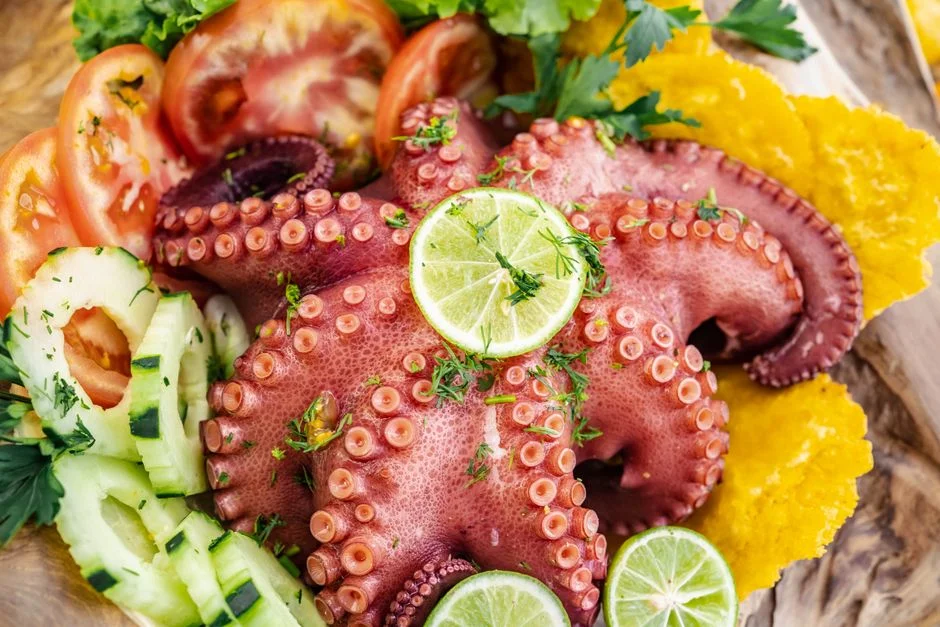
The key issue revolves around the nature of octopuses themselves. These cephalopods are famed for their high intelligence, problem-solving skills, and complex behaviours. Such characteristics have led scientists and animal rights advocates to argue that farming octopuses could cause undue suffering. Unlike livestock traditionally farmed, octopuses are solitary animals, potentially making them unsuitable for high-density farming conditions.
Environmentalists have also raised concerns about the sustainability of the farm. Questions arose regarding the ecological impact of such an enterprise on local marine life, with fears that waste and feed from the farm could disrupt the existing ecosystem around the Canary Islands. Furthermore, critics argue that exploitation of wild populations for broodstock and food for farmed octopuses could further threaten marine biodiversity.
Nueva Pescanova's decision to press pause on the project comes amid mounting pressure from international animal welfare organisations and environmental groups. They have argued that the ethical costs of such a venture far outweigh potential economic benefits. These groups have advocated for alternative solutions that do not involve the industrial farming of intelligent and complex marine life.
Debate Over Sustainable Practices Intensifies


The suspension of the project has triggered a broader debate over sustainable and ethical food production practices in Spain and beyond. The controversy over octopus farming is not an isolated case but reflects a growing global awareness of ethical food consumption trends. As more consumers become conscious of the origins and production processes of their food, there is an increasing demand for transparency and ethically sourced products.
In the broader context, Spain's halted octopus farm plan mirrors challenges faced by other regions attempting to balance economic interests with environmental and ethical concerns. The conversation often zeroes in on the question of whether current commercial practices can be adjusted to meet ethical standards without sacrificing business viability.
Animal rights organisations are calling for stricter regulations and oversight of marine farming operations to ensure animal welfare is prioritised. They argue that the unique intelligence and behaviour patterns of octopuses place them in a category of animals that require special ethical consideration. This debate is further fuelled by recent studies on octopus cognition, which suggest these creatures experience a wide range of emotions and have complex nervous systems.
While Nueva Pescanova has not completely abandoned the project, the halt marks an opportunity for broader reflection on the future of food production and the feasibility of octopus farming. The fisheries giant has expressed a commitment to re-evaluating its approach in light of public concerns, aiming to align its practices with evolving ethical standards.
Future of Octopus Farming and Alternatives
As the world grapples with rising food demands and environmental sustainability challenges, the octopus farming dilemma highlights the complexity of advancing agricultural technology while respecting ethical boundaries. The need for innovative solutions is clear, and alternative methods of producing seafood that minimize environmental and ethical repercussions are gaining traction.
Some advocates propose that instead of investing in controversial farming practices, resources should focus on enhancing ocean conservation and fisheries management. Improving sustainable fishing practices and protecting marine habitats could bolster natural octopus populations without resorting to industrial farming. In addition, advancements in plant-based and lab-grown seafood alternatives provide potential paths forward for meeting seafood demand ethically.
The Spanish government's role in regulating such ventures is also under scrutiny. As public interest in animal welfare and sustainable practices continues to grow, there may be increased pressure on policymakers to draft comprehensive legislation that addresses these concerns. Striking a balance between innovation, economic growth, and ethical responsibility will be crucial for future developments in this sector.
Looking ahead, the suspension of the octopus farm project serves as a critical juncture for Spain and the global community. It invites stakeholders to reimagine the future of food production and challenge existing norms. Ultimately, how this debate unfolds could set a precedent for other countries considering similar ventures, influencing international standards for animal welfare and environmental stewardship.
Watch this space for updates on the developments concerning Nueva Pescanova's project and other initiatives within the seafood industry. As consumer awareness and advocacy efforts continue to shape the narrative, future steps will likely hinge on balancing economic ambitions with ethical and environmental imperatives.
Exploring Octopus Cognition: A Case for Ethical Consideration
Understanding the cognitive abilities of octopuses is crucial in the ethical debate surrounding their farming. Octopuses are renowned for their intelligence, often compared to that of vertebrates like dogs or even primates. This intelligence is demonstrated through their problem-solving abilities, use of tools, and capacity to escape enclosures, which makes them unique among invertebrates.
Recent research has shed light on the complex nervous system of octopuses, which rivals that of some mammals. Unlike mammals, however, octopuses possess a decentralized nervous system with two-thirds of their neurons located in their arms, allowing them to process information and react independently. This unique neural architecture has led scientists to question the impact of confinement on their well-being, as octopuses might experience stress differently from other farmed animals.
Moreover, studies have suggested that octopuses can experience a range of emotions, including stress and possibly even joy, which further complicates the ethical considerations of farming them. The capacity for such emotional experiences, coupled with their solitary nature, raises significant concerns about the potential suffering these creatures could endure in crowded farming conditions.
Animal rights advocates argue that subjecting such intelligent creatures to the stresses of farming is ethically questionable. They call for a reevaluation of how society views and treats animals with advanced cognitive abilities, suggesting that octopuses should be afforded protections similar to those given to other intelligent species.
These findings have sparked a broader discussion about the moral responsibilities humans have towards animals in agriculture. As the understanding of animal cognition evolves, there is a growing call to integrate these insights into ethical farming practices, ensuring that the welfare of animals is a priority rather than an afterthought.
Technological Innovations: A Look at Alternatives
With the suspension of Nueva Pescanova's project, there is an increased focus on alternative technologies that could meet seafood demand without ethical compromise. One promising avenue is the development of lab-grown or cell-cultured seafood. This technology involves cultivating animal cells in a controlled environment to produce meat without the need to farm live animals, potentially offering a solution to the ethical dilemmas associated with traditional aquaculture.
Lab-grown seafood not only addresses ethical concerns but also promises environmental benefits. It could significantly reduce the carbon footprint associated with seafood production, minimize the need for ocean fishing, and decrease the pressure on wild populations. While still in its early stages, this technology is rapidly advancing, with several companies already producing prototypes of cell-cultured fish and seafood.
Another alternative gaining traction is plant-based seafood, which mimics the taste and texture of ocean fare. This option is already available in some markets, offering consumers a sustainable and cruelty-free alternative to traditional seafood. Innovations in food technology are continuously improving these products, making them more appealing and accessible to a broader audience.
These alternatives highlight the potential for technology to provide solutions that align with ethical standards while still fulfilling consumer demand. As these technologies evolve and scale up, they might play a critical role in redefining the seafood industry, offering pathways to meet the world's growing food needs sustainably.
Policy and Regulation: A Call for Comprehensive Frameworks
In light of the ethical and environmental challenges presented by octopus farming, there is a pressing need for comprehensive regulatory frameworks. Policymakers are increasingly called upon to create legislation that balances economic interests with ethical considerations. This involves not only setting standards for animal welfare in aquaculture but also promoting research into alternative food production methods.
The Spanish government's approach to regulating such ventures could serve as a model for other nations grappling with similar issues. By prioritizing sustainability and ethical responsibility, Spain has the opportunity to lead in setting international standards that reflect contemporary values and scientific understanding.
There is also a role for international cooperation in establishing guidelines that ensure the welfare of marine life in commercial farming settings. Global standards could help harmonize practices across borders, providing a consistent approach to animal welfare and environmental protection.
As public awareness grows and consumer preferences shift towards more ethical products, governments will likely face increased pressure to act. Ensuring that policies are informed by the latest scientific research and ethical considerations will be crucial to their success.
Ultimately, the outcome of Spain's octopus farming debate could influence global practices, setting a precedent for how countries address the complex interplay of ethics, economics, and the environment in food production. As such, stakeholders must remain engaged in these discussions, advocating for policies that reflect the best interests of both people and the planet.
See Also
- South African CISOs Launch Annual Cybersecurity Survey — Key Insights Await
- India's Oil Marketing Giants Race Back to Forex Markets — Dollar Rush Begins
This unique neural architecture has led scientists to question the impact of confinement on their well-being, as octopuses might experience stress differently from other farmed animals.Moreover, studies have suggested that octopuses can experience a range of emotions, including stress and possibly even joy, which further complicates the ethical considerations of farming them. The capacity for such emotional experiences, coupled with their solitary nature, raises significant concerns about the potential suffering these creatures could endure in crowded farming conditions.Animal rights advocates argue that subjecting such intelligent creatures to the stresses of farming is ethically questionable.