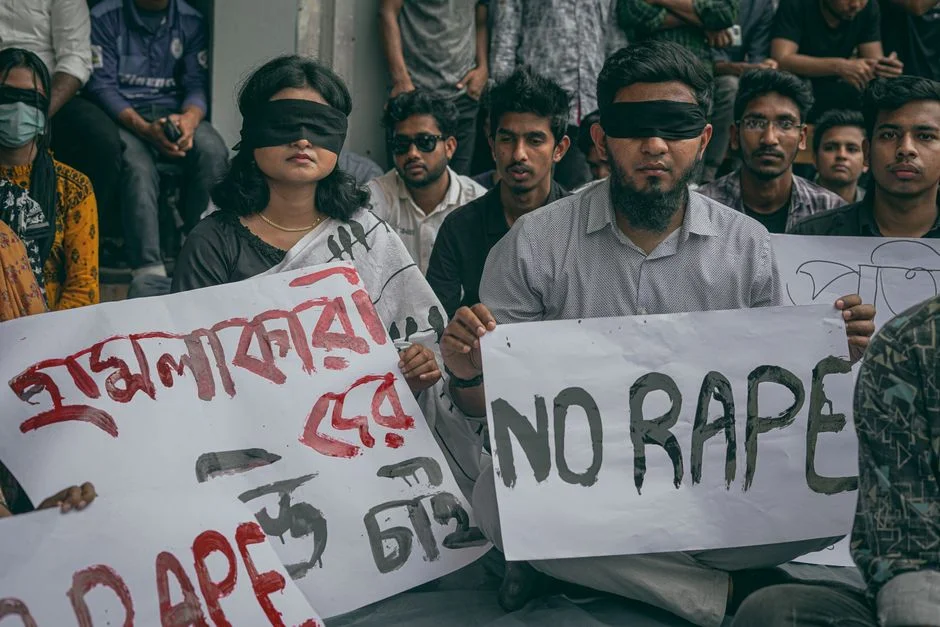
The Catholic Church has initiated another legal and diplomatic push against the Trump Administration to guarantee that detained migrants receive access to sacraments, marking a renewed effort to secure religious rights within federal detention facilities. This latest confrontation centres on the fundamental ability of detained individuals to participate in essential religious rites, such as confession and communion, which the Church argues are being systematically restricted by government protocols.
Immediate Facts and Key Actors
The dispute arises from specific administrative decisions made by the Trump Administration regarding the scheduling and supervision of clergy within detention centres. Church officials argue that these measures create unnecessary barriers for detained migrants seeking spiritual care, effectively limiting their ability to practice their faith freely. The Catholic Church is leveraging its historical precedent of advocating for the rights of displaced persons to demand immediate adjustments to these policies.
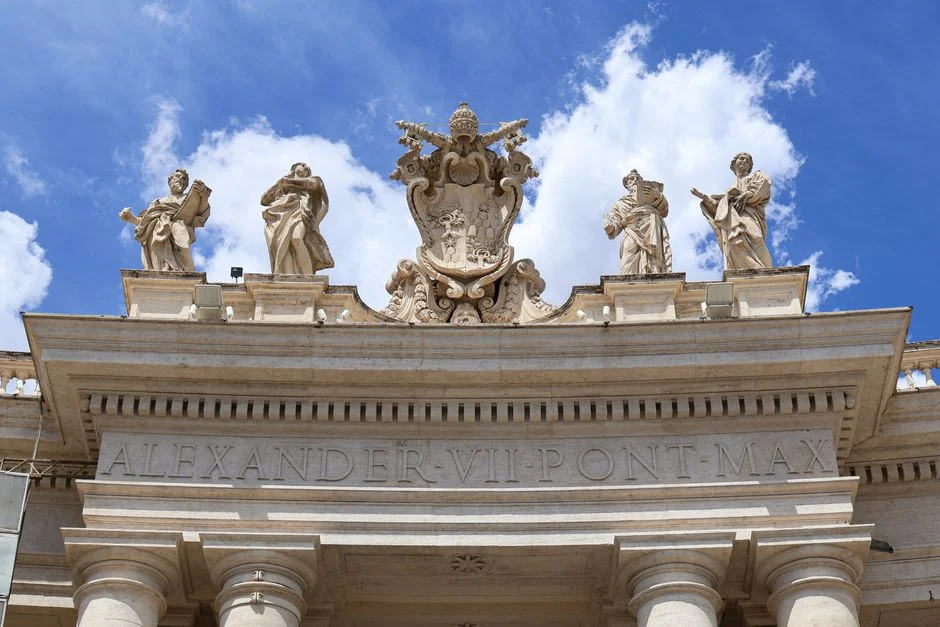
Key actors in this ongoing conflict include the Vatican’s diplomatic representatives and the Department of Homeland Security, which oversees many of the detention facilities. The Church is not merely requesting general permission for priests to enter but is seeking a structured guarantee that sacraments can be administered without excessive bureaucratic delay or interference. This specific demand highlights the tension between administrative efficiency and the religious freedoms of detainees.
The impact on the ground is immediate for thousands of migrants currently held in various facilities across the United States. Without clear guarantees, priests may face unpredictable restrictions on when they can visit, how long they can stay, or whether they can perform rites in private. This uncertainty affects the spiritual well-being of detainees who rely on these sacraments for comfort and identity during their displacement.
The Church’s approach combines legal arguments with public advocacy, aiming to pressure the administration into formalising these rights. By framing the issue as a matter of basic human dignity and religious liberty, the Church hopes to garner support from civil society groups and the broader public. This strategy ensures that the issue remains visible and is not buried within routine administrative adjustments.
Background and Competing Views
This is not the first time the Catholic Church has clashed with the Trump Administration over migrant rights. Previous battles have focused on family separations, asylum processing, and the overall treatment of detainees. The current focus on sacraments represents a shift towards the daily, lived experience of detainees, emphasising the importance of spiritual care in addition to physical sustenance and legal representation.
The Trump Administration has cited security and logistical concerns as reasons for tighter control over clergy access. Officials argue that managing large numbers of detainees requires strict protocols to ensure order and safety. However, the Church contends that these measures are often applied too broadly, denying even low-risk detainees their religious rights. This disagreement highlights a fundamental difference in how each side views the balance between security and liberty.
The broader context of this conflict is the ongoing debate over the treatment of migrants in the United States. As detention policies evolve, the role of religious institutions in providing aid and advocacy becomes increasingly critical. The Church’s involvement underscores the social consequences of these policies, affecting not just the detainees but also the communities that support them and the clergy who serve them.
Looking ahead, the outcome of this latest battle could set a precedent for how religious rights are handled in future detention scenarios. If the Church succeeds, it could lead to more formalised agreements between the government and religious organisations. If it fails, it may result in further legal challenges and increased public scrutiny of the administration’s migrant policies.
See Also

- Trump Ditches Iran Ceasefire, Fueling Market Uncertainty
- Filmmaker Meji Alabi Explores Biafran War's Legacy on Nigerian Economy