Iran’s top diplomat has dismissed concerns over the health of the country’s supreme leader, Ayatollah Ali Khamenei, after reports emerged that he had been hospitalised due to an undisclosed injury. The Foreign Minister, Hossein Amirabdollahian, stated there were “no problems” with the leader's condition, providing reassurance to international markets and investors.
The Diplomatic Standoff and Its Impact
The reported hospitalisation of Iran’s supreme leader caused some concern among global investors and businesses, particularly those with operations in the Middle East. The potential change in leadership could have significant implications for Iran’s foreign policy and its approach to trade and diplomacy. However, the quick dismissal by the Foreign Minister has helped to stabilise market sentiment.
The UK, which maintains close ties with the Middle East, saw a slight dip in its stock market following the initial reports, but the market quickly rebounded as the situation was clarified. This shows the interconnectedness of the global economy, where news from one region can influence financial markets across the world.
Economic Repercussions for the UK

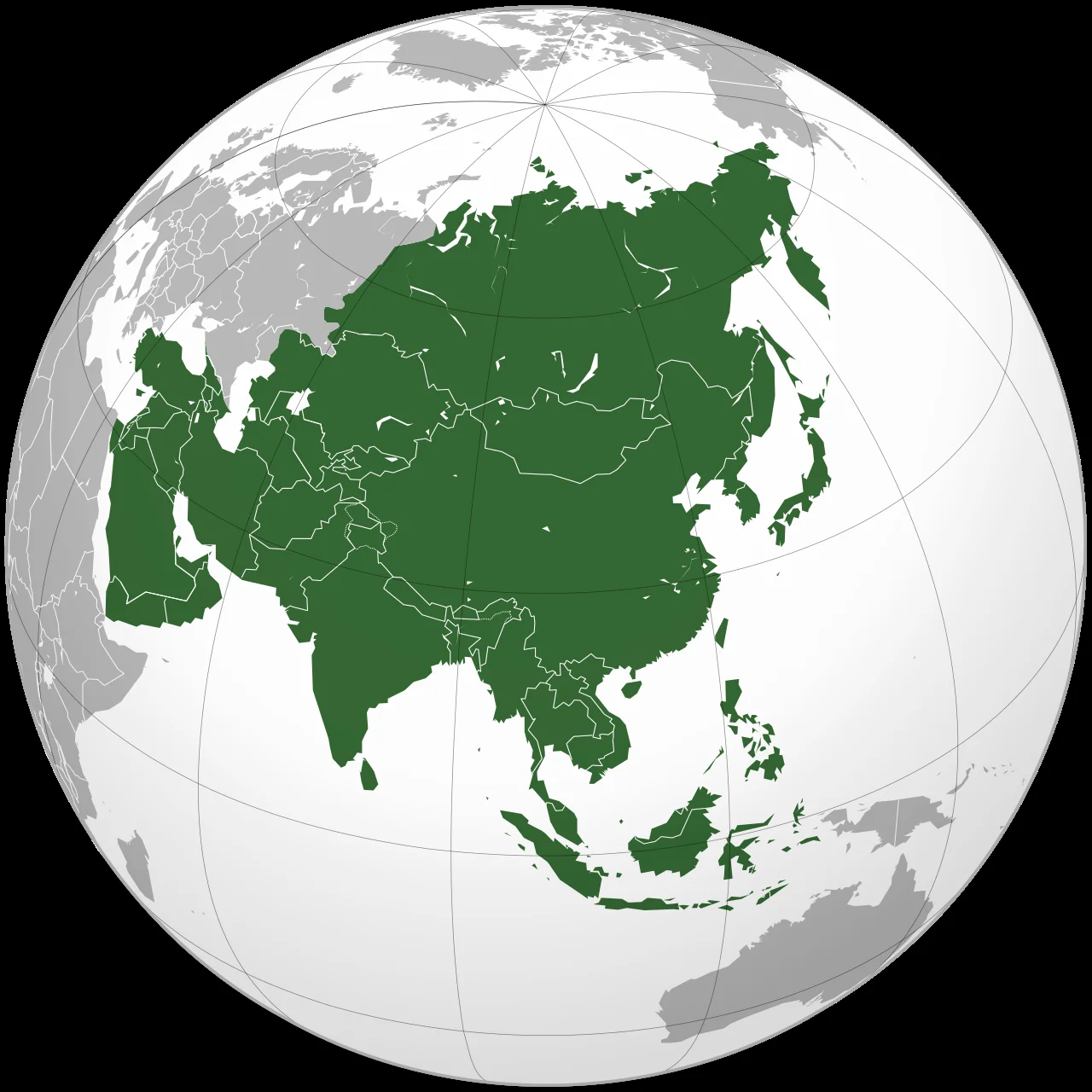
The UK economy benefits significantly from stable trade relationships with the Middle East, especially in sectors such as finance, energy, and manufacturing. Any uncertainty about Iran’s leadership structure could impact the flow of goods and services between the two regions, affecting the UK’s balance of trade.
Moreover, the UK is heavily dependent on Middle Eastern oil supplies, and any disruption in this supply chain due to political instability in Iran could cause fluctuations in oil prices. This would have a ripple effect on the UK’s inflation rates and cost of living.
Investor Confidence and Market Reactions
The swift clarification from Iran’s Foreign Minister boosted investor confidence, leading to a positive reaction in the UK’s financial markets. The FTSE 100 index showed a modest increase following the news, reflecting the relief felt by traders and analysts.
However, the situation remains closely watched by economists and financial analysts. They will continue to monitor Iran’s political climate for any signs of further changes that could impact the global economy.
Long-term Business Implications
The stability provided by the current leadership in Iran is crucial for long-term business planning. Companies operating in or looking to expand into Iran need a predictable political environment to make informed decisions about investments and partnerships.
The reassurance offered by the Foreign Minister’s statement helps to maintain a sense of normalcy in Iran’s dealings with international partners, including the UK. This stability encourages continued business activity and economic growth in both countries.
Looking Ahead
While the immediate concern over Iran’s supreme leader’s health has been alleviated, the situation remains fluid. Investors and businesses will keep a watchful eye on Iran’s political landscape, as any future developments could have far-reaching effects on global markets and trade relationships.
The UK, with its extensive commercial links to the Middle East, stands to benefit from continued stability in Iran. This not only supports the UK’s economic interests but also strengthens its position as a key player in international trade and diplomacy.