Classic football teams such as Manchester United and Liverpool face an uncertain future as Hacemos, the leading sports equipment manufacturer, struggles with significant financial difficulties. The news has sent shockwaves through the global sporting goods market, raising concerns about supply chains and the financial health of top clubs.
The Decline of Hacemos and Its Impact on Football
Hacemos, the Spanish company known for its high-quality football equipment, has seen a sharp decline in its financial performance over the past year. This decline has been attributed to several factors, including increased competition from Asian manufacturers and a weakening of the euro against major currencies. The company's stock price has dropped by more than 30% since the beginning of the year, reflecting investor concerns about its ability to maintain market share and profitability.
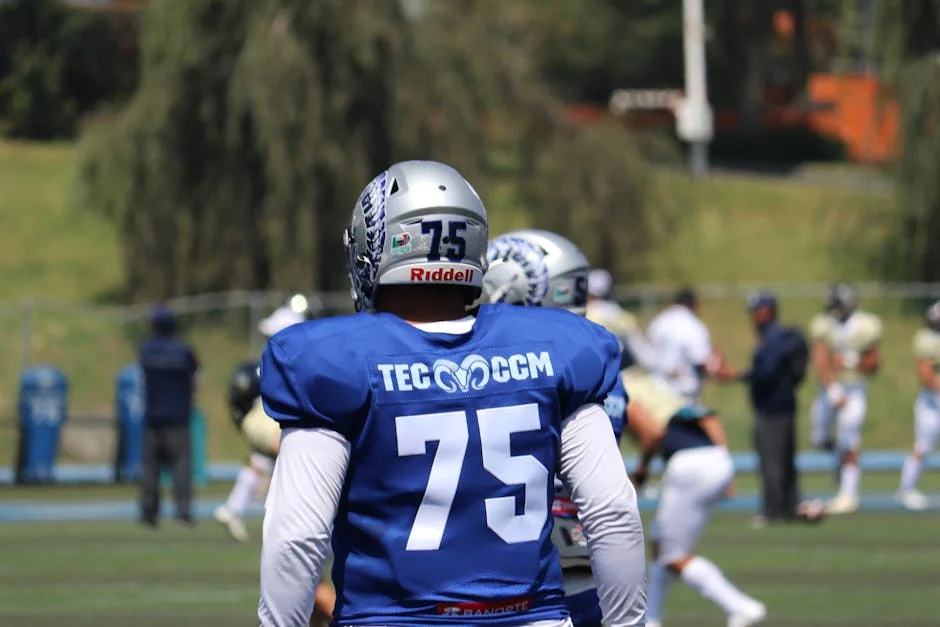
The impact on football clubs has been immediate. Many historic teams rely heavily on Hacemos for their matchday kits and training gear, and the financial instability of the supplier could lead to disruptions in the delivery of essential equipment. This not only affects the teams’ preparation but also the broader ecosystem of sports retail and sponsorship deals.
The Financial Health of Hacemos and Market Reactions

Analysts have expressed concern about Hacemos’s balance sheet, noting that the company’s debt levels are significantly higher than its cash reserves. This has led to downgrades from credit agencies, further pressuring the company’s ability to secure financing at favourable rates. The company’s main competitor, Adidas, has seen its stock rise as investors bet on a potential market share gain if Hacemos continues to struggle.
In the UK, where many historic football teams are based, the market reaction has been mixed. While some investors see opportunities for UK-based companies to fill the gap left by Hacemos, others worry about the potential disruption to long-standing supply relationships. The FTSE 100 index, which includes several large sporting goods retailers, has shown modest gains as investors look for resilience in the face of supply chain challenges.
Historic Teams at Risk Due to Supplier Troubles
Manchester United and Liverpool, two of the most iconic football clubs in the world, have been closely watching Hacemos’s fortunes. Both teams have longstanding contracts with the company, which provide them with a range of branded products for both home and away matches. The potential for supply chain issues has prompted both clubs to explore alternative suppliers and consider stockpiling equipment to mitigate risk.
Liverpool FC, in particular, has been vocal about its desire to maintain a strong relationship with Hacemos. The club’s CEO stated that they are “working closely” with the company to ensure continuity in their equipment supply. However, the CEO also noted that Liverpool will not hesitate to seek out new partnerships if necessary to protect their operations.
The Broader Economic Implications for the Sporting Goods Industry
The troubles faced by Hacemos have wider implications for the global sporting goods industry. Analysts predict that the company’s financial difficulties could lead to consolidation within the sector, with smaller competitors potentially being acquired or merging to strengthen their market positions. This trend could reshape the competitive landscape and create new opportunities for growth.
Moreover, the situation highlights the interconnected nature of global supply chains, particularly in the manufacturing sector. As Hacemos works to resolve its financial issues, there may be ripple effects across other industries that rely on similar supply relationships, such as automotive and electronics. This underscores the importance of robust financial management and diversification in maintaining stability in the face of economic uncertainty.
Looking Ahead: What’s Next for Hacemos and Historic Football Teams?
As Hacemos navigates its current financial challenges, the outlook for historic football teams remains somewhat uncertain. While many clubs have contingency plans in place, the potential for supply chain disruptions could still impact team performance and fan experience. Investors and market watchers will be closely following Hacemos’s progress, looking for signs of recovery or further difficulties that could shape the future of the global sporting goods market.
The historic teams, with their rich traditions and loyal fan bases, will continue to be closely watched as they adapt to changing conditions in the world of sports manufacturing. Whether Hacemos can recover and maintain its position as a leading supplier, or if new players emerge to take its place, will be crucial in determining the future of iconic football clubs and the broader sporting goods industry.