Quem Dá aos Pobres, a controversial social welfare initiative led by Brazil’s Ministry of Social Development, has triggered a wave of uncertainty across financial markets and investor confidence. The policy, which aims to redistribute wealth through direct cash transfers, has drawn sharp criticism from economic analysts and business leaders, particularly in the UK and EU. The reform, announced in late May, has already begun to impact trade relations and investment flows, with the Brazilian government insisting it will reduce inequality but critics warning of inflationary pressures and fiscal instability.
Policy Details and Immediate Reactions
The initiative, officially titled "Quem Dá aos Pobres," was launched by Brazil’s Minister of Social Development, Nabeiro, with the goal of providing monthly cash transfers to 12 million low-income families. The programme, funded by reallocating existing social spending, has been described by the government as a “critical step toward reducing poverty.” However, the abrupt implementation and lack of detailed fiscal planning have raised alarms among economists.
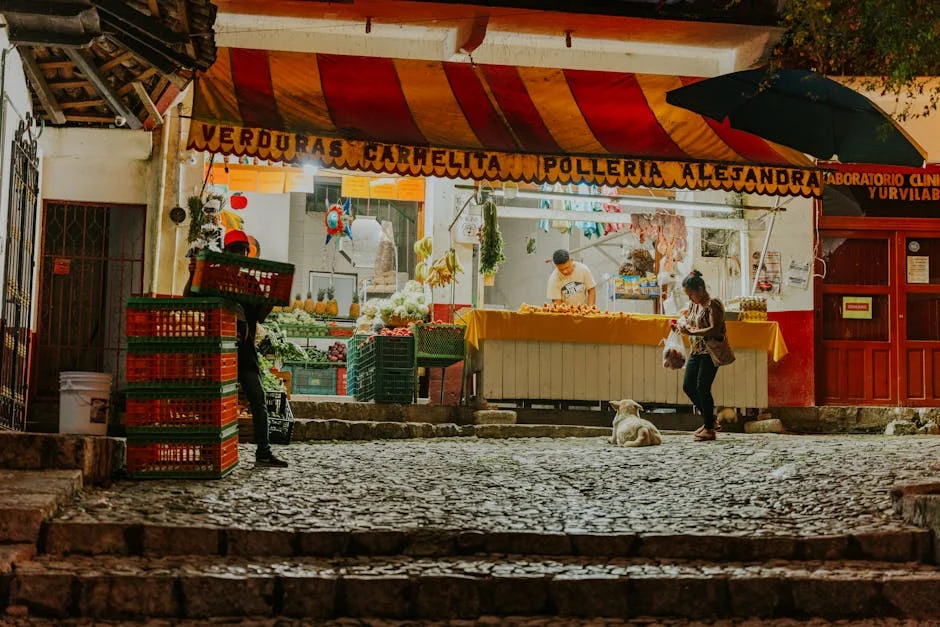
On May 28, the Brazilian Central Bank reported a 2.1% drop in foreign portfolio investment in the first week of the policy rollout, marking the largest outflow in over a year. Investors, particularly from the UK and Germany, have expressed concerns about the long-term sustainability of the programme, with some fearing it could lead to a devaluation of the real.
“This is a short-term fix with long-term risks,” said Ana Maria Silva, an economist at the University of São Paulo. “Without proper fiscal backing, the programme could fuel inflation and deter foreign investment.”
Market Volatility and Investor Sentiment

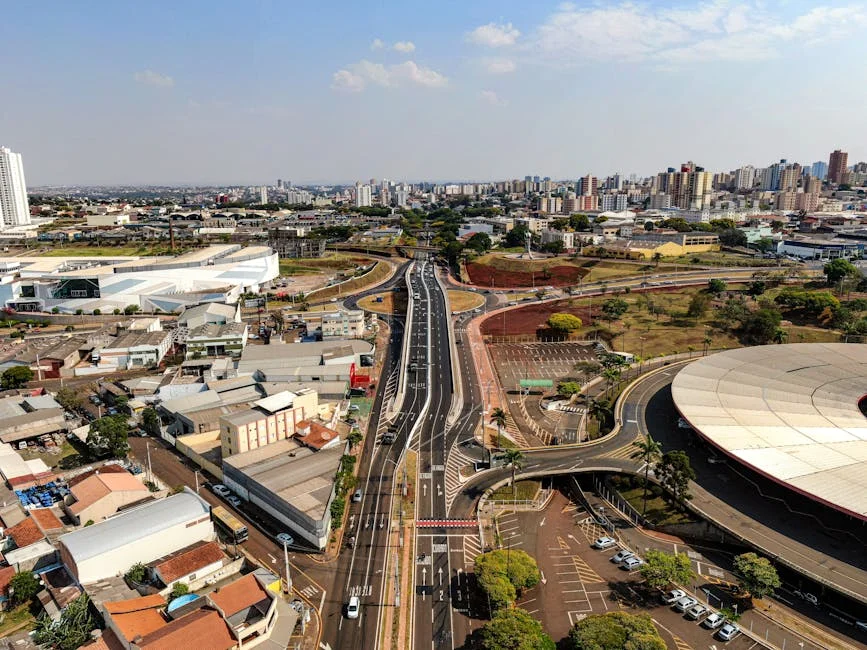
The policy has led to increased volatility in the Bovespa index, which fell by 3.4% in the week following the announcement. Shares of major Brazilian banks and export firms have also seen declines, with some analysts linking the downturn to fears of a potential fiscal crisis. In the UK, the FTSE 100 showed a modest 0.7% drop as investors recalibrated their exposure to emerging markets.
Investment firms have begun to adjust their portfolios, with some divesting from Brazilian assets and shifting focus to more stable markets. According to a report by JPMorgan, the number of UK-based funds with significant exposure to Brazil fell by 15% in the first quarter of 2025, a trend that could accelerate if the policy continues to face criticism.
“This isn’t just about Brazil,” said James Carter, a portfolio manager at BlackRock. “It’s a signal that emerging markets are becoming more unpredictable, and investors are looking for safer bets.”
Business Implications and Supply Chain Concerns
Businesses in Brazil and abroad are beginning to reassess their operations in light of the policy. Multinational corporations, particularly in the agriculture and manufacturing sectors, are concerned about potential disruptions to supply chains and increased operational costs. The programme’s impact on inflation has also raised concerns about consumer demand and pricing strategies.
One of the first companies to respond was Nestlé Brazil, which announced a temporary freeze on price increases for its core products. The move, while aimed at maintaining market stability, highlights the growing uncertainty among corporate leaders. “We are closely monitoring the situation,” said Carlos Mendes, a spokesperson for Nestlé Brazil.
Small and medium-sized enterprises (SMEs) are also feeling the pressure. Many have reported rising costs due to inflation and reduced consumer spending, with some fearing that the policy could lead to a prolonged economic slowdown.
Regional Impact and Cross-Border Trade
The policy has also had ripple effects across South America, particularly in neighbouring countries like Argentina and Peru. Trade officials in Argentina have raised concerns about the potential for increased competition in regional markets, while Peruvian businesses are preparing for possible shifts in export demand.
“This is a regional issue now,” said Luisa Fernanda Rojas, an economist at the University of Lima. “If Brazil’s economy falters, it could have a knock-on effect on the entire region.”
What’s Next for Investors and Businesses?
Investors and businesses are now watching the Brazilian government’s next moves closely. The Ministry of Finance has pledged to release a detailed fiscal plan by early June, which will be critical in determining the policy’s long-term viability. Meanwhile, the central bank has indicated it may adjust interest rates to curb inflationary pressures.
For UK and EU investors, the coming weeks will be crucial in deciding whether to maintain or reduce exposure to the Brazilian market. A final decision on the policy’s sustainability is expected by mid-June, with market reactions likely to be influenced by both domestic and international economic indicators.
As the situation unfolds, one thing is clear: the Quem Dá aos Pobres initiative is not just a social policy—it’s a test of Brazil’s economic resilience and its ability to balance fiscal responsibility with social welfare. What happens next will shape not only the country’s future but also the global investment landscape.
See Also
- Brazil's Capital in Chaos as 'End of the World' Leak Sparks Market Turmoil
- Gomes Praises Saudi Referees Amidst Al Fateh Debates