Ghanaian footballer Abdul Razak, 26, was killed in a brazen armed attack on his team bus in Accra on Monday, sparking widespread outrage and raising concerns over security and stability in the West African nation. The incident, which occurred as the team was returning from a match in Kumasi, has drawn condemnation from both local and international football bodies, including the Ghana Football Association (GFA). The attack, reportedly carried out by two masked individuals, has left the country in shock and raised questions about the safety of public spaces and transport infrastructure.
Security Concerns and Public Outcry
The attack has intensified scrutiny on Ghana’s security protocols, particularly in urban areas where crime rates have been rising. According to a 2023 report by the National Crime Research Centre, violent crime in Accra increased by 12% compared to the previous year. The GFA has suspended all team travel until further notice, while local authorities have increased police presence in major cities. “This is a tragedy that should never happen,” said GFA President Kwame Owusu, in a statement. “We are working closely with the police to ensure such incidents are not repeated.”
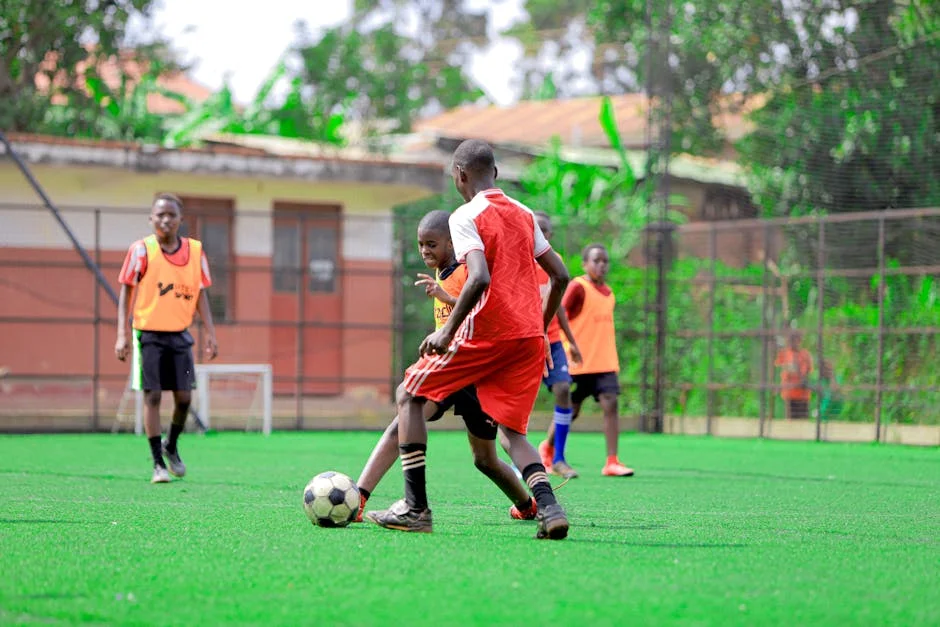
Public reaction has been swift and emotional. Social media platforms have been flooded with tributes to Razak, who played for the Ghanaian Premier League side Hearts of Oak. The incident has also triggered a broader conversation about safety in the country. “People are scared,” said Ama Mensah, a resident of Accra. “We used to feel safe here, but now we wonder if it’s still the case.” The attack has also led to calls for improved security measures, including better lighting on roads and more visible police patrols.
Impact on Local Businesses and Tourism
The attack has already begun to affect local businesses, particularly those reliant on tourism and public transport. In Accra’s central business district, foot traffic has dropped by an estimated 15% in the past week, according to a survey by the Ghanaian Chamber of Commerce. “We’re seeing fewer customers and more cancellations,” said Kwame Adjei, a shop owner in the city centre. “People are afraid to go out, and that’s hurting our sales.”
Tourism operators have also expressed concerns. Ghana, which welcomed over 1.2 million international visitors in 2023, is now facing a potential downturn in visitor numbers. “This incident could damage our reputation,” said Yaw Agyeman, a tour guide in Cape Coast. “We need to reassure people that it’s still safe to visit.” The Ghana Tourism Authority has launched a campaign to highlight the country’s safety record, but the challenge remains significant.
Investor Sentiment and Market Reactions
Investor sentiment in Ghana has also been affected. The Ghana Stock Exchange (GSE) saw a slight decline in the days following the attack, with the All-Share Index dropping 0.8% on Tuesday. Analysts suggest the impact is more psychological than economic, but concerns remain about the broader implications of instability. “Ghana is a key player in the region, and any disruption to its stability could have ripple effects,” said Dr. Abena Osei, an economist at the University of Ghana.
Foreign investors have also taken note. A recent report by the International Monetary Fund (IMF) noted that political and security risks remain a key concern for investors in the region. “While Ghana has made progress in recent years, incidents like this can undermine confidence,” said the report. The government has pledged to address security concerns, but the challenge of balancing development with safety remains a pressing issue.
Looking Ahead: What Comes Next?
The Ghanaian government has announced plans to review its security policies and increase funding for law enforcement. A task force has been formed to investigate the attack, with a report expected within the next two weeks. Meanwhile, the GFA has launched a fund to support Razak’s family and other affected players. “We will not let this tragedy go unanswered,” said GFA Secretary General Nana Yaw Osei.
Investors and businesses will be closely watching the government’s response. The next few weeks will be critical in determining whether the attack has long-term consequences for Ghana’s economy. As the country grapples with the fallout, the focus remains on restoring public confidence and ensuring the safety of its citizens.