South Africa has announced the creation of 15 new research chairs aimed at driving technological and scientific innovation across the country. The initiative, led by the Department of Science and Innovation, is part of a broader strategy to position the nation as a regional leader in research and development. The move comes as the economy seeks to diversify from traditional sectors like mining and agriculture toward knowledge-based industries.
Government Initiative to Strengthen Innovation Ecosystem
The new research chairs will be hosted at universities and research institutions, with a focus on areas such as artificial intelligence, renewable energy, and biotechnology. The government has allocated R2.5 billion (approximately £120 million) over the next five years to support these positions. The funding is expected to attract top scientists and researchers, both locally and internationally, to contribute to South Africa’s innovation agenda.
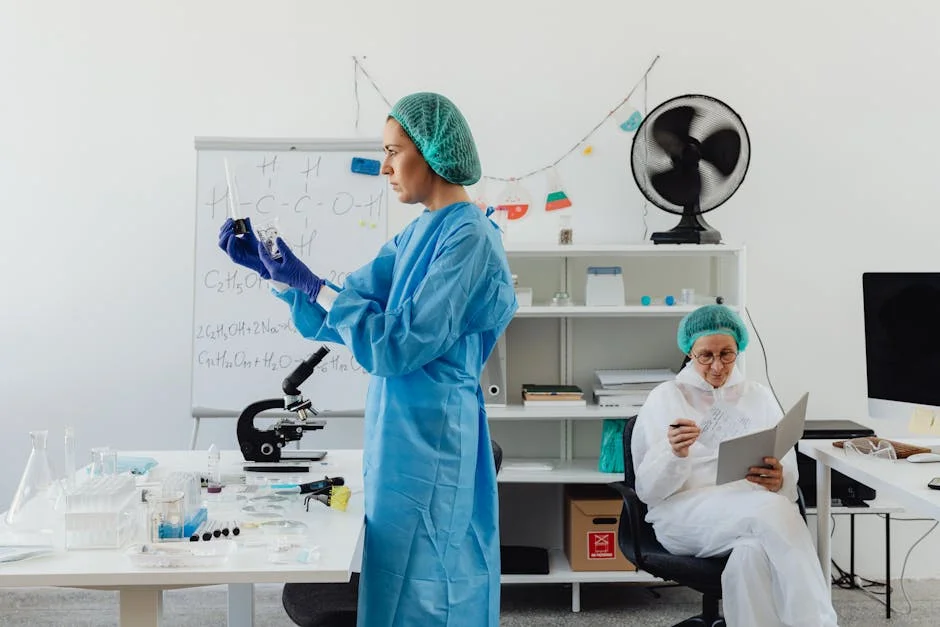
Minister of Science and Innovation, Dr. Naledi Pandor, said the initiative is a critical step in addressing the country’s skills gap and fostering economic growth. “These chairs will act as catalysts for innovation and will help us build a more competitive and sustainable economy,” she stated. The programme is also designed to strengthen partnerships between academia, industry, and government.
Market and Business Implications


The initiative is expected to have a ripple effect on the business sector, particularly in technology and manufacturing. Companies operating in South Africa may benefit from increased access to research and development capabilities, potentially leading to new products and services. Startups and SMEs, in particular, could gain from the knowledge spillovers generated by the research chairs.
Investors are also paying attention. The South African government has been working to improve the investment climate by focusing on innovation and infrastructure. With the new research chairs, the country could become a more attractive destination for foreign direct investment, especially in high-tech sectors. The move aligns with the National Development Plan 2030, which aims to transform the economy through innovation and skills development.
Regional and Global Impact
South Africa’s move to boost innovation is part of a broader trend across the African continent. Countries like Kenya, Nigeria, and Ethiopia are also investing in science and technology to drive economic growth. However, South Africa’s scale and existing infrastructure give it a competitive edge in the region. The country’s research institutions are already collaborating with global partners, and the new chairs are likely to deepen these relationships.
For the UK, the initiative could open new opportunities for collaboration. British universities and tech firms may seek partnerships with South African institutions, particularly in areas like clean energy and digital innovation. The UK’s Department for International Trade has expressed interest in supporting such collaborations, viewing them as a way to strengthen economic ties with Africa.
Challenges and Opportunities
The success of the initiative will depend on effective implementation and long-term commitment. One challenge is ensuring that the research produced is translated into practical applications that benefit the economy. Another is addressing the brain drain of skilled professionals, many of whom leave South Africa for better opportunities abroad.
However, the initiative also presents a significant opportunity. By investing in innovation, South Africa can reduce its reliance on commodity exports and build a more resilient economy. The government has pledged to monitor the progress of the research chairs closely, with regular reviews to assess their impact on the economy and society.
What to Watch Next
The first set of research chairs is expected to be appointed by the end of 2024, with initial projects launching in early 2025. Investors and businesses should monitor the progress of these chairs, as they may signal new opportunities in the South African market. The government has also indicated that more funding may be allocated to the programme if the initial results are positive.
For the UK and other international partners, the coming months will be crucial in determining the extent of collaboration opportunities. As South Africa continues to position itself as a hub for innovation, the global business and investment community will be watching closely.
See Also
- Eastern Cape Police Rearrest Murder Suspect Amid Escapees Crisis
- Niagara-on-the-Lake Faces Unseasonal Weather — UK's Economy Takes Note