The first phase of voting in the Bengal polls was marred by scattered clashes and assaults on candidates, leading to concerns over the election's impact on market stability. The Election Commission of India (ECI) has requested detailed reports on the incidents, seeking to understand the full scope of disruptions.
Violence and Its Immediate Market Impacts
With violence erupting in various parts of Bengal, investors and businesses are closely monitoring the situation. The potential for prolonged unrest could lead to hesitancy in investment, affecting both local and international stakeholders. The region's stability is crucial, given its strategic economic position in India.
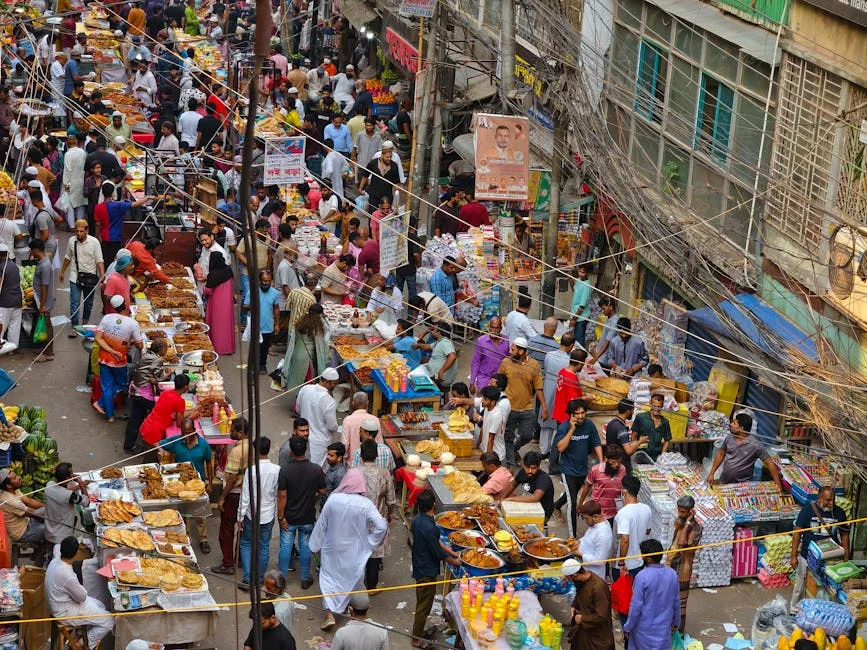
In the city of Kolkata, reports indicate several violent incidents that disrupted the voting process. The ECI's intervention aims to ensure transparency and restore confidence among the populace and investors alike. However, the immediate market response has been one of caution, with stocks in sectors like infrastructure and services experiencing mild volatility.
Economic Context and Historical Significance


Bengal's economy has historically been a bellwether for Eastern India's economic health, with its industrial and agricultural contributions playing a significant role. The current political tensions echo past election cycles where instability led to economic slowdowns, raising alarms among market analysts.
Dr. Rajesh Mehra, an economist at the Centre for Economic Studies, highlights the potential ripple effects on foreign investment. "International investors are guided by market predictability and political stability. Any prolonged disruption in Bengal could skew investment patterns," he notes.
Potential Long-term Consequences
Should the unrest persist, there could be a shift in business operations and investor priorities. Companies with significant operations in Bengal might consider contingency plans to mitigate potential losses. Moreover, the longer the uncertainty continues, the greater the impact on employment and local economies.
The UK, a major trade partner with India, is observing these developments with interest. Any significant economic repercussions in Bengal could have a knock-on effect, altering trade dynamics and influencing currency rates.
What UK Investors Should Watch
Investors in the UK are advised to stay informed on Bengal's political landscape. Key indicators to watch include any changes in governmental policies or economic measures that might arise from the election outcomes. Additionally, shifts in the Indian Rupee, particularly against the British Pound, could signal broader economic impacts.
Next Steps and What to Monitor
The ECI is expected to release its findings on the election-related violence shortly, which could influence both market sentiment and governmental responses. Observers anticipate that the second phase of voting, scheduled for next week, will be critical in determining whether the situation stabilises or escalates further.
For businesses and investors, the coming weeks are pivotal. Economic analysts suggest closely monitoring the developments in Bengal, as any further disruptions could necessitate strategic adjustments in investment portfolios and business operations. The region's future, and its economic implications, remain uncertain yet crucial to regional and international interests.
See Also
- Simeone Defies Champions League Pressure — Boosts Market Confidence
- Sundowns Win Ignites South African Sports Economy
What is the latest news about bengal polls trigger market uncertainty clashes disrupt phasei voting?
Why does this matter for economy-business?
What are the key facts about bengal polls trigger market uncertainty clashes disrupt phasei voting?