Sabastian Sawe returned to Nairobi to thunderous applause, marking a pivotal moment for Kenya’s sporting and economic narrative. The 1500-metre runner’s victory has ignited immediate speculation about its broader impact on the nation’s brand value and foreign direct investment flows. Markets reacted swiftly to the news, with the Nairobi Securities Exchange showing early signs of bullish sentiment driven by renewed national pride and potential sponsorship surges.
Sporting Success as Economic Catalyst
The connection between athletic triumph and economic momentum is well-documented in emerging markets. Kenya has long leveraged its sporting prowess to attract tourism and brand partnerships. Sawe’s win, however, comes at a critical juncture for the East African giant, which is navigating complex inflationary pressures and currency fluctuations. Investors are closely watching how this cultural moment translates into tangible financial gains for local businesses.

Brand equity in Kenya is directly tied to national heroes. Companies such as Safaricom and KCB Group have historically used sporting endorsements to drive consumer engagement. The immediate aftermath of Sawe’s victory saw a spike in digital advertising spend, particularly in the telecommunications and banking sectors. This surge indicates that corporate leaders are eager to capitalize on the positive sentiment generated by his performance on the global stage.
Corporate Sponsorship and Revenue Streams
Corporate sponsors are likely to accelerate their marketing budgets in the coming quarters. The visibility of Kenyan athletes provides a cost-effective way to reach both domestic and international audiences. For small and medium-sized enterprises, this creates an opportunity to align with the national narrative, enhancing their brand recognition without the premium costs associated with global superstars. This democratization of brand association benefits a wide range of businesses across Nairobi’s commercial districts.
The financial implications extend beyond direct sponsorship deals. Increased media coverage drives advertising revenue for broadcasters and digital platforms. This influx of capital supports jobs in the media and creative industries, which are significant contributors to Kenya’s service-based economy. The ripple effect of Sawe’s success is therefore felt across multiple sectors, from media production to retail sales of branded merchandise.
Market Reactions and Investor Sentiment

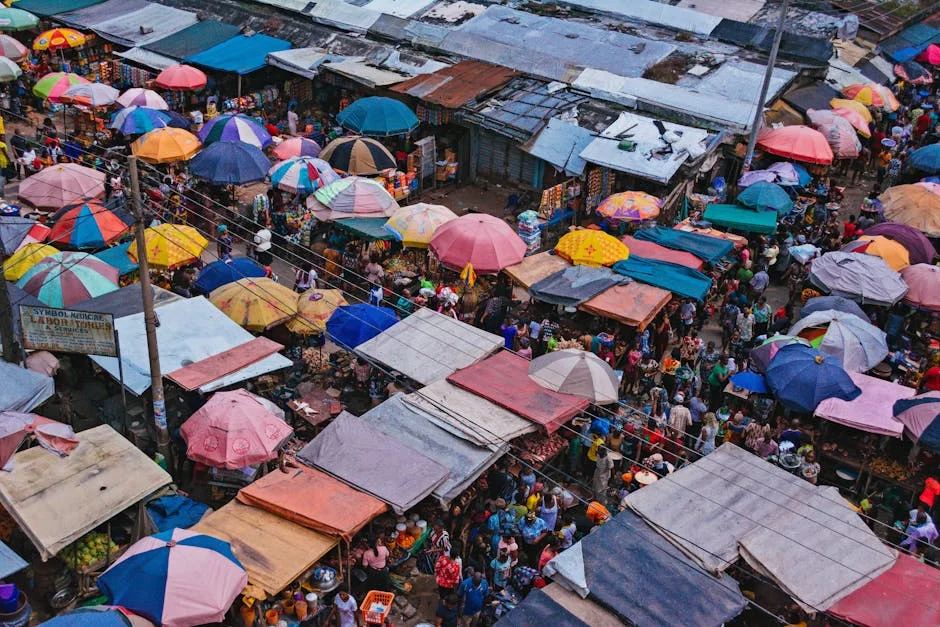
Financial markets often reflect national mood, and Kenya’s stock market is no exception. The Nairobi Securities Index experienced a modest uptick following the news, suggesting that investor confidence is bolstered by positive national developments. While sporting events do not directly alter macroeconomic indicators like GDP or inflation, they influence the psychological factors that drive investment decisions. A confident nation attracts more foreign capital.
Foreign investors are increasingly looking at Kenya as a stable hub for East African operations. The country’s strategic location, growing middle class, and improving infrastructure make it an attractive destination. Sawe’s victory adds a layer of soft power that enhances Kenya’s appeal. It signals a dynamic, forward-looking society capable of producing world-class talent, which resonates well with international brands seeking to expand their footprint in the region.
However, market analysts caution against overestimating the immediate financial impact. The economic benefits of sporting success are often gradual rather than instantaneous. While the initial surge in sentiment is positive, sustained economic growth requires deeper structural reforms. Investors are advised to view this development as a complementary factor rather than a standalone driver of market performance. Prudent investment strategies will continue to rely on fundamental economic data.
Tourism and Brand Value Implications
Tourism is a cornerstone of Kenya’s economy, contributing significantly to foreign exchange earnings. The country’s brand as a land of runners is deeply ingrained in the global consciousness. Sawe’s latest triumph reinforces this identity, potentially attracting more visitors interested in sporting tourism and cultural experiences. Hotels and tour operators in Nairobi and Mombasa are already seeing increased inquiries, signaling a short-term boost in occupancy rates.
The “Kenya Brand” is a valuable asset that extends beyond the Rift Valley. It encompasses the country’s wildlife, beaches, and vibrant urban centers. Athletic success enhances this brand by associating Kenya with discipline, endurance, and excellence. This perception is crucial for attracting high-value tourists and business travelers who prioritize destinations with a positive global image. The cumulative effect of such victories can lead to a sustained increase in tourism revenue.
Regional Competitive Advantage
In the competitive East African market, Kenya faces stiff competition from neighbors like Tanzania and Uganda. Each country is vying for regional dominance in various sectors, including logistics, finance, and tourism. Sporting success provides Kenya with a unique competitive edge, differentiating it from its peers. This distinction can influence corporate decisions on where to establish regional headquarters or launch new market entry strategies.
The regional implications are significant for businesses operating across borders. A strong national brand facilitates easier market penetration and consumer acceptance. Companies that align themselves with Kenya’s sporting successes can leverage this association to build trust and familiarity in neighboring markets. This strategic advantage can lead to increased market share and higher profitability for Kenyan businesses expanding into the East African Community.
Business Implications for Local Enterprises
Local businesses stand to gain from the heightened national attention. Retailers selling athletic gear, footwear, and apparel are likely to see increased sales. This demand is not limited to professional equipment but extends to casual wear, as consumers seek to emulate their heroes. The retail sector, which is a major employer in Kenya, benefits from this surge in consumer spending, which helps to stimulate local economic activity.
Small businesses in Nairobi’s informal sector also experience a boost. Street vendors selling branded t-shirts, caps, and other memorabilia see immediate returns on their inventory. This trickle-down effect is crucial for the Kenyan economy, where the informal sector employs a significant portion of the workforce. The economic vitality generated by such events supports livelihoods and contributes to the overall stability of the consumer market.
Furthermore, the event highlights the importance of the creative industry. Designers, marketers, and event organizers play a key role in capitalizing on the moment. Their ability to create compelling narratives and products drives consumer engagement and spending. This sector is increasingly recognized as a vital component of Kenya’s economic diversification strategy, reducing reliance on traditional sectors like agriculture and manufacturing.
Investment Perspective and Future Outlook
From an investment perspective, the event underscores the value of intangible assets. Brand reputation, national pride, and cultural capital are increasingly important factors in valuation models. Investors who recognize the economic potential of these soft factors are better positioned to capture value in emerging markets. Kenya’s ability to convert sporting success into economic gains demonstrates the sophistication of its market dynamics.
Long-term investors should monitor how the government and private sector leverage this momentum. Strategic investments in sports infrastructure, youth development, and brand management can yield substantial returns over time. The creation of a robust sports economy can attract further foreign direct investment, particularly in the health, wellness, and leisure sectors. This aligns with Kenya’s broader economic goals of diversification and growth.
However, risks remain. Economic volatility, political uncertainty, and global market shifts can dampen the positive effects of sporting success. Investors must maintain a balanced approach, considering both the opportunities and the challenges. A diversified portfolio that includes exposure to Kenya’s key economic sectors will help mitigate risks and capture the upside potential associated with the country’s dynamic growth trajectory.
What to Watch Next
Investors and businesses should monitor the upcoming quarterly earnings reports of major Kenyan corporations. These reports will reveal whether the initial surge in consumer sentiment translates into tangible revenue growth. Pay particular attention to the telecommunications and retail sectors, which are likely to show the most immediate impact. This data will provide valuable insights into the economic ripple effects of Sawe’s victory.
Additionally, watch for announcements regarding new sponsorship deals and marketing campaigns. These developments will indicate how aggressively companies are capitalizing on the moment. The scale and scope of these initiatives will reflect the confidence levels of the private sector. A robust response from corporate leaders would signal a strong belief in the long-term economic benefits of Kenya’s sporting success. Keep an eye on Nairobi’s commercial hubs for signs of increased activity and investment in the coming weeks.
Furthermore, the event highlights the importance of the creative industry. The regional implications are significant for businesses operating across borders.