In Lagos, a gathering of experts convened under the aegis of the Vanguard Economic Discourse to address Nigeria's pressing food security challenges. Experts highlighted the crucial need for sustainable agricultural policies to avoid market instability and economic strain. They urged immediate government intervention to boost local production, reduce dependency on imports, and stabilise food prices.
The Need for Sustainable Agricultural Policies
The discourse underscored the necessity for Nigeria to pivot towards sustainable agricultural practices. With Nigeria's population projected to exceed 250 million by 2050, the current reliance on food imports is unsustainable. A significant number of experts, including Dr. Emmanuel Adegboye of the Nigerian Agricultural Research Institute, stressed the importance of adopting modern farming techniques and investing in agricultural technology to increase crop yields and reduce wastage.
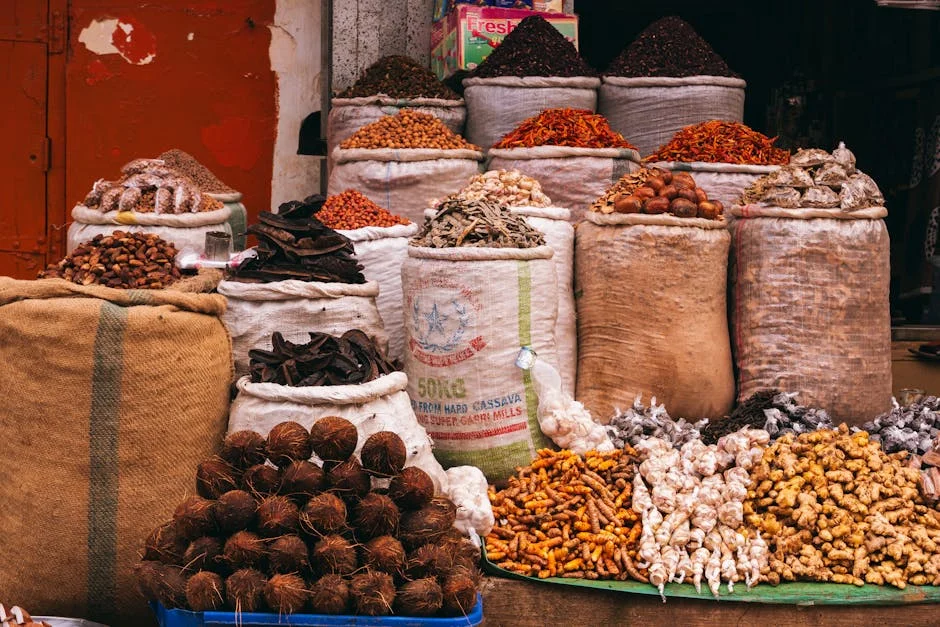
By focusing on sustainability, Nigeria could potentially safeguard its economy from volatile food prices on the global market. The country's current import bill for staple foods is estimated at over $3 billion annually, a figure that places undue pressure on its foreign reserves and contributes to inflation.
Economic Consequences and Market Reactions


The call for enhanced food security measures has significant implications for Nigeria's economy. If implemented effectively, these policies could lead to reduced food import costs, thereby strengthening the naira and improving the trade deficit. Financial markets are likely to react positively to any governmental announcements of subsidies or incentives aimed at boosting local agriculture.
Potential Impact on Local Businesses
Local agribusinesses stand to benefit greatly from government-backed initiatives. Increased investment in agriculture could lead to job creation and rural development, aligning with the government's diversification agenda. However, businesses in the import sector might face challenges as their market share diminishes, leading to potential restructuring within the industry.
Investor Perspectives
Investors are watching closely, as shifts towards local production could offer new opportunities. Agritech companies, in particular, are poised to capitalise on increased demand for technological solutions. The Nigerian Stock Exchange might see increased activity in agricultural stocks, offering a fresh avenue for investment growth.
On the international front, strategic partnerships could emerge, with foreign companies investing in Nigeria's agricultural sector to tap into its vast potential. This influx of foreign direct investment could further stimulate economic growth and stability.
Looking Ahead: Next Steps and Watch Points
The Nigerian government is expected to announce its strategic plan to address food security in the coming months. Stakeholders are keenly anticipating details on potential subsidies, technological investments, and partnerships with private sector players. It will be crucial to monitor the government's commitment to these initiatives and the subsequent impact on both local and international markets.
As the situation develops, observers will also be watching for policy shifts from major agricultural economies like the United States, which could influence global market dynamics. The upcoming agricultural summit in Abuja is expected to provide further insights into Nigeria's path forward in achieving food security.
See Also
- Portugal Slams Visa Rules — UK Investors Face New Hurdles
- Iran Halts Strait Blockade After US Pause — Oil Markets React
It will be crucial to monitor the government's commitment to these initiatives and the subsequent impact on both local and international markets.As the situation develops, observers will also be watching for policy shifts from major agricultural economies like the United States, which could influence global market dynamics. However, businesses in the import sector might face challenges as their market share diminishes, leading to potential restructuring within the industry.Investor PerspectivesInvestors are watching closely, as shifts towards local production could offer new opportunities.