Taiwan's Interior Minister Lin Yu-chang made an unexpected visit to the disputed island of Taiping amidst ongoing military exercises, escalating tensions with China. This rare political move took place on 5th October, spotlighting the strategic significance of the South China Sea, a vital trade route.
Historical Context of the Dispute
Taiping Island, also known as Itu Aba, is the largest of the Spratly Islands and is a key point of contention in the South China Sea dispute. The island is administered by Taiwan but claimed by China, which considers such visits as provocations.
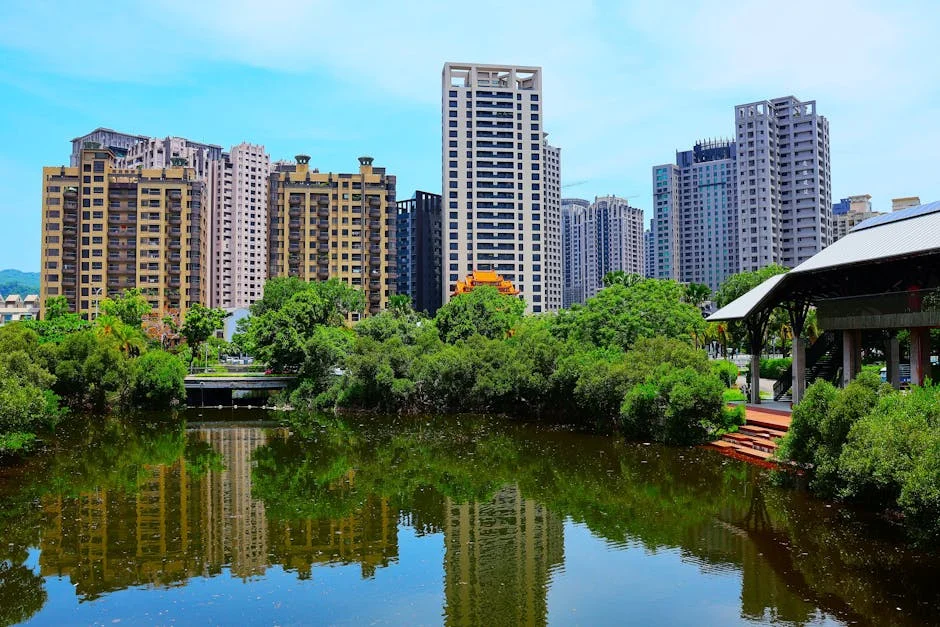
China has historically aimed to assert its dominance in the region, critical for its trade and security interests. By enhancing its military presence and conducting exercises, China seeks to fortify its claim over the area. This has caused friction with neighbouring countries, impacting regional stability.
Immediate Market Reactions


Following the minister's visit, Asian markets showed signs of jitteriness, with investors wary of rising geopolitical tensions. The Hang Seng Index in Hong Kong fell by 1.2% the day after the visit, reflecting investor anxiety over potential military escalations.
Moreover, the Taiwanese stock market saw a decline of 0.8%, as investors anticipated possible economic repercussions should tensions further escalate. Such political developments often lead to increased volatility in markets heavily dependent on Asian trade routes.
Business and Economic Implications
The South China Sea is a crucial corridor for global trade, with around 30% of the world’s maritime trade passing through it annually. Any disruption could significantly impact global supply chains, affecting numerous industries worldwide.
Effects on UK Businesses
UK businesses, particularly those involved in shipping and logistics, might face increased costs and delays if tensions lead to disruptions in shipping routes. Additionally, sectors reliant on Asian imports could experience supply chain challenges.
Given the UK's economic ties with Asia, continued political unrest in the South China Sea necessitates careful monitoring by British businesses. Diversifying supply chains could mitigate potential risks associated with the ongoing dispute.
Investment Perspective and Future Watch
Investors are advised to keep a close eye on developments in the South China Sea, as further escalations could lead to increased market volatility. Diversification of portfolios across different regions and industries could provide a buffer against potential geopolitical risks.
Looking forward, any diplomatic efforts or international interventions aimed at de-escalating tensions will be critical. Investors should watch for official statements from Taiwanese and Chinese governments, as well as any moves by international bodies such as ASEAN or the United Nations, which could influence market stability.
See Also
- 76ers-Celtics Clash Spurs Interest in Sports Betting Markets — Here's Why
- Democratic Alliance Opposes Tariff Cuts in eThekwini – Businesses Brace for Impact
What is the latest news about taiwan ministers island visit challenges china markets brace for tensions?
Why does this matter for economy-business?
What are the key facts about taiwan ministers island visit challenges china markets brace for tensions?