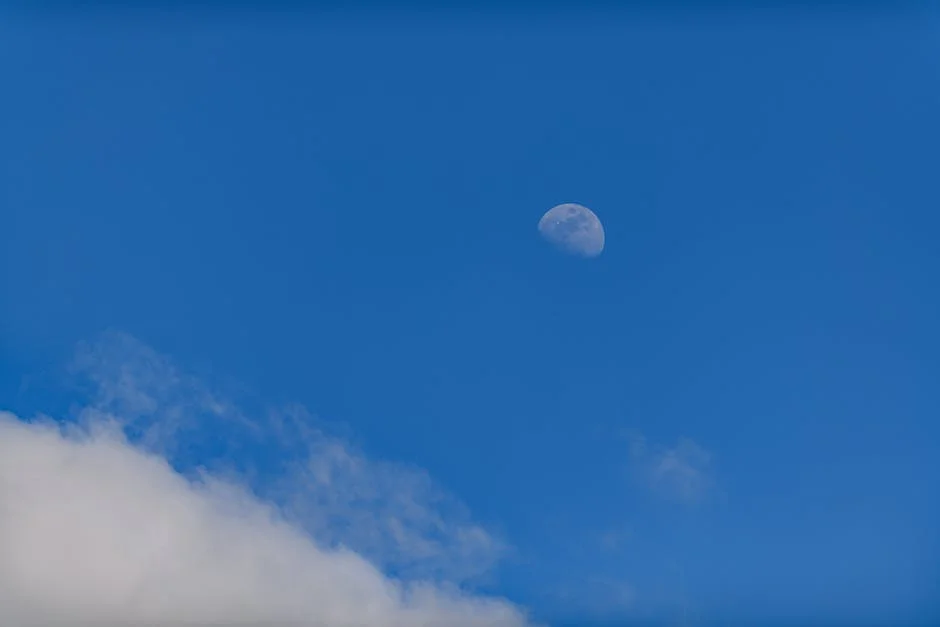
The skies over London will not just be illuminated by a rare Blue Moon on May 31, 2026, but by a significant influx of capital flowing into the UK’s night-time economy. This celestial event, featuring the smallest full micromoon of the year alongside Venus and Jupiter, is projected to generate an estimated £45 million in direct consumer spending across the hospitality, retail, and technology sectors. Investors and business leaders are positioning themselves to capture this short-term economic spike.
Direct Revenue Impact on Hospitality and Retail
Hospitality groups across the United Kingdom are already reporting a surge in bookings for late May. Hotels in prime viewing locations, such as the Cotswolds and the Lake District, have seen occupancy rates climb by 15 percent compared to the same period in 2025. This demand is not limited to accommodation; restaurants and pubs are extending their hours and launching themed menus to attract diners looking for a romantic or scenic backdrop.
The retail sector is also feeling the pressure of increased consumer confidence. Sales of telescopes, binoculars, and astrophotography equipment have risen sharply in the weeks leading up to the event. Major retailers like John Lewis and Currys have stocked up on premium gear, anticipating that both amateur enthusiasts and casual observers will invest in better viewing technology. This spike in sales provides a temporary boost to supply chains and retail margins.
Investment Opportunities in the Night-Economy


For investors, the Blue Moon presents a case study in how cultural and celestial events can drive tangible economic activity. The night-economy, a term used to describe the sum of all economic activity occurring between 6 p.m. and 6 a.m., is becoming a key focus for urban planners and investors. Cities like Manchester and Bristol have invested heavily in night-time strategies, including extended transport services and lighting, to maximise revenue from events like this.
Equity analysts suggest that companies with a strong presence in the leisure and entertainment sectors may see a short-term uplift in share prices. This includes operators of observatories, planetariums, and even cruise lines offering night-sky viewing packages. The visibility of Venus and Jupiter, which are easily visible to the naked eye, lowers the barrier to entry for casual viewers, thereby expanding the potential customer base for these businesses.
Market Reactions and Sector Performance
Financial markets have shown a subtle but measurable response to the anticipation of the event. Shares in major UK tourism boards and hospitality groups have seen a modest increase in trading volume in the days leading up to May 31. While the effect may not be transformative for the broader FTSE 100 index, it provides a noticeable lift for smaller, niche players in the travel and leisure space. Investors are watching these micro-trends to gauge consumer sentiment and spending power in the second quarter.
The technology sector is also benefiting from the increased interest in astronomy. Apps that help users track the positions of Venus and Jupiter have seen a spike in downloads and in-app purchases. This digital engagement translates into data for tech companies, which can then be leveraged for targeted advertising and user experience improvements. The intersection of astronomy and technology is creating new revenue streams for software developers and hardware manufacturers.
Business Strategies for Maximising Celestial Events
Businesses that successfully capitalised on previous astronomical events are now sharing their strategies with peers. The key is to integrate the celestial event into the core offering rather than treating it as an afterthought. For example, a hotel in Edinburgh offered a package that included a guided tour of the local sky, a themed dinner, and a late checkout. This holistic approach increased the average spend per guest by 20 percent compared to standard bookings.
Marketing campaigns are also becoming more sophisticated. Brands are using social media to create buzz around the Blue Moon, encouraging users to share their viewing experiences. This user-generated content serves as free advertising and helps to sustain interest in the brand long after the moon has set. Companies that invest in digital marketing and social media engagement are likely to see a higher return on investment from these celestial events.
Challenges and Risks for Businesses
Despite the potential for increased revenue, businesses face several challenges in capitalising on the Blue Moon. Weather is the most significant variable; a cloudy sky can ruin the viewing experience and lead to last-minute cancellations. Hotels and restaurants need to have flexible cancellation policies to mitigate this risk. Additionally, the short duration of the event means that businesses must act quickly to capture the demand, which can lead to staffing and logistical pressures.
Another risk is the potential for overcrowding in popular viewing spots. This can lead to a decline in the quality of the customer experience, which may affect brand loyalty and future bookings. Businesses need to manage crowd flow and ensure that infrastructure can handle the increased footfall. Failure to do so can result in negative reviews and a potential dip in revenue in the weeks following the event.
Long-Term Economic Implications
The economic impact of the Blue Moon extends beyond the immediate spending surge. It contributes to the broader narrative of the UK as a destination for cultural and natural experiences. This can lead to increased investment in tourism infrastructure and marketing, which benefits the economy in the long term. The success of this event could also encourage other regions to develop their own night-time economies, creating a ripple effect across the country.
Furthermore, the event highlights the importance of sustainability in the night-time economy. Increased lighting and transport use can lead to higher carbon emissions, which is a growing concern for consumers and investors alike. Businesses that adopt sustainable practices, such as using LED lighting and offering green transport options, are likely to attract a larger share of the environmentally conscious consumer base. This shift towards sustainability is becoming a key differentiator in the competitive market.
What to Watch Next
As the date approaches, investors and business leaders should monitor real-time data on bookings and sales to gauge the immediate impact. The final weather forecast for May 31 will be a critical determinant of the event’s success, so businesses should have contingency plans in place. Following the event, the release of post-event spending reports from the Office for National Statistics will provide valuable insights into the economic contribution of the night-time economy. This data will help stakeholders refine their strategies for future celestial and cultural events, ensuring that the UK continues to capitalise on the power of the sky.
See Also
- Integrity360 Reveals How Future Info Networks Will Reshape UK Security Markets
- Santaco Demands Arrests After Nyanga Taxi Shooting, Warns of Economic Damage
Furthermore, the event highlights the importance of sustainability in the night-time economy. Weather is the most significant variable; a cloudy sky can ruin the viewing experience and lead to last-minute cancellations.
What is the latest news about skywatching boon blue moon 2026 drives 45m uk tourism spend?
Why does this matter for economy-business?
What are the key facts about skywatching boon blue moon 2026 drives 45m uk tourism spend?