Premier League clubs and investors watched the final day of the season with intense scrutiny as Tottenham Hotspur secured survival while Manchester City and Liverpool prepared for major managerial and player transitions. The outcomes directly influence the valuation of the UK’s largest sporting assets, affecting everything from broadcast rights negotiations to sponsor contract renewals.
The Premier League operates as a multi-billion-pound economic engine for the United Kingdom. Every match day generates billions in revenue through television rights, merchandise sales, and matchday income. When key players like Mohamed Salah or managers like Pep Guardiola signal a potential exit, the financial implications ripple through the London and Manchester economies.
Tottenham’s Survival and the North London Market

Tottenham Hotspur avoided the relegation zone, a result that stabilizes the club’s immediate financial outlook. Relegation would have triggered a £1.5 billion drop in revenue, according to Deloitte’s recent Money League report. Avoiding this cliff edge protects the wages of over 500 employees and secures the short-term debt covenants held by major creditors.
The club’s performance in the capital has direct effects on local businesses. On match days, over 60,000 fans flood into north London, boosting revenue for hotels, restaurants, and transport networks in the Tottenham and Haringey boroughs. A stable Premier League status ensures these local economic injections continue for another season.
Investors in the listed club model watch Tottenham’s share price for volatility. While not yet fully listed like Arsenal or Newcastle United, Spurs’ equity structure is closely watched by private equity firms looking for the next major football investment. Survival confirms the asset remains a tier-one global brand, maintaining its premium valuation in the eyes of potential buyers.
Local Economic Impact of Spurs’ Stability
The stability of Tottenham Hotspur provides a predictable revenue stream for local suppliers. From kit manufacturers to hospitality groups, the supply chain relies on the club’s continued presence in the top flight. Any hint of relegation causes immediate downward pressure on these contracts, forcing suppliers to renegotiate terms at shorter notice.
For the wider London economy, the club contributes significantly to the GDP. The London School of Economics has previously estimated that a top-flight club can contribute up to £200 million annually to the local economy through direct and indirect spending. This figure includes the wages of staff, the spending of fans, and the influx of tourists attracted by the brand’s global reach.
Guardiola’s Exit and the Manchester City Financial Model

Pep Guardiola’s potential farewell marks the end of an era for Manchester City and its parent company, City Football Group (CFG). The manager’s ability to convert points into trophies has been the primary driver of City’s brand equity over the last decade. His departure introduces uncertainty that could affect the club’s ability to command premium sponsorship deals.
Manchester City is a key asset in CFG’s broader strategy to expand its global footprint. The group owns 18 clubs across five continents, with City serving as the financial engine. Any fluctuation in the Manchester club’s performance directly impacts the valuation of the entire group. Investors are closely monitoring how the squad performs in the final matches to gauge the stability of this financial model.
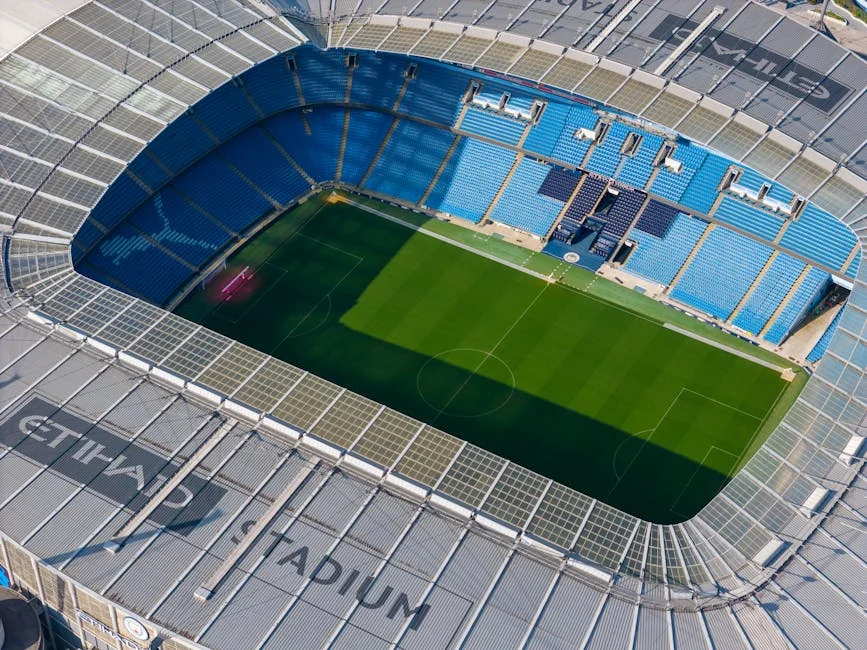
The economic impact extends to the wider Manchester region. The Etihad Stadium and its surrounding development, the East Manchester area, have seen billions in investment. This development is largely underpinned by the success of the football club. A dip in on-field performance could slow down further property and retail investments in the area.
Salah’s Future and Liverpool’s Revenue Streams
Mohamed Salah’s potential departure from Liverpool represents a significant financial event for the club. As one of the most marketable players in the world, his image rights alone are estimated to be worth over £100 million annually. His exit would directly affect Liverpool’s non-matchday revenue, particularly in key markets like the Middle East and Asia.
Liverpool Football Club is one of the most valuable franchises in the Premier League. The club’s revenue model relies heavily on the performance of its star players to attract global sponsors. Salah’s presence has helped secure multi-year deals with brands like Standard Chartered and New Balance. His potential exit forces the club to accelerate plans to integrate new faces into these sponsorship activations.
The economic implications for the city of Liverpool are also notable. The club is a major employer and a key driver of tourism. Fans travel from across the globe to watch the Reds, filling hotels and restaurants in the city centre. A change in the squad’s star power could subtly shift these travel patterns, affecting local businesses that rely on the footballing calendar.
Sponsorship and Brand Valuation Risks
For sponsors, the stability of a player’s presence is crucial for return on investment. Brands spend millions on jersey front logos and stadium signage. When a star player like Salah leaves, the immediate brand association weakens. This forces marketing departments to quickly re-evaluate their activation strategies, often leading to a short-term dip in the perceived value of the sponsorship deal.
Liverpool’s management must now focus on retaining other key assets to mitigate this risk. The club’s financial health is closely tied to its ability to maintain a high level of on-field consistency. Investors will watch the summer transfer window closely to see how the club spends its free agent budget to replace Salah’s economic contribution.
West Ham and the Premier League’s Broader Economic Health
West Ham United’s performance on the final day also contributes to the overall health of the Premier League. The club’s stability in the top flight ensures that the league maintains its competitive balance, which is a key selling point for broadcasters. A more competitive league attracts higher viewing figures, which in turn drives up the value of the global media rights package.
The Premier League’s media rights deal is currently valued at approximately £12 billion over four years. This revenue is then distributed among the 20 clubs, providing financial stability to even the smaller franchises. West Ham’s survival helps maintain this revenue pool, ensuring that smaller clubs can continue to invest in their infrastructure and squad depth.
For the wider UK economy, the Premier League is a significant export product. It contributes billions to the UK’s trade balance through broadcasting rights sold to international markets. The stability of clubs like West Ham ensures that the product remains attractive to international broadcasters, maintaining the flow of foreign currency into the UK economy.
Investor Sentiment and Market Reactions
Investors in the Premier League ecosystem are watching these final day results for signals of future value. The league’s ability to maintain high levels of competitiveness and star power is critical for its continued growth. Any signs of fragmentation or decline in the quality of play could lead to a correction in the valuation of club assets.
The financial markets are also sensitive to the broader economic environment. Inflation, interest rates, and consumer spending habits all affect the Premier League’s revenue streams. Clubs are increasingly focused on cost control and revenue diversification to mitigate these macroeconomic risks. The final day’s results provide a snapshot of how well each club has navigated these challenges.
The UK Football Economy and Global Investors
The Premier League is more than just a sporting competition; it is a major economic sector within the UK. The league generates over £12 billion in annual revenue, making it one of the most valuable sports leagues in the world. This revenue supports thousands of jobs, from players and coaches to stadium staff and broadcast technicians.
Global investors are increasingly looking at the Premier League as a hedge against traditional market volatility. Football clubs are seen as resilient assets with a strong global brand presence. This has led to a wave of investment from private equity firms, sovereign wealth funds, and high-net-worth individuals. The stability of clubs like Tottenham and the performance of stars like Salah are key factors in these investment decisions.
The economic impact of the Premier League extends beyond the clubs themselves. The league drives investment in infrastructure, technology, and media. It also contributes to the UK’s soft power, enhancing the country’s global brand and attracting tourism. The final day’s results serve as a reminder of the league’s continued dominance in the global sports market.
Future Outlook for the Premier League Economy
Looking ahead, the Premier League faces several economic challenges. The rising cost of wages, the competition from new media platforms, and the need for financial fair play compliance are all factors that could affect the league’s financial health. Clubs must continue to innovate and diversify their revenue streams to maintain their competitive edge.
Investors and businesses should continue to monitor the financial reports of individual clubs. The next few months will be critical as clubs finalize their summer transfer budgets and negotiate new sponsorship deals. The outcomes of these negotiations will provide further insight into the financial health of the Premier League and its impact on the wider UK economy.
Readers should watch for the announcement of the Premier League’s next media rights deal, which is expected to be revealed in the coming year. This deal will set the financial trajectory for the league for the next four seasons. The final day’s results have set the stage for a potentially transformative period for the UK’s football economy.
See Also
- Denmark Halts Transfer Market Confidence After Djabi Stabbing
- TES Facilitates Compliance for Businesses Amid 2026 Labour Law Overhaul
Liverpool’s management must now focus on retaining other key assets to mitigate this risk. The club’s stability in the top flight ensures that the league maintains its competitive balance, which is a key selling point for broadcasters.