Nada's recent policy moves have sparked a heated debate among economists and investors regarding the sustainability of its economic growth. On 15 January 2024, the government of Nada announced a series of economic measures aimed at stabilising its rapidly changing market landscape.
Nada's Economic Policy Shift
The government, led by Prime Minister John Armitage, has introduced a comprehensive economic reform package. This includes a reduction in corporate taxes from 25% to 20%, aimed at attracting foreign investment and stimulating local businesses. The capital city, Nada City, is set to become a hub for these new initiatives.
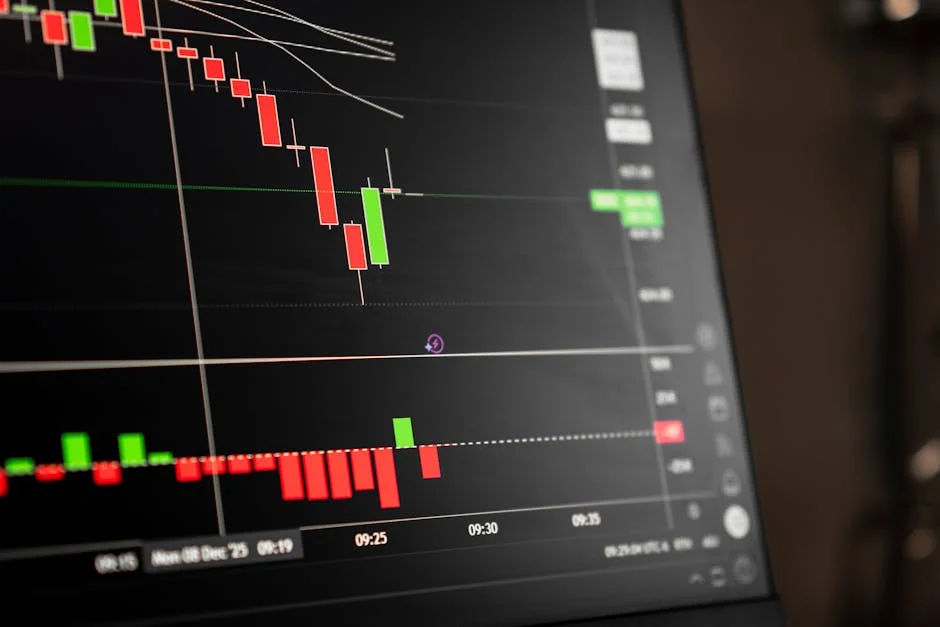
These measures are part of a broader strategy to counteract the slowing growth rates that Nada has experienced over the past year. The country's GDP growth slowed to 2.5% in 2023, down from 3.8% in 2022, according to the Nada Statistical Office.
Impact on Markets and Businesses


The immediate reaction from the market has been mixed. While some sectors, such as technology and manufacturing, have welcomed the tax cuts, others remain cautious. Financial analysts at Greenfield Investments argue that the short-term gains might not be sustainable without addressing underlying structural issues in the economy.
Local businesses in Nada City are optimistic, with many planning to reinvest their tax savings into expansion and innovation. However, concerns remain about inflationary pressures and the ability of the government to maintain fiscal discipline.
Investor Reactions and Global Implications
International investors are closely watching Nada's moves. The reduction in tax rates could make Nada an attractive destination for foreign direct investment, particularly from neighbouring countries. However, investors are wary of potential volatility, given the recent fluctuations in the Nada currency, which has depreciated by 8% against the US dollar over the past six months.
Financial expert, Emily Chen from Global Finance Advisory, notes that Nada's policy changes could set a precedent for other countries in the region, potentially reshaping economic alliances and trade dynamics.
What to Watch Next
The coming months will be crucial in determining the success of Nada's new economic policies. Key indicators to watch include the fluctuation of the Nada currency, changes in foreign investment levels, and the government's ability to manage inflation. Additionally, the upcoming economic summit in Nada City in April 2024 will provide further insights into the region's economic strategy and prospective international partnerships.
See Also
- Michigan Synagogue Shooting Shakes Detroit - What's the Market Impact?
- Artemis II Crew Claims 'Best Friends' After Mission — Space Industry Reacts
Key indicators to watch include the fluctuation of the Nada currency, changes in foreign investment levels, and the government's ability to manage inflation. Financial analysts at Greenfield Investments argue that the short-term gains might not be sustainable without addressing underlying structural issues in the economy.Local businesses in Nada City are optimistic, with many planning to reinvest their tax savings into expansion and innovation.