The United States faces a pivotal moment as voters prepare to evaluate the economic legacy of Donald Trump. Markets are already pricing in the potential outcomes, with investors closely watching inflation data and trade policy shifts. This election will determine the trajectory of global markets, affecting businesses from London to Tokyo. The stakes are high for the global economy, with supply chains and currency values hanging in the balance. Investors are bracing for significant volatility as the political landscape shifts.
The Current Economic Landscape
The US economy presents a mixed picture that complicates the narrative for both parties. Inflation has cooled from its peak but remains sticky in certain sectors, particularly housing and services. The Federal Reserve has maintained interest rates at relatively high levels to tame price growth. This monetary policy has helped strengthen the dollar but has also increased borrowing costs for businesses. Consumers are feeling the pinch, with savings depleting and credit card debt rising.
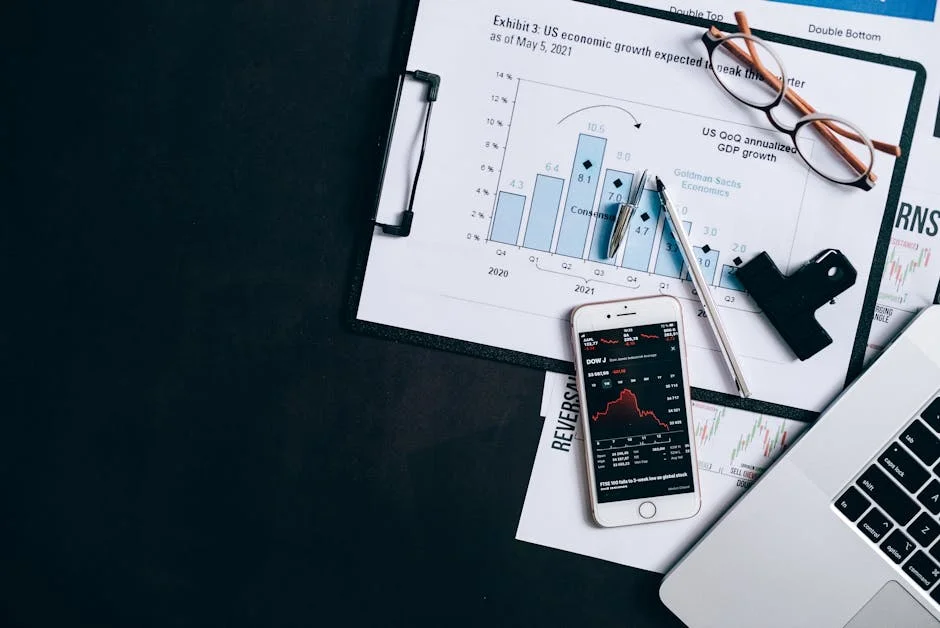
Unemployment remains historically low, hovering around 3.7 percent, which suggests a resilient labor market. However, wage growth has slowed, indicating that the purchasing power of the average American is under pressure. These dynamics create a complex backdrop for the election, where economic sentiment often outweighs raw data. Voters in key swing states like Pennsylvania and Michigan are particularly sensitive to these trends. The contrast between Wall Street optimism and Main Street anxiety is stark.
Market Reactions to Political Uncertainty


Financial markets have reacted with heightened volatility to the political uncertainty surrounding the election. The S&P 500 has seen significant swings, driven by expectations of potential policy changes. Investors are hedging their bets, with gold and Treasury bonds seeing increased demand as safe-haven assets. The dollar index has fluctuated, reflecting shifting expectations about Federal Reserve policy under different administrations. This uncertainty is not confined to the US, with European and Asian markets also feeling the ripple effects.
Currency markets are particularly sensitive to the prospect of a Trump victory. The dollar has strengthened on expectations of higher tariffs and increased government spending. This strength poses challenges for US exporters, making their goods more expensive on the global stage. Conversely, a stronger dollar benefits US consumers by making imports cheaper. However, it also increases the burden on emerging market economies that have dollar-denominated debt. The interplay between politics and currency values is a critical factor for global investors.
Trade Policy and Global Supply Chains
Trade policy is likely to be a central theme of the campaign, with significant implications for global supply chains. Donald Trump has advocated for aggressive tariff measures, particularly on Chinese imports. These tariffs could range from 10 percent across the board to 60 percent on Chinese goods. Such measures would likely trigger retaliatory actions from trading partners, leading to a new era of trade wars. This could disrupt established supply chains, forcing companies to reconsider their manufacturing locations.
Impact on Key Industries
The automotive industry is particularly vulnerable to changes in trade policy. Many car manufacturers rely on a complex network of suppliers across North America and Europe. Higher tariffs could increase production costs, which may be passed on to consumers in the form of higher prices. The technology sector also faces risks, with potential restrictions on Chinese tech companies like Huawei and TSMC. These companies are integral to the global semiconductor supply chain, which has already faced disruptions. The energy sector could benefit from a "drill, baby, drill" approach, potentially lowering oil and gas prices. However, this depends on the extent of deregulation and new exploration permits.
Businesses are already preparing for these potential shifts. Some companies are accelerating their "China plus one" strategy, diversifying production to countries like Vietnam and Mexico. This trend is likely to continue regardless of the election outcome, but the pace may accelerate under a Trump administration. The uncertainty is prompting firms to delay major capital expenditure decisions. This caution could have a dampening effect on economic growth in the short term. Supply chain resilience is becoming a key competitive advantage for businesses.
Fiscal Policy and Government Spending
Fiscal policy will also play a crucial role in shaping the economic outlook. A Trump victory could see a renewal and expansion of tax cuts for corporations and individuals. These cuts were a hallmark of his first term and are expected to be extended or expanded. This approach aims to stimulate investment and consumer spending. However, it also risks increasing the federal deficit, which has already reached record highs. The national debt has surpassed $34 trillion, raising concerns about long-term fiscal sustainability.
Increased government spending could provide a short-term boost to the economy. Infrastructure projects and defense spending are likely to be prioritized. However, this spending could also fuel inflation, forcing the Federal Reserve to keep interest rates higher for longer. This scenario would be challenging for mortgage holders and small businesses that rely on credit. The balance between stimulating growth and controlling inflation will be a key challenge for policymakers. Investors will be closely watching the 10-year Treasury yield as a barometer of market expectations.
Investor Strategies and Risk Management
Investors are adjusting their portfolios to account for the political risk. Diversification remains a key strategy, with assets spread across different sectors and geographies. Defensive stocks, such as utilities and consumer staples, are seeing increased interest. These sectors tend to perform well during times of economic uncertainty. Growth stocks, particularly in the technology sector, may face headwinds if interest rates remain high. Value stocks could benefit from a shift towards profitability and cash flow.
Fixed-income investors are also facing challenges. With interest rates at relatively high levels, bond yields are attractive. However, the risk of inflation resurging could erode real returns. Inflation-linked bonds, such as Treasury Inflation-Protected Securities (TIPS), are gaining popularity. These securities adjust their principal value based on changes in the Consumer Price Index. This provides a hedge against unexpected inflation. Investors are also looking at alternative assets, such as real estate and commodities, to diversify their risk. The key is to maintain a balanced portfolio that can withstand different economic scenarios.
Global Implications and Alliances
The outcome of the US election will have far-reaching implications for global alliances. A Trump administration is likely to pursue a more transactional approach to foreign policy. This could lead to shifts in trade agreements and defense commitments. European allies, in particular, are watching closely, as the US-EU trade relationship is a critical component of the global economy. The potential for new tariffs on European goods could strain relations. This could impact exports from key industries like automotive and luxury goods.
In Asia, the relationship with China will remain a focal point. A more aggressive trade policy could lead to further decoupling of the two largest economies. This would have significant implications for global growth and supply chains. Emerging markets may also feel the impact, as they often rely on exports to the US and China. The strength of the dollar could make it more expensive for these countries to service their debt. Geopolitical tensions could also increase, affecting energy prices and commodity markets. The global economy is interconnected, and changes in US policy will have ripple effects worldwide.
What to Watch Next
As the election date approaches, investors and businesses must remain vigilant. Key economic indicators, such as inflation data and employment figures, will continue to shape market expectations. The Federal Reserve's monetary policy decisions will also be critical. Investors should monitor the 10-year Treasury yield and the dollar index for signals of market sentiment. Political developments, including debates and polling data, will also influence market volatility. It is essential to stay informed and adjust strategies accordingly. The coming months will be crucial in determining the economic trajectory of the US and the world. Watch for any announcements on trade policy or fiscal measures that could signal the direction of the next administration.
See Also
- Hezbollah Fires Rockets at Israel — Testing US-Backed Ceasefire
- Starmer Faces Labour Revolt — UK Markets Brace for Shock
What is the latest news about trump economy test markets brace for volatility ahead of us vote?
Why does this matter for world-news?
What are the key facts about trump economy test markets brace for volatility ahead of us vote?