The worldwide effort to trace passengers from a cruise ship struck by hantavirus has escalated into a major economic stress test for the global tourism sector. Investors are watching closely as health authorities in multiple countries coordinate to isolate cases, creating immediate uncertainty for the hospitality industry. This situation highlights the fragile balance between public health safety and the financial stability of travel-dependent economies.
Immediate Market Reactions and Investor Sentiment
Financial markets have reacted swiftly to the news, with cruise line stocks experiencing notable volatility. The uncertainty surrounding the virus's transmission rate and the duration of quarantine measures has prompted investors to adopt a cautious stance. Analysts are now scrutinizing the financial health of major carriers to determine their resilience against prolonged disruptions.
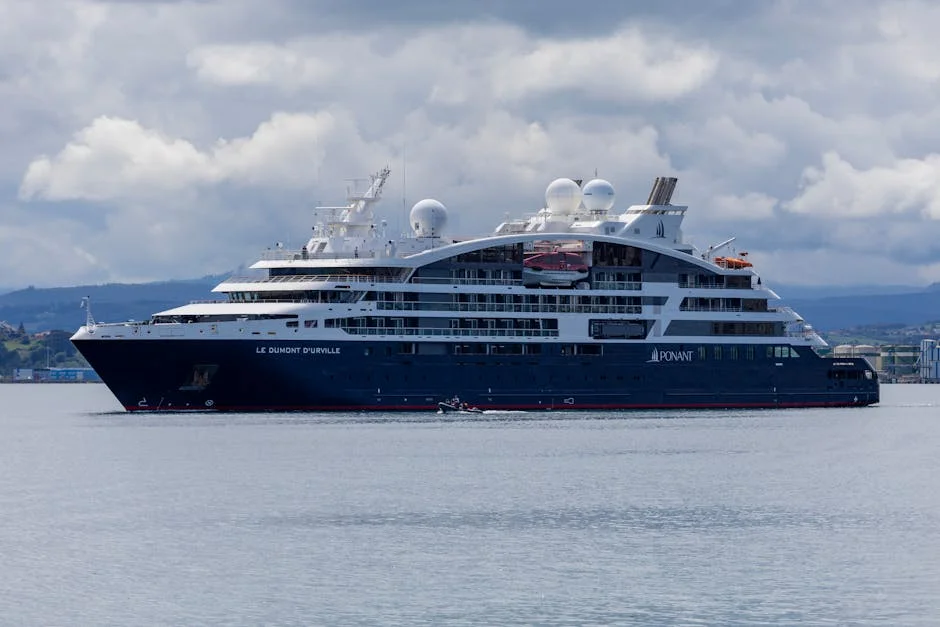
The ripple effects extend beyond the cruise industry, impacting related sectors such as hotel chains, airlines, and insurance providers. Travel insurance premiums are expected to rise as underwriters reassess risk models in light of the outbreak. This adjustment reflects the broader economic implication of health crises on consumer confidence and spending patterns in the travel market.
Market participants are particularly concerned about the potential for a "contagion effect" in consumer behavior. If travelers perceive cruise vacations as high-risk, booking cancellations could surge, leading to revenue shortfalls for operators. This dynamic underscores the importance of transparent communication from health authorities to stabilize market expectations.
Public Health Protocols and Economic Costs

Health officials are implementing rigorous tracing protocols to contain the spread of hantavirus. These measures involve detailed contact tracing, which requires significant administrative resources and coordination across borders. The economic cost of these protocols includes direct expenditures on testing, quarantine facilities, and healthcare staffing.
The financial burden on governments is substantial, particularly for countries with popular cruise destinations. Local economies that rely heavily on cruise tourism face immediate revenue losses as ships anchor further from ports or extend their stays in quarantine zones. This situation necessitates strategic fiscal responses to mitigate the impact on local businesses and employment.
Businesses in the hospitality sector are adapting by enhancing sanitation protocols and offering flexible cancellation policies. These operational adjustments, while necessary, increase overhead costs and compress profit margins. Companies must balance the need for safety with the financial imperative to remain competitive in a volatile market environment.
Impact on Local Economies
Port cities are feeling the immediate economic pinch as cruise ships delay arrivals or extend departures. Local vendors, tour operators, and restaurants see a direct correlation between ship schedules and daily revenue streams. The uncertainty disrupts supply chains and labor planning, creating operational inefficiencies for small businesses.
Government intervention may be required to support these local economies through targeted subsidies or tax relief measures. The effectiveness of these interventions will depend on the duration of the outbreak and the speed of recovery in passenger numbers. Policymakers must act decisively to prevent long-term structural damage to the tourism infrastructure.
Consumer Behavior and Travel Demand
Consumer confidence is a critical factor in the recovery of the cruise industry. Past health crises have shown that traveler sentiment can remain subdued for months or even years after an outbreak. This lag in demand recovery poses a significant challenge for cruise lines looking to stabilize their cash flows and plan future itineraries.
Marketers are focusing on highlighting safety measures and health certifications to reassure potential passengers. The effectiveness of these campaigns will determine the pace of booking recovery. Consumers are likely to prioritize destinations and carriers with proven track records in health management, influencing market share dynamics.
The shift in consumer preferences may also accelerate trends towards smaller ships or river cruises, which are perceived as less crowded. This structural shift in demand could influence long-term investment decisions by cruise manufacturers and operators. Companies that fail to adapt to these changing preferences may face competitive disadvantages in the post-outbreak market.
Supply Chain and Operational Disruptions
The hantavirus outbreak has exposed vulnerabilities in the global cruise supply chain. Delays in port arrivals disrupt the scheduling of provisions, fuel, and maintenance services. These operational bottlenecks increase costs and reduce efficiency, impacting the bottom line for cruise operators and their suppliers.
Suppliers are facing cash flow challenges as payments are delayed due to extended quarantine periods. This financial strain can ripple through the supply chain, affecting everything from food producers to laundry services. Strengthening financial reserves and diversifying supplier bases are becoming strategic priorities for industry players.
Logistics companies are also adapting by optimizing routes and adjusting delivery schedules to accommodate the new normal. These adjustments require significant investment in technology and data analytics to maintain service levels. The ability to respond quickly to disruptions will be a key differentiator in the competitive landscape.
Regulatory Responses and Policy Implications
Regulators are reviewing health and safety standards for cruise ships to prevent future outbreaks. This review process may lead to stricter requirements for ventilation systems, passenger density, and medical facilities on board. Compliance with these new standards will require capital investments from cruise lines, impacting their financial planning.
The regulatory response also includes enhanced coordination between health agencies and maritime authorities. This collaboration aims to streamline the response to future health crises, reducing economic disruption. Effective regulation can enhance consumer confidence and support the long-term stability of the cruise industry.
Policymakers must balance the need for rigorous health standards with the economic viability of cruise operations. Over-regulation could stifle growth, while under-regulation risks future outbreaks. Finding the right balance is crucial for sustaining the industry's contribution to the global economy.
Long-Term Strategic Implications for the Industry
The hantavirus outbreak serves as a wake-up call for the cruise industry to prioritize resilience and adaptability. Companies are investing in digital health monitoring systems and data analytics to predict and respond to health risks more effectively. These technological advancements can provide a competitive edge and enhance passenger safety.
Strategic partnerships with health organizations and technology firms are becoming increasingly important. These collaborations can drive innovation in health management and operational efficiency. The industry's ability to leverage these partnerships will influence its long-term growth trajectory and market position.
Investors are looking for cruise lines with strong balance sheets and robust health management strategies. These companies are better positioned to weather future uncertainties and capitalize on recovery opportunities. The focus on financial health and operational resilience is reshaping investment criteria in the sector.
Global Coordination and Future Outlook
International cooperation is essential for managing the economic impact of the hantavirus outbreak. Countries are sharing data and best practices to coordinate health responses and minimize travel disruptions. This global approach helps to stabilize markets and restore consumer confidence more quickly.
The effectiveness of global coordination will depend on the willingness of nations to share resources and information. This collaboration can reduce the economic burden on individual countries and promote a more uniform recovery across the tourism sector. Strong international partnerships are a key asset in managing global health crises.
Looking ahead, the cruise industry must remain vigilant and adaptable to emerging health threats. Continuous monitoring of health data and consumer sentiment will be crucial for strategic planning. The industry's resilience will be tested by future outbreaks, making proactive management essential for long-term success.
Investors and businesses should monitor the next quarterly earnings reports from major cruise lines for signs of stabilization. The release of updated health guidelines from the World Health Organization will also be a critical indicator of the recovery timeline. These developments will provide clarity on the economic trajectory of the global cruise market.
See Also
- UK Watchdog Warns of Two-Tier Health System as Private Care Rises
- Crescent Pharma Recalls Third Blood Pressure Drug — Market Faces New Uncertainties