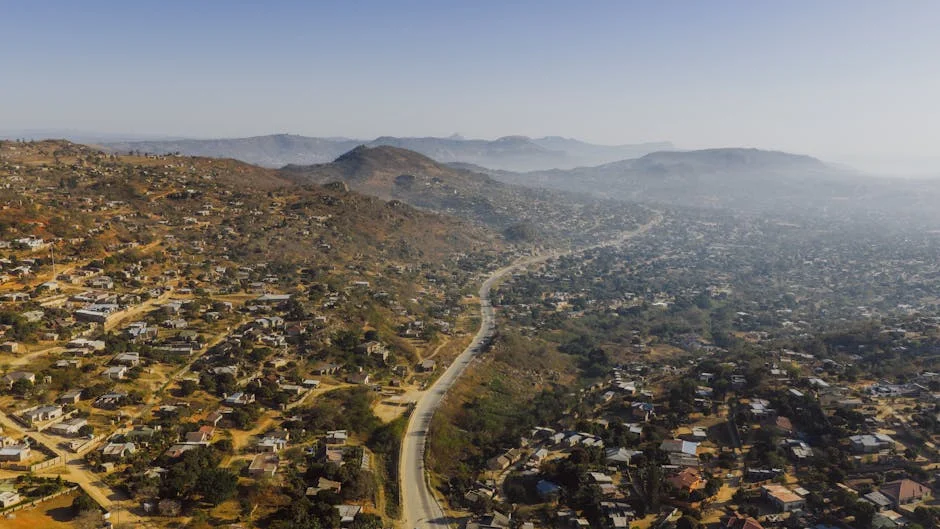
A catastrophic landslide triggered a 500-meter-high tsunami in a premier global tourist destination, sending immediate shockwaves through international equity markets. The sheer scale of the physical destruction has forced investors to rapidly reassess the resilience of the hospitality and insurance sectors. This event is not merely a geographical anomaly but a potential inflection point for global risk pricing. The economic implications extend far beyond the immediate coastline, affecting supply chains and consumer confidence worldwide. Markets reacted swiftly as trading opened, with volatility indices spiking in response to the sudden uncertainty. The incident highlights the fragility of high-value assets in geologically active zones. Investors are now scrutinizing balance sheets for hidden liabilities related to natural catastrophes. The speed of the market response underscores the interconnectedness of modern economic systems. This disaster serves as a stark reminder of the financial vulnerability of tourism-dependent economies. The ripple effects are already visible in currency fluctuations and commodity prices.
Immediate Market Volatility and Equity Reactions
Global equity markets experienced a sharp correction following the confirmation of the tsunami's magnitude. The Dow Jones and European indices both dipped as algorithmic traders reacted to breaking news feeds. Analysts observed a flight to safety, with gold and government bonds seeing increased demand. This reaction is typical for high-impact, low-frequency events that disrupt cash flows. However, the specific impact on the tourism sector was more pronounced than in previous disasters. Travel-related stocks, including major airlines and hotel chains, saw single-digit percentage drops. The uncertainty surrounding the duration of the recovery phase weighed heavily on investor sentiment. Hedge funds began to adjust their portfolios to hedge against further geopolitical and environmental risks. The initial sell-off was driven by fears of prolonged closure of key tourist hubs. Market makers widened spreads to account for the sudden influx of sell orders. This volatility is expected to persist until clearer data on infrastructure damage emerges. The financial community is now waiting for official assessments to guide long-term positioning.

Insurance Sector Faces Massive Liability Exposure

The insurance industry is bracing for one of the largest payout events in recent decades. Reinsurance giants, such as Munich Re and Swiss Re, are reviewing their exposure in the affected region. The 500-meter height of the wave suggests that standard flood and wind coverage may be insufficient. This could lead to a surge in claims that exceed the initial estimates. Insurers are likely to raise premiums for properties in coastal and mountainous areas. The financial strain on local insurance providers could trigger a wave of mergers or acquisitions. Global reinsurers may also tighten underwriting criteria for emerging markets. This shift could make borrowing and investing more expensive for businesses in the region. The potential for a liquidity crunch in the local insurance market is a growing concern. Investors in the insurance sector are watching for signs of capital calls from reinsurers. The outcome of this event could reshape the global insurance landscape for years to come. The financial resilience of the sector will be tested by the speed and scale of the payouts.
Tourism Industry Disruption and Revenue Loss
The tourism sector faces an immediate and severe revenue shock due to the destruction of key infrastructure. Hotels, resorts, and local businesses are grappling with cancelled bookings and delayed arrivals. The psychological impact on travelers may lead to a prolonged dip in tourist numbers. Confidence in the destination's safety is crucial for the industry's recovery. Governments are likely to introduce stimulus packages to boost visitor numbers. These measures may include tax incentives and marketing campaigns aimed at key source markets. The local economy, heavily reliant on tourism, will suffer from reduced foreign exchange earnings. Small and medium-sized enterprises are particularly vulnerable to cash flow disruptions. The ripple effect extends to suppliers, including food producers and transportation services. Investors in the tourism sector are advising patience, noting that recovery can take years. The long-term impact will depend on the speed of infrastructure rehabilitation. The global tourism board is monitoring the situation to gauge broader trends. This event highlights the need for diversification in tourism-dependent economies.
Supply Chain and Logistics Bottlenecks
The disruption extends beyond direct tourism revenue to affect global supply chains. Key ports and airports in the region may face temporary closures or reduced capacity. This can lead to delays in the delivery of goods to international markets. Logistics companies are rerouting shipments to minimize the impact on just-in-time delivery models. The cost of freight may increase due to the scarcity of available space on ships and planes. This inflationary pressure could affect consumer prices in importing countries. The UK and other major trading partners are monitoring the situation closely. Any prolonged disruption could lead to a rise in consumer price indices. Businesses are reviewing their inventory management strategies to build in more buffer stock. The event underscores the vulnerability of global trade to environmental shocks. Supply chain resilience is becoming a key metric for investors. Companies with diversified sourcing strategies are likely to fare better. The logistics sector is poised for a period of heightened activity and cost increases.
Investor Perspective: Risk Reassessment
Investors are using this event as a case study for environmental risk management. The integration of climate and geological data into financial models is becoming more critical. Asset managers are reviewing the exposure of their portfolios to coastal and mountainous regions. This reassessment could lead to a repricing of real estate and infrastructure assets. The concept of "stranded assets" may gain traction if certain areas become less attractive for investment. Investors are looking for companies with strong balance sheets and robust insurance coverage. The event highlights the importance of due diligence in emerging markets. Financial institutions are likely to introduce new products to help businesses hedge against natural disasters. The demand for catastrophe bonds and weather derivatives may increase. This shift reflects a broader trend towards environmental, social, and governance (ESG) investing. The financial sector is adapting to a world where natural shocks are more frequent and severe. Investors who ignore these risks may face unexpected losses in the future. The lesson is clear: resilience is a key driver of long-term value creation.
Economic Recovery and Government Response
The government is expected to announce a comprehensive recovery plan to stabilize the local economy. This plan will likely include direct financial aid to affected businesses and households. Infrastructure reconstruction will be a major component of the stimulus package. Public-private partnerships may play a key role in financing the rebuilding efforts. The speed of the response will influence investor confidence in the region's economic prospects. Effective governance and transparent communication are crucial for restoring stability. The government may also introduce regulatory changes to improve building codes and land use planning. These measures aim to reduce future vulnerability to similar disasters. The economic impact will be monitored through key indicators such as GDP growth and employment rates. The recovery process will provide insights into the effectiveness of disaster management strategies. Investors will watch for signs of economic revitalization in the months ahead. The success of the recovery plan will depend on the coordination between various stakeholders.
Future Outlook and Market Indicators
The financial markets will continue to monitor the situation for signs of stabilization. Key indicators to watch include insurance claim settlements and tourism booking trends. The performance of local currencies will also provide clues about economic health. Investors should remain cautious but look for opportunities in resilient sectors. The event serves as a reminder of the importance of diversification in investment portfolios. Long-term investors may find value in companies with strong recovery plans. The global economy is interconnected, and shocks in one region can have widespread effects. Staying informed and adaptable is key to navigating such uncertainties. The coming weeks will be critical in determining the long-term economic impact. Markets will react to new data and policy announcements as they emerge. Investors should prepare for continued volatility until a clearer picture forms. The resilience of the global economy will be tested by how well it adapts to this challenge.
Investors and businesses should monitor the upcoming quarterly earnings reports from major tourism and insurance companies for initial financial impacts. The central bank's next policy meeting will also be a key event to watch for interest rate adjustments in response to inflationary pressures. Regulatory bodies are expected to release new guidelines for disaster risk management within the next six months.
See Also
- Wife Sentenced to Life for Plotting Husband’s Murder — Secrets Exposed
- Next Warns of Job Collapse — What Investors Must Watch Now