Foot and Mouth Disease has re-emerged in vaccinated herds across KwaZulu-Natal, sending shockwaves through South Africa’s agricultural sector. The unexpected outbreak threatens to stall critical export deals and forces an immediate reassessment of national biosecurity strategies. Markets are already reacting to the potential loss of premium pricing for South African beef in key international hubs.
Outbreak Details in KwaZulu-Natal
The discovery of the virus in cattle that had previously received immunization marks a troubling development for the region's livestock industry. Officials in KwaZulu-Natal confirmed the cases after routine testing revealed the presence of the virus in several commercial farms. This finding contradicts earlier assumptions that current vaccination protocols offered near-total protection against the prevailing strain.
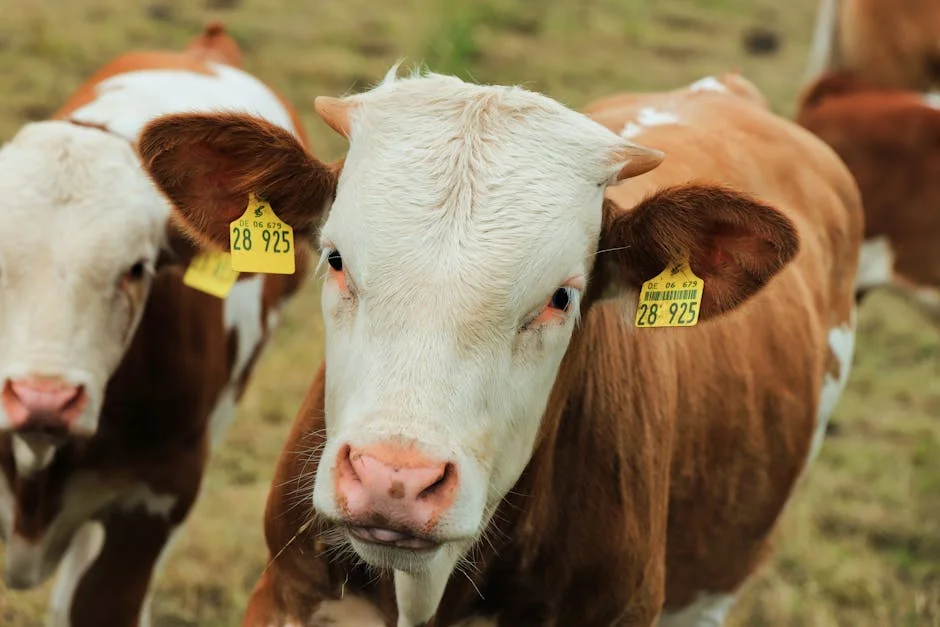
The speed at which the disease has spread within these vaccinated groups suggests a potential mutation or a lapse in cold-chain logistics during distribution. Farmers in the coastal regions of KZN are reporting higher mortality rates than usual, which adds financial pressure to an already tight operational margin. The local agricultural union has called for an emergency meeting to address the immediate logistical challenges facing producers.
Immediate Market Reactions

Financial markets have responded swiftly to the news, with agricultural stocks showing volatility as investors digest the potential revenue impact. The JSE Agri Index saw a slight dip as traders priced in the risk of delayed shipments to major buyers in Asia and Europe. Exporters are particularly concerned about the "cooling off" periods that importing countries often impose when FMD is detected in neighboring zones.
The uncertainty surrounding the severity of the outbreak has led to a cautious approach from international buyers. Many contracts include strict biosecurity clauses that allow for immediate price adjustments or even cancellations if disease prevalence exceeds certain thresholds. This contractual flexibility means that South African producers could face sudden drops in income if the situation is not contained within weeks rather than months.
Export Restrictions and Trade Flows
Key trading partners such as China and the United States maintain rigorous inspection regimes for South African beef. Any confirmation of widespread infection could trigger temporary bans, which would severely disrupt the supply chain. The economic cost of these bans is not just lost sales but also the potential loss of market share to competitors like Brazil and Australia.
Logistics companies are also bracing for potential disruptions, as quarantine zones often require specialized transport and storage facilities. The cost of maintaining these standards can erode profit margins significantly, especially for smaller exporters who lack the economies of scale enjoyed by larger agribusiness conglomerates. Investors are watching these logistical costs closely as they impact the bottom line of major agricultural firms.
Impact on Local Businesses
Local abattoirs and processing plants are facing immediate operational hurdles as they implement stricter hygiene protocols. The cost of compliance has risen sharply, with many facilities needing to upgrade their ventilation and cleaning systems to prevent cross-contamination. These capital expenditures come at a time when cash flow is already tight for many medium-sized enterprises in the sector.
Smallholder farmers are particularly vulnerable to the economic shock, as they often lack the financial reserves to withstand prolonged market disruptions. Without access to credit or insurance, many may be forced to sell their herds at a discount to cover immediate expenses. This potential liquidation could lead to a short-term glut in the domestic market, further depressing prices for all producers.
The ripple effects extend beyond the farm gate, impacting suppliers of feed, veterinary services, and transport. Businesses that rely on the steady flow of cattle products may see a decline in orders as producers hold back on new investments. This contraction in business activity could have broader implications for the rural economy, where agriculture remains a primary driver of employment and growth.
Investor Perspective on Agricultural Stocks
Investors are re-evaluating the risk profile of South African agricultural companies in light of the outbreak. The key concern is the duration of the disruption and the effectiveness of the government's response. Companies with strong balance sheets and diversified export markets are likely to fare better than those heavily reliant on a single region or buyer.
Diversification strategies are becoming increasingly important for investors looking to mitigate the risks associated with biosecurity threats. Portfolios that include a mix of crop and livestock producers may offer more stability during periods of disease outbreak. Additionally, companies that have invested in technology for disease tracking and management are viewed more favorably by the market.
The potential for government intervention is another factor influencing investor sentiment. Subsidies, tax breaks, or direct financial aid could provide a cushion for affected businesses. However, the timing and scale of these measures are often uncertain, leading to volatility in stock prices as markets anticipate policy announcements from Pretoria.
National Biosecurity Strategy Under Scrutiny
The outbreak has intensified calls for a rapid national rollout of updated vaccines and improved surveillance systems. Critics argue that the current approach is too fragmented, with different provinces adopting varying standards for disease management. A unified national strategy is seen as essential to maintaining the credibility of South Africa's beef exports on the global stage.
The Department of Agriculture, Land Reform and Rural Development is under pressure to demonstrate decisive leadership in managing the crisis. This includes coordinating with provincial authorities to ensure consistent application of quarantine measures and vaccination schedules. The effectiveness of this coordination will be a key indicator of the government's ability to handle future agricultural challenges.
Long-term investments in research and development are also being highlighted as critical components of a robust biosecurity framework. Understanding the genetic makeup of the virus and its interaction with different cattle breeds can help in designing more effective vaccines. This scientific approach is essential for reducing the frequency and severity of future outbreaks.
Economic Consequences for the Sector
The economic impact of the Foot and Mouth Disease outbreak extends beyond immediate sales losses to include long-term structural changes in the industry. Producers may need to invest more heavily in infrastructure and technology to meet evolving international standards. These investments, while costly, could enhance the overall competitiveness of the South African beef sector.
Inflationary pressures could also emerge if the supply of beef contracts due to the outbreak. Higher prices at the retail level might affect consumer spending patterns, particularly in price-sensitive segments of the market. This could have broader macroeconomic implications, influencing inflation rates and monetary policy decisions by the Reserve Bank.
The tourism and hospitality sectors may also feel the pinch if beef prices rise significantly. Restaurants and hotels, which are major consumers of South African beef, might need to adjust their menus or absorb higher costs to maintain profitability. This interconnectedness highlights the widespread economic importance of the agricultural sector in South Africa.
Policy Responses and Future Regulations
Regulatory bodies are likely to introduce stricter guidelines for disease reporting and management in the coming months. These regulations could include mandatory vaccination records for all exported cattle and enhanced border controls to prevent the reintroduction of the virus. Compliance with these new rules will require significant administrative effort from producers.
The government may also consider establishing a dedicated fund to support farmers affected by future outbreaks. This fund could provide financial assistance for vaccination costs, quarantine expenses, and lost income. Such a mechanism would help stabilize the sector and reduce the financial uncertainty faced by individual producers.
Looking Ahead: Critical Timelines
The next six weeks will be crucial in determining the scale of the economic impact of the outbreak. Key milestones include the completion of the initial vaccination drive in KwaZulu-Natal and the announcement of any new export restrictions by major trading partners. Investors and businesses should monitor these developments closely to adjust their strategies accordingly.
Stakeholders should watch for the release of the quarterly agricultural report from Statistics South Africa, which will provide detailed data on herd sizes, mortality rates, and production volumes. This data will offer valuable insights into the resilience of the sector and the effectiveness of the mitigation measures implemented so far. Preparing for potential volatility is essential for all market participants.
See Also
- CSIR Warns Africa Risks $4.2 Billion E-Waste Economy Opportunity
- Reds Cubs Odds Shift: How Betting Markets React to VE
The effectiveness of this coordination will be a key indicator of the government's ability to handle future agricultural challenges. Long-term investments in research and development are also being highlighted as critical components of a robust biosecurity framework.
What is the latest news about kzn cattle fever alert triggers urgent market review?
Why does this matter for politics?
What are the key facts about kzn cattle fever alert triggers urgent market review?