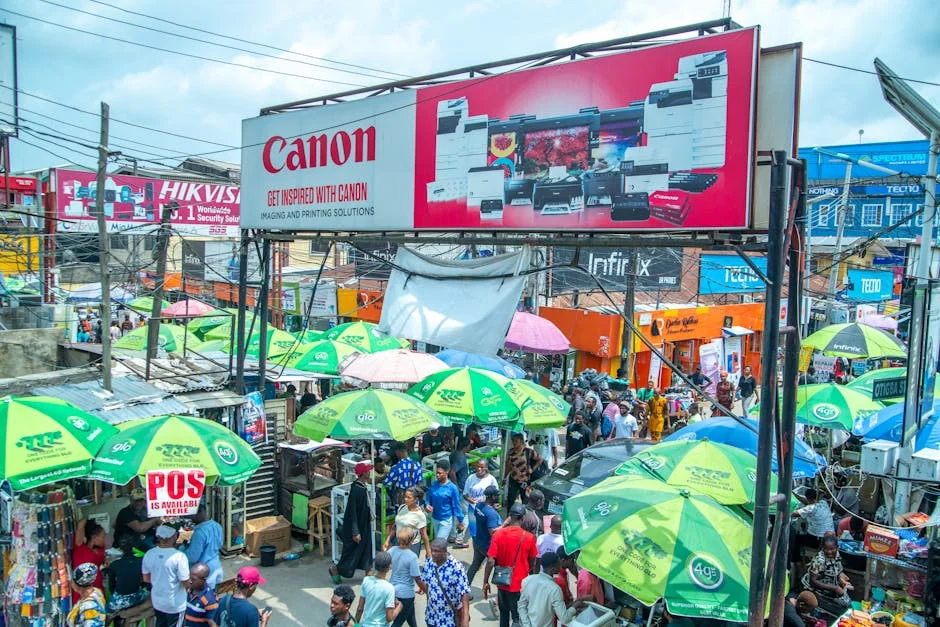
The Nigerian government has launched a decisive campaign to clear the notorious Apapa and Tin Can Port corridors in Lagos, aiming to slash logistics costs that have long plagued exporters and importers. This intervention targets the chronic bottlenecks that force trucks to wait up to four days to unload containers, a delay that adds roughly 15% to the cost of goods across the country. Business leaders in Lagos have welcomed the move, viewing it as a critical step toward stabilising supply chains and boosting foreign direct investment in West Africa’s largest economy.
Unpacking the Port Congestion Crisis
The Apapa corridor is the economic artery of Nigeria, handling over 70% of the country’s containerised cargo. For years, the congestion has been legendary among logistics firms, with trucks idling for weeks in the sweltering heat of Lagos. This inefficiency directly impacts the bottom line for businesses that rely on just-in-time delivery models, particularly in the manufacturing and retail sectors. The Presidential Enabling Business Environment Council (PEBEC) has identified this logistical nightmare as a primary barrier to economic growth.
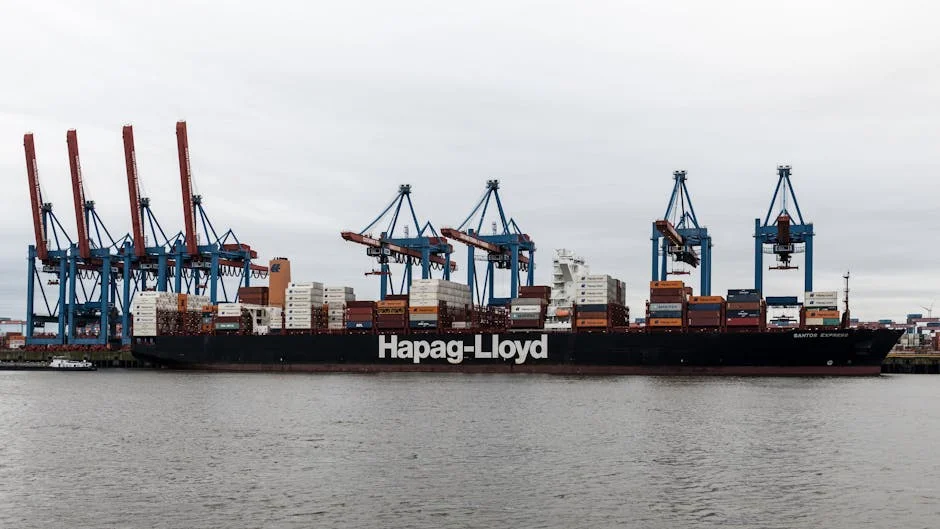
Truck drivers, often referred to as the backbone of the port system, face unpredictable schedules that disrupt their cash flow. Delays mean higher fuel consumption and increased wear and tear on vehicles, costs that are inevitably passed on to consumers. The government’s latest intervention includes deploying additional customs officers and implementing a digital tracking system to monitor truck movements. These measures are designed to reduce the human element of decision-making, which has historically been a source of inefficiency and, at times, corruption.
Economic Impact on Markets and Investors


For investors, the clearing of the Apapa and Tin Can corridors signals a potential reduction in operational risks. High logistics costs have long been cited as a deterrent for foreign companies looking to establish a manufacturing base in Nigeria. By reducing the time goods spend in transit, the government aims to make Nigerian exports more competitive in global markets. This is particularly crucial for the non-oil export sector, which includes agricultural products like sesame seeds and cocoa, as well as manufactured goods such as textiles and leather.
The stock market in Lagos has reacted positively to the news, with logistics and consumer goods companies seeing a slight uptick in share prices. Analysts suggest that if the congestion eases significantly, the Nigerian Naira could benefit from improved trade balances. Faster clearance times mean that imports arrive sooner, helping to stabilise inflation rates, which have been volatile due to supply chain disruptions. Investors are watching closely to see if these initial gains will translate into sustained economic growth.
Business Implications for Local Enterprises
Local businesses in Lagos stand to gain the most immediate benefits from the port clearances. Small and medium-sized enterprises (SMEs) often struggle with cash flow due to the uncertainty of delivery times. When a container is stuck in Apapa, a retailer might need to hold more inventory, tying up capital that could be used for expansion or marketing. The government’s move to streamline the process allows these businesses to operate with greater predictability. This is vital for sectors like fast-moving consumer goods (FMCG), where shelf life and freshness are critical.
Manufacturing firms, which rely on imported raw materials, will also see a reduction in production costs. For example, a cement factory in Lagos that imports clinker can now plan its production schedules more accurately. This efficiency can lead to lower prices for end-consumers, providing some relief in an economy where inflation remains a key concern. The government has emphasized that the goal is not just to clear the ports but to create a sustainable system that prevents future bottlenecks.
Supply Chain Resilience
The resilience of Nigeria’s supply chain is being tested by these changes. Historically, the system has been fragile, prone to disruptions from strikes, fuel shortages, and administrative delays. The introduction of digital tools aims to add a layer of robustness to the system. By having real-time data on truck locations and container statuses, logistics companies can make better decisions. This data-driven approach is a shift from the traditional, often opaque, methods of port management.
However, the success of these initiatives depends on consistent implementation. Past reforms have sometimes faltered due to a lack of follow-through or political will. The current administration has shown a stronger commitment to business environment reforms, but time will tell if these measures can withstand the pressures of Lagos’s bustling trade ecosystem. Businesses are cautiously optimistic, hoping that this time the changes will stick.
Investor Confidence and Foreign Direct Investment
Foreign direct investment (FDI) in Nigeria has been mixed in recent years, with investors citing infrastructure deficits as a major hurdle. The port congestion is a visible symbol of these deficits. By addressing this specific pain point, the government is sending a signal to international investors that it is serious about doing business. This could lead to an increase in FDI, particularly in sectors that are heavily dependent on imports and exports. Companies in the technology and pharmaceutical industries, for instance, value reliable logistics for their supply chains.
The improvement in port efficiency also enhances Nigeria’s attractiveness as a regional hub. As African trade agreements like the African Continental Free Trade Area (AfCFTA) come into play, efficient ports become even more critical. Nigeria aims to be a gateway for trade in West Africa, and clearing the Apapa corridor is a step toward that goal. Investors looking at the broader African market will view Nigeria’s progress as a positive indicator of the country’s readiness to integrate further into the global economy.
Challenges and Potential Roadblocks
Despite the optimistic outlook, several challenges remain. The infrastructure in the Apapa corridor is still aging, with roads that are often in a state of disrepair. While digital solutions can optimize traffic flow, they cannot completely compensate for physical bottlenecks. The government has announced plans to expand the port facilities and improve the road network, but these projects require time and significant capital investment. Delays in these infrastructure projects could undermine the initial gains from the port clearances.
Labor unions also play a crucial role in the port ecosystem. The National Union of Road Transport Workers (NURTW) has historically been a powerful force, often staging strikes that bring the port to a standstill. Ensuring that the new systems are accepted by the workers is essential for long-term success. The government has engaged in dialogue with union leaders, but maintaining this consensus will require ongoing effort. Any breakdown in labor relations could quickly reverse the progress made in clearing the ports.
What to Watch Next
The coming months will be critical in determining the success of the government’s port clearance initiative. Investors and businesses will be monitoring key metrics such as the average time taken for a truck to clear the port, the volume of cargo handled, and the overall cost of logistics. The Presidential Enabling Business Environment Council is expected to release regular reports on these indicators, providing transparency and accountability. The market will react to these data points, adjusting its expectations for the Nigerian economy accordingly.
Stakeholders should also keep an eye on the implementation of the digital tracking system. Its adoption by truck drivers and port authorities will be a strong indicator of the reform’s depth. If the system is widely used and effective, it could become a model for other ports in Africa. The government has set a timeline for the initial phase of the project, with a review scheduled for the end of the quarter. This review will likely dictate the next steps in the broader strategy to improve Nigeria’s business environment.
See Also
- Five Ebola Survivors Discharged in DR Congo — Business, Investors Watch Next Move
- Goma Airport Reopens as DR Congo Ebola Cases Fall Sharply
Investor Confidence and Foreign Direct Investment Foreign direct investment (FDI) in Nigeria has been mixed in recent years, with investors citing infrastructure deficits as a major hurdle. This could lead to an increase in FDI, particularly in sectors that are heavily dependent on imports and exports.
What is the latest news about nigeria halts port gridlock trade costs drop for businesses?
Why does this matter for science?
What are the key facts about nigeria halts port gridlock trade costs drop for businesses?