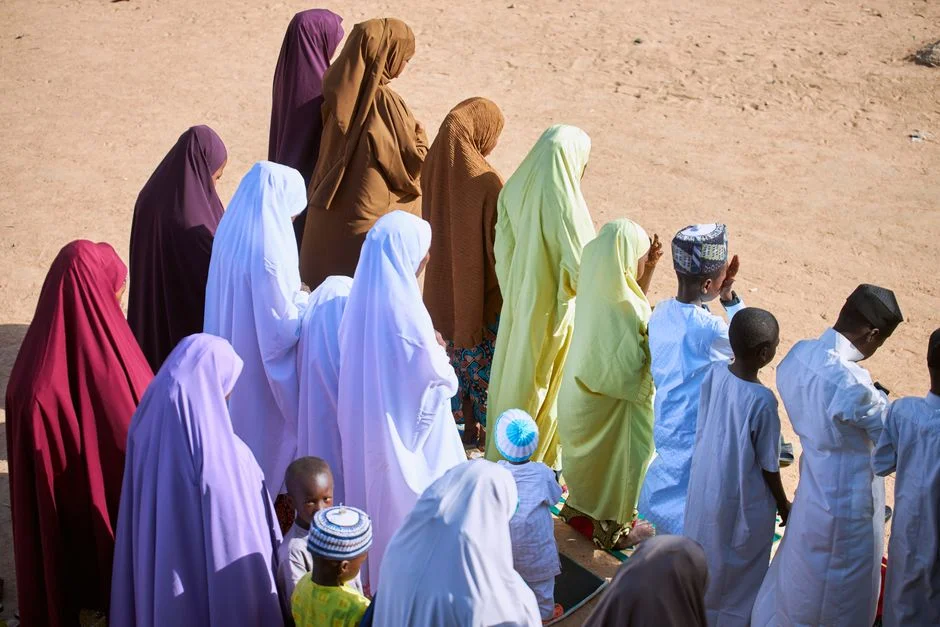
Borno State Governor Babagana Zulum has announced a comprehensive relief and resettlement strategy for displaced persons in Monguno, signaling a critical juncture for the region’s economic recovery. This initiative aims to stabilize communities in one of Nigeria’s most volatile northeastern territories, with direct implications for local markets and investor confidence. The pledge addresses immediate humanitarian needs while laying groundwork for broader commercial activity in the area.
Strategic Resettlement in Monguno
Governor Zulum’s announcement focuses on Monguno, a town in Borno State that has seen fluctuating stability due to the ongoing conflict in the Lake Chad Basin. The plan includes the distribution of relief items and a structured approach to resettling displaced families. This move is designed to reduce dependency on external aid and encourage self-sufficiency among residents.

The strategic importance of Monguno cannot be overstated. It serves as a key logistical hub for trade routes connecting northern Nigeria with neighboring countries. Stabilizing this area is essential for reopening commercial corridors that have been partially disrupted by security concerns. Investors are watching closely to see if this political commitment translates into tangible infrastructure improvements.
Humanitarian Aid and Economic Stimulus
The relief items pledged by the governor include food supplies, medical provisions, and temporary housing materials. These inputs are expected to inject immediate liquidity into the local economy. Local vendors and transport operators in Monguno are likely to benefit from the procurement and distribution processes, creating short-term employment opportunities.
However, the long-term economic impact depends on the durability of the resettlement plan. If families return to their homes with sustainable livelihoods, the local consumer base will expand. This expansion could attract small and medium-sized enterprises to the region, fostering a more robust market environment. The success of this initiative will be measured by the speed at which normalcy returns to Monguno’s streets.
Market Implications for Borno State


The economic landscape in Borno State is heavily influenced by security conditions. Any step toward stability in Monguno sends a positive signal to the broader market. Businesses that have been hesitant to expand into the northeast may now reconsider their strategies. This shift could lead to increased foreign direct investment in sectors such as agriculture, logistics, and retail.
Local markets in Monguno have historically struggled with supply chain disruptions. The resettlement plan aims to address these bottlenecks by ensuring a steady flow of goods and services. If the governor’s administration can maintain security and facilitate trade, prices for essential commodities may stabilize. This stabilization is crucial for reducing inflationary pressures in the region.
Investors are particularly interested in the agricultural potential of the Monguno area. The region has fertile land that has been underutilized due to conflict. With displaced persons returning, there is an opportunity to boost agricultural output. This increase in production could enhance Nigeria’s food security and provide surplus for export, benefiting the national economy.
Investor Confidence and Regional Stability
Investor confidence in Nigeria’s northeast has been fragile. The announcement by Governor Zulum is a test case for the region’s ability to deliver on political promises. Investors will look for concrete evidence of progress, such as the completion of housing projects and the reopening of key roads. These milestones will serve as indicators of the region’s readiness for sustained economic activity.
The role of the private sector in Monguno’s recovery is vital. Local businesses need to collaborate with the government to ensure that relief efforts are efficient and transparent. Public-private partnerships could accelerate the resettlement process and enhance the quality of infrastructure. This collaboration is essential for building trust between the government and the business community.
International investors are also paying attention to developments in Monguno. The region’s proximity to the Lake Chad Basin makes it a strategic location for energy and mining projects. Stability in Monguno could unlock new opportunities for exploration and production. This potential has attracted interest from both domestic and international firms looking to diversify their portfolios.
Impact on Local Businesses and Supply Chains
Local businesses in Monguno face unique challenges due to the region’s history of conflict. The resettlement plan aims to alleviate some of these challenges by providing a more stable environment for trade. Small businesses, in particular, stand to gain from the increased population and consumer spending. This growth could stimulate local entrepreneurship and innovation.
Supply chains in the region have been disrupted by security issues and infrastructure deficits. The governor’s pledge includes improvements to these supply chains, which are critical for economic recovery. Efficient logistics networks will enable businesses to move goods more quickly and at lower costs. This efficiency is essential for maintaining competitiveness in the broader Nigerian market.
The agricultural sector in Monguno is a key beneficiary of the resettlement plan. Farmers who return to their land can resume production, contributing to local food supplies. This increase in agricultural output will reduce reliance on imports and lower prices for consumers. It will also create jobs in related sectors, such as processing and distribution.
Broad Economic Consequences for Nigeria
The economic consequences of the Monguno resettlement plan extend beyond Borno State. A stable northeast contributes to Nigeria’s overall economic growth by reducing the fiscal burden of security spending. Resources allocated to maintaining peace can be redirected to development projects, boosting productivity. This reallocation of funds is a key factor in Nigeria’s long-term economic strategy.
Nigeria’s national economy is interconnected, and stability in one region often benefits others. The reopening of trade routes in Monguno will facilitate the movement of goods across the country. This increased connectivity will enhance market integration and reduce regional disparities. It will also strengthen Nigeria’s position in the broader West African economic landscape.
The success of the resettlement plan could serve as a model for other conflict-affected regions in Nigeria. If Monguno demonstrates that stability and economic growth can coexist, other states may adopt similar strategies. This replication effect could accelerate the country’s overall recovery from years of economic volatility. It would also enhance Nigeria’s reputation as a destination for investment.
International Perspectives and UK Connections
The developments in Monguno have implications for international partners, including the United Kingdom. The UK has significant investment interests in Nigeria, particularly in the energy and financial sectors. Stability in the northeast reduces risk for these investments, making Nigeria a more attractive destination for British capital. This alignment of interests fosters stronger economic ties between the two nations.
British companies operating in Nigeria are closely monitoring the situation in Monguno. The region’s stability affects supply chains and operational costs for these firms. A positive outcome in Monguno could lead to expanded operations and increased profitability for UK-based investors. This expansion would contribute to the growth of the UK’s export sector and create jobs back home.
The UK’s diplomatic engagement with Nigeria also plays a role in supporting stability in the northeast. British aid and investment in education and healthcare in the region contribute to long-term development. These efforts complement the governor’s resettlement plan by addressing underlying social and economic challenges. This holistic approach enhances the effectiveness of both national and international interventions.
Future Outlook and Key Indicators
The next few months will be critical in determining the success of the Monguno resettlement plan. Investors and analysts will watch for specific indicators, such as the number of families resettled and the rate of business reopening. These metrics will provide a clear picture of the plan’s impact on the local economy. They will also guide future policy decisions and investment strategies.
Governor Zulum’s administration faces the challenge of maintaining momentum. The initial surge of relief items must be followed by sustained infrastructure development and security improvements. Failure to deliver on these fronts could undermine confidence and stall economic recovery. The government must ensure transparency and accountability in the implementation of the plan.
Looking ahead, the focus will shift to long-term economic diversification in Monguno. While agriculture remains a key sector, there is potential for growth in manufacturing and services. Diversification will make the local economy more resilient to external shocks and create a broader tax base for the state. This diversification is essential for sustaining growth and improving living standards.
Stakeholders should monitor upcoming government reports and independent assessments of the resettlement plan. These sources will provide detailed data on progress and challenges. Investors should also watch for policy announcements that could further incentivize business activity in the region. The coming year will be decisive in shaping the economic future of Monguno and Borno State.
See Also
- Iran Halts Strait Blockade After US Pause — Oil Markets React
- Portugal Slams Visa Rules — UK Investors Face New Hurdles
What is the latest news about borno governor zulum pledges relief for monguno displaced market impact?
Why does this matter for politics?
What are the key facts about borno governor zulum pledges relief for monguno displaced market impact?