The United States has temporarily paused its military operations in the Middle East, a strategic decision that has prompted Iran to guarantee the free passage of vessels through the critical Strait of Hormuz. This diplomatic and military de-escalation has triggered an immediate reaction in global energy markets, sending oil prices into a period of volatile adjustment. Investors are closely watching how this shift will influence supply chains and inflationary pressures across Europe and North America.
Immediate Impact on Global Oil Prices
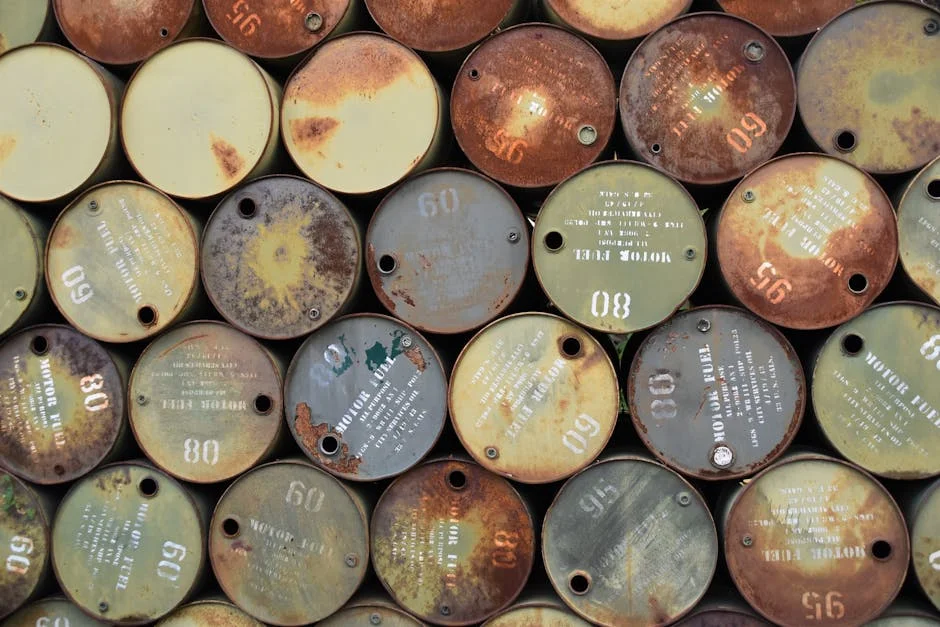
Crude oil prices reacted swiftly to the news, with Brent crude seeing a modest correction after weeks of upward pressure driven by geopolitical uncertainty. The Strait of Hormuz serves as the world’s most vital oil chokepoint, handling approximately 21 million barrels of oil per day. Any disruption here sends shockwaves through the global economy, affecting everything from petrol costs at the pump to manufacturing expenses for multinational corporations. The assurance of free passage removes the immediate premium investors had added to oil contracts to hedge against potential blockades.
Market analysts observe that the volatility is far from over. While the immediate threat of a total blockade has receded, the underlying tensions between Tehran and Washington remain high. Traders are now recalibrating their risk models, shifting focus from a potential supply shock to a more gradual, policy-driven adjustment. This means that while prices may stabilize in the short term, the floor price for oil remains elevated compared to pre-tension levels, keeping inflationary risks alive for central banks.
US Strategic Pause and Military Posture


The decision by the United States to pause operations represents a significant tactical shift rather than a final strategic resolution. Military experts note that this pause allows both sides to assess the effectiveness of their current positions without the immediate escalation of kinetic conflict. For the US, this provides an opportunity to reinforce logistical lines and potentially expand diplomatic overtures to regional allies. The move signals a preference for calibrated pressure over an all-out confrontation, at least in the current phase of the crisis.
This strategic recalibration has profound implications for defense contractors and related industries. Companies involved in military logistics, drone technology, and naval supplies are seeing their stock valuations adjust to the new reality of a "pause" rather than a "peak" in conflict. Investors who had bet on a rapid escalation are now facing a more protracted scenario, where spending remains high but the urgency of immediate procurement may slightly ease. The market is pricing in a longer, more complex engagement rather than a quick resolution.
Regional Military Dynamics
The Islamic Revolutionary Guard Corps (IRGC) has played a pivotal role in this development, leveraging its naval capabilities to project power in the Gulf. The IRGC’s ability to ensure passage while maintaining a strong military presence demonstrates a nuanced approach to deterrence. This balance allows Iran to claim a diplomatic victory while keeping its military options open. For neighboring Gulf states, this creates a complex security environment where economic stability depends heavily on the continued, albeit fragile, cooperation between Tehran and Washington.
Regional allies are closely monitoring these developments to understand the long-term security guarantees offered by Washington. Countries like Saudi Arabia and the United Arab Emirates are evaluating their own defense spending and diplomatic strategies in light of this shift. The uncertainty surrounding the US commitment has led to increased diversification in their defense partnerships, including closer ties with Asian powers. This geopolitical realignment has long-term economic consequences for the region, influencing investment flows and infrastructure projects.
Supply Chain Resilience and Logistics
The Strait of Hormuz is not just an oil artery; it is a critical node in the global supply chain. The assurance of free passage means that shipping companies can adjust their routes and insurance premiums, leading to potential cost savings for importers and exporters. However, logistics firms remain cautious, knowing that the situation can change rapidly. The cost of marine insurance, a key component of shipping expenses, is expected to stabilize but may not return to pre-crisis lows immediately. This has direct implications for the cost of goods imported into Europe and the UK, affecting consumer prices.
Businesses that rely on just-in-time delivery models are reassessing their inventory strategies. The recent tensions highlighted the vulnerability of global supply chains to geopolitical shocks. Companies are now considering holding larger buffer stocks of key raw materials, particularly energy and petrochemicals. This shift from lean inventory to strategic stockpiling ties up capital and affects cash flow, impacting the balance sheets of major multinational corporations. Investors should look for companies with strong balance sheets and diversified supply chains as they navigate this period of uncertainty.
Economic Implications for the UK and Europe
For the UK economy, the stabilization of oil prices is a welcome development, but the underlying risks remain. The Bank of England has been closely monitoring the energy market as a key driver of inflation. While the immediate pressure on oil prices may ease, the broader geopolitical instability continues to weigh on economic growth forecasts. Businesses in the UK, particularly those in the manufacturing and transport sectors, are feeling the effects of higher energy costs. The pause in US operations provides some relief, but the full economic impact will unfold over the coming quarters.
The European Union is also facing similar challenges. As the largest importer of energy, Europe is highly sensitive to fluctuations in oil and gas prices. The stability in the Strait of Hormuz helps to secure energy supplies, but the broader conflict in the region continues to influence gas prices through the interconnected nature of global energy markets. Policymakers in Brussels are working to balance energy security with economic competitiveness, a task made more difficult by the ongoing geopolitical tensions. The UK and Europe are closely aligned in their economic responses, making cooperation on energy policy and trade essential.
Investor Perspective and Market Sentiment
Investors are facing a period of heightened uncertainty, requiring a nuanced approach to portfolio management. The initial reaction to the US pause was positive, with risk-on assets like equities seeing a boost. However, the market is now looking for more concrete signs of a long-term resolution. Volatility is expected to remain high, with potential for sharp movements in both directions. Diversification is key, with investors looking to balance exposure to energy, defense, and emerging market assets. The focus is shifting from immediate reaction to strategic positioning for a prolonged period of geopolitical tension.
The bond market is also reacting to these developments. As inflation expectations adjust to the new reality of stabilized but elevated oil prices, central banks are facing complex decisions. The path of interest rates will be influenced by the interplay between geopolitical risks and domestic economic data. Investors in fixed income are looking for safe havens, with government bonds seeing increased demand. The yield curve is adjusting to reflect the new risk premium associated with the Middle East, offering opportunities for those who can accurately predict the next moves of central banks.
Future Outlook and Key Indicators
The coming weeks will be critical in determining the long-term trajectory of the situation. Investors and policymakers should watch for several key indicators. First, the volume of oil shipments through the Strait of Hormuz will provide a real-time measure of the effectiveness of the Iranian guarantee. Second, diplomatic statements from both Tehran and Washington will offer clues about the depth of the current truce. Finally, the reaction of regional allies will indicate the broader stability of the Gulf. These factors will collectively shape the economic and market landscape in the months ahead.
The global economy is at a crossroads, with the Middle East serving as a key determinant of future growth and inflation. While the immediate crisis may have eased, the underlying structural issues remain. Businesses and investors must remain agile, ready to adapt to new information and shifting dynamics. The pause in US operations is a reprieve, not a resolution. The next moves by Iran and the United States will define the economic reality for markets worldwide, making vigilance and strategic foresight essential for success in this evolving landscape.
See Also
- Western Cape Cold Front Triggers Supply Chain Shockwaves
- Bola Tinubu Declares Nigeria Undergoing Historic Test Amid Economic Strain
What is the latest news about iran halts strait blockade after us pause oil markets react?
Why does this matter for politics?
What are the key facts about iran halts strait blockade after us pause oil markets react?