Mali’s central trade arteries have effectively seized as jihadist insurgents incinerated dozens of vehicles, enforcing a brutal blockade just days before the Eid al-Fitr holiday. This coordinated disruption targets the logistical backbone of the West African nation, turning a seasonal commercial peak into a period of acute economic uncertainty for businesses and investors alike.
Logistical Paralysis in the Sahel
The destruction of transport infrastructure is not merely a symbolic act of defiance but a calculated economic weapon. In the Gao region, a critical hub for north-south trade, the burning of trucks and motorcycles has created a bottleneck that ripples through the supply chain. Local merchants in Bamako report that goods are stuck in transit, leading to immediate shortages of essential commodities in urban centers.
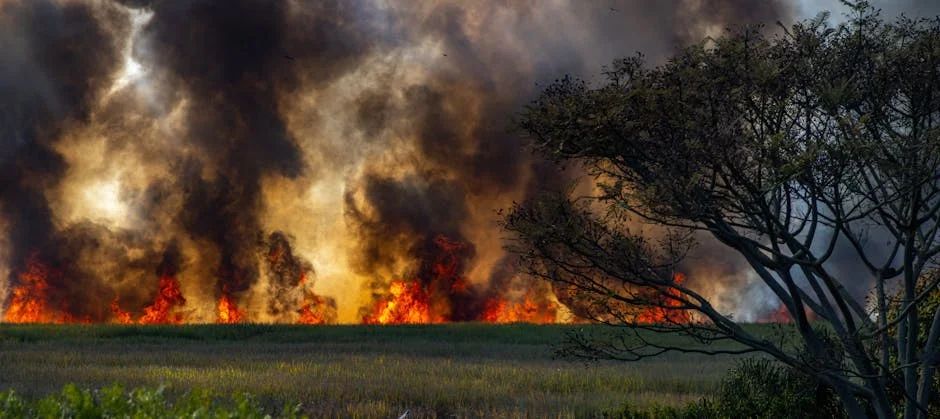
Insurgents from groups affiliated with the Al-Mourabitoun alliance have intensified their grip on key highways. Their strategy involves targeting the flow of goods to squeeze the national treasury and destabilize the political status quo. This tactic forces the Malian government to divert military resources from the battlefield to secure supply lines, thereby straining both fiscal and operational capacities.
The timing is particularly vicious for the local economy. The period leading up to Eid is traditionally the highest volume season for retail and wholesale trade. Families stock up on meat, grains, and textiles, driving consumption to annual peaks. By disrupting this flow, insurgents directly impact household purchasing power and retail revenue across the country.
Market Volatility and Inflationary Pressure
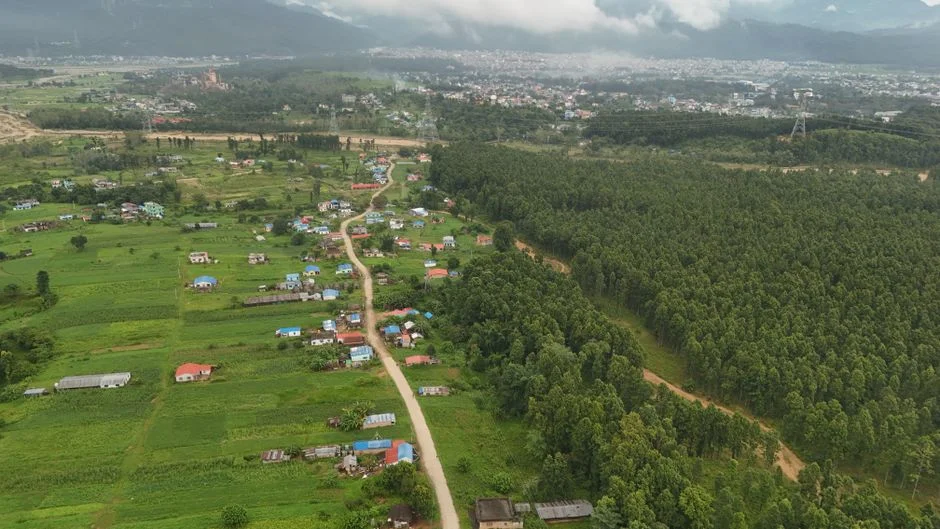

Immediate market reactions in Bamako’s major markets, such as the Place de l’Indépendance, show sharp price hikes. The scarcity of imported goods, particularly wheat and cooking oil, has triggered a surge in local prices. Analysts warn that this inflationary spike could outlast the holiday, embedding higher costs into the broader economic structure of the Sahel nation.
The central bank of Mali faces the dual challenge of managing currency stability while inflation bites into consumer spending power. When supply chains fracture, the CFA franc often experiences pressure as importers rush to secure foreign exchange before further disruptions. This volatility affects not only local traders but also regional investors who view Mali as a gateway to the wider West African Economic and Monetary Union.
Investors are now recalculating risk premiums for operations in the country. The blockade demonstrates that security threats can materialize as direct financial losses within weeks, if not days. This unpredictability discourages new capital inflows and prompts existing businesses to adopt a cash-is-king strategy, hoarding inventory while waiting for clarity on security conditions.
Impact on Small and Medium Enterprises
Small and medium enterprises bear the brunt of this logistical chaos. Unlike large conglomerates with diversified supply chains, SMEs in Mali rely heavily on just-in-time deliveries from neighboring countries like Niger and Burkina Faso. The burning of vehicles means that these businesses face higher insurance premiums, delayed stock arrivals, and increased spoilage rates for perishable goods.
Many shop owners in the capital have been forced to reduce their opening hours or even temporarily close stores due to stock-outs. This reduction in operational tempo leads to wage cuts for informal sector workers, which constitutes a significant portion of the Malian labor force. The economic shock thus permeates down to the household level, reducing overall consumer confidence.
Regional Supply Chain Disruptions
The economic consequences of the Mali blockade extend beyond its borders. As a landlocked nation, Mali relies on ports in Abidjan, Dakar, and Lomé for its imports. The internal blockade complicates the final leg of these long-haul supply chains, causing congestion at border crossings. This creates a domino effect, slowing down trade flows for neighboring countries that use Mali as a transit corridor.
Regional trading companies are rerouting shipments to avoid the high-risk zones in northern and central Mali. This rerouting increases transport costs and delivery times, eroding profit margins for businesses operating in the wider Sahel region. The uncertainty also affects insurance markets, with underwriters raising premiums for cargo moving through the affected corridors.
The disruption highlights the fragility of West African trade networks. While the Economic Community of West African States has made strides in regional integration, security remain a critical variable that can quickly undo economic gains. The current blockade serves as a stark reminder that political stability is a prerequisite for sustained economic growth in the region.
Investor Sentiment and Capital Flight
Foreign direct investment in Mali has been on a cautious upturn, driven by the country’s vast gold and phosphate reserves. However, security incidents like the recent vehicle burnings introduce a layer of operational risk that can deter long-term capital commitment. Investors are increasingly looking for political risk insurance to hedge against sudden disruptions in trade and production.
The mining sector, which contributes significantly to Mali’s GDP, is also feeling the pressure. While mines are often located in the south, the transport of gold and phosphates to export hubs requires stable internal roads. Any delay in getting produce to the docks translates directly to revenue recognition delays for major mining companies operating in the country.
Financial markets are watching for signs of fiscal strain. The Malian government may need to increase subsidies to cushion the blow of rising food prices, thereby increasing the budget deficit. This fiscal pressure could lead to higher borrowing costs or a reliance on external aid, both of which have implications for the country’s long-term economic sovereignty.
Business Adaptation Strategies
Businesses in Mali are adapting by diversifying their supplier bases and increasing inventory levels. Companies are also investing in security for their logistics fleets, including hiring private security firms and using armored vehicles for high-value goods. These adaptations increase operational costs but are necessary to maintain business continuity in a volatile environment.
Some retailers are shifting towards local sourcing to reduce dependency on imported goods that are vulnerable to border blockades. This shift supports local agriculture and manufacturing but requires time to build capacity. The transition also presents an opportunity for local producers to capture a larger market share, although it requires initial investment in processing and packaging infrastructure.
Corporate leaders are engaging more closely with the government to influence policy responses. Businesses are advocating for improved security coordination and faster customs clearance processes to mitigate the impact of disruptions. This public-private dialogue is crucial for developing a resilient economic framework that can withstand future shocks.
Future Economic Outlook
The economic recovery from this blockade will depend on the speed of security restoration and the resilience of local supply chains. If the jihadist groups maintain their grip on key routes, the inflationary pressure could become structural, leading to a prolonged period of economic stagnation. Conversely, a swift military or diplomatic resolution could allow for a rapid rebound in consumer spending.
Investors should monitor the security situation in the Gao and Timbuktu regions closely, as these areas are critical for north-south trade. Any escalation or de-escalation in these zones will provide early signals about the broader economic outlook for Mali. The performance of the CFA franc and local inflation rates will also serve as key indicators of economic stability.
Stakeholders must remain vigilant as the Malian military prepares for potential counter-offensives in the coming weeks. The outcome of these operations will determine whether trade routes reopen smoothly or remain contested. Businesses and investors should prepare for continued volatility and maintain flexible strategies to navigate the evolving economic landscape in the Sahel.
See Also
- The Allure of the Open Sea: Why Luxury Yachts?
- UN Climate Talks Trigger Market Uncertainty as Fossil Fuel Phase-Out Looms
What is the latest news about mali jihadists burn vehicles trade blockade triggers economic shock?
Why does this matter for environment?
What are the key facts about mali jihadists burn vehicles trade blockade triggers economic shock?