Prime Minister Keir Starmer took his final bow in the political arena during his last Prime Minister's Questions session in the House of Commons on Wednesday. As he prepares to leave office next week, Starmer reflected on his tenure, stating he was leaving the United Kingdom "in better shape than I found it." His departure comes amid questions about how his exit could impact the UK's economic landscape, influencing markets, businesses, and investors alike.
Immediate Reactions to Starmer's Final PMQs
The session was marked by a mix of questions, criticisms, and praise from fellow lawmakers. Starmer's tenure has been characterised by his engagement in lively debates at the weekly sessions, where he addressed a range of issues from economic policy to national security. His final appearance underscored the challenges and achievements of his time in office.
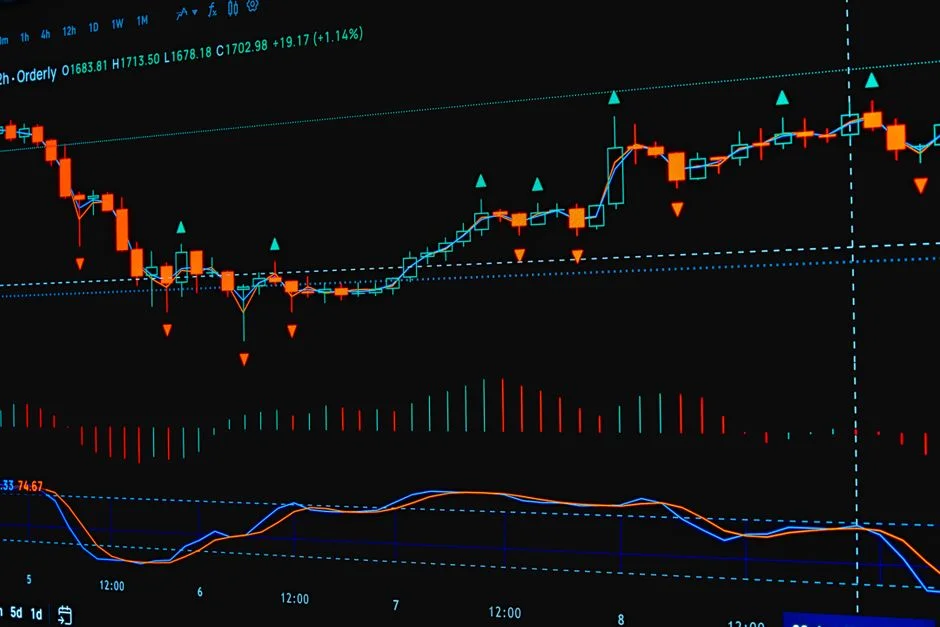
Market analysts are already speculating on potential shifts in economic policies that could follow Starmer's departure. The uncertainty surrounding his successor and their approach to handling ongoing economic challenges is a significant concern for investors. The immediate reaction from businesses and markets is likely to be cautious, as they await clear signals from the forthcoming leadership.
Historical Context and Starmer's Economic Policies


Keir Starmer came to power with a promise to restore economic stability and address the socio-economic disparities exacerbated by previous administrations. His policies often focused on strengthening the UK's position in global markets, enhancing trade relationships, and encouraging domestic growth. These efforts were seen as vital in navigating the post-Brexit economy.
Under Starmer's leadership, the UK saw various initiatives aimed at boosting key sectors such as technology and green energy, reflecting a forward-looking economic agenda. His tenure also faced challenges, including navigating the economic impacts of the COVID-19 pandemic and addressing inflationary pressures.
Significance of Starmer's Departure
Starmer's exit comes at a crucial time for the UK economy, which is grappling with inflation, supply chain issues, and the aftershocks of Brexit. The transition in leadership could lead to shifts in policy that affect trade agreements, regulatory frameworks, and fiscal policies, all of which have direct implications for businesses and investors.
The change at the helm of UK leadership is also watched closely by international partners and economic allies, who are keen to understand the future direction of UK policies. These factors contribute to a complex economic environment that could influence market stability and investor confidence in the short to medium term.
Key Players and Institutional Dynamics
The political landscape is set to witness significant changes with Starmer's departure. The race to find his successor is already underway, with several contenders vying for leadership. These include figures from within Starmer's party who could continue his economic policies, as well as opposition members who might take a different path.
The institutional dynamics within the UK's political system are such that a change in leadership can lead to shifts in policy priorities. Key economic institutions, such as the Bank of England, will play a pivotal role in navigating these changes, particularly concerning monetary policy adjustments and financial regulation.
Stakeholder Reactions and Market Sentiments
Stakeholders across various sectors have expressed mixed reactions to Starmer's departure. Business leaders are keenly observing the developments, particularly in sectors that have benefited from Starmer's policies, such as renewable energy and technology. Investors are assessing the potential impact on market conditions, including interest rates and currency stability.
Market sentiment is often influenced by political stability and clarity in economic policies. As such, any ambiguity regarding the future direction under new leadership could lead to volatility in financial markets. Analysts suggest that maintaining confidence among international investors is crucial for preserving the stability of the UK's economic outlook.
Broader Implications for the UK's Economic Landscape
Starmer's departure is a turning point that could redefine the UK's economic trajectory. As the nation stands at a crossroads, the new leadership will be tasked with addressing ongoing economic challenges while capitalising on opportunities for growth. The focus will likely be on fostering innovation, enhancing competitiveness, and ensuring sustainable development.
This transition period offers both challenges and opportunities. While uncertainty may dominate the short term, it also presents an avenue for fresh policy initiatives that could reinvigorate the economy and strengthen the UK's position on the global stage. Stakeholders will be watching closely to see how the new leadership navigates this complex environment.
The Road Ahead: What to Watch
As Starmer prepares to officially step down on Monday, attention will shift to his successor and the policies they intend to implement. Key signals to watch include proposed changes to fiscal policy, adjustments in trade agreements post-Brexit, and any shifts in regulatory frameworks that could impact business operations.
The timeline for these developments will be crucial. Markets and businesses will be looking for expedient and clear communication from the new leadership to mitigate uncertainty. The ability of the next Prime Minister to instil confidence in the UK's economic future will be essential in maintaining market stability and investor confidence going forward.
Ultimately, Starmer's departure marks the end of an era, but it is also the beginning of a new chapter for the UK's political and economic landscape. How this transition unfolds will have lasting implications for the nation's economic trajectory and its role in the global economy.
See Also
- Australia's Search for Missing Girl Near Alice Springs Raises National Concerns
- Wolfsburg FC Play-Offs: Economic Impact on UK Betting Markets
What is the latest news about uks starmer steps down markets brace for economic shifts?
Why does this matter for politics?
What are the key facts about uks starmer steps down markets brace for economic shifts?