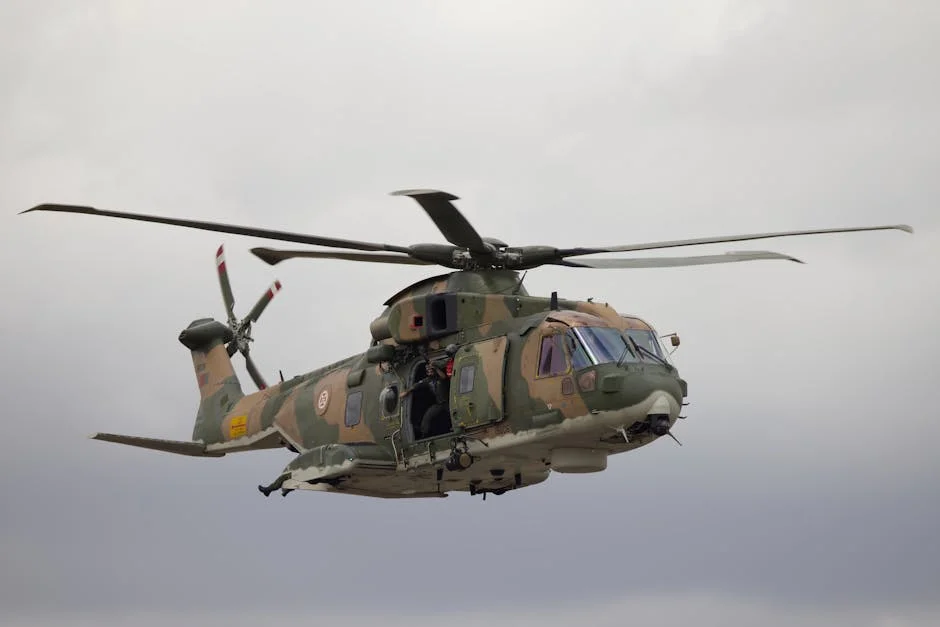
The Mopani Local Municipality in Limpopo has commissioned six new rescue vehicles, injecting approximately R5.2 million into the local emergency services sector. Mayor Pule Frelimo Shayi announced the acquisition during a council meeting in Mbombela, marking a strategic shift in how the municipality allocates capital expenditure toward operational assets rather than purely structural projects.
This procurement decision highlights a broader trend in South African municipal finance, where local governments are under increasing pressure to demonstrate tangible returns on public spending. The introduction of these vehicles aims to streamline emergency response times, directly impacting the efficiency of the local service delivery framework. For investors and economic analysts monitoring the region, this move signals a stabilization of municipal liquidity in one of Limpopo’s most economically active areas.
Municipal Capital Expenditure Trends
Local government spending in South Africa has become a critical indicator of regional economic health. The Mopani Municipality, which includes the industrial hub of Thohoyandou and the mining-rich areas of Musina, plays a pivotal role in the Limpopo provincial economy. The decision to allocate funds for six new vehicles, estimated at R850,000 per unit, reflects a prioritization of operational readiness. This approach contrasts with previous years where capital expenditure was heavily skewed toward infrastructure development, often leaving operational budgets strained.
The financial implications of this procurement are significant for local suppliers and service providers. The contract awards provide immediate revenue streams for local automotive dealerships and maintenance firms. This injection of capital into the supply chain helps sustain employment in the transport and logistics sectors within the municipality. Economic observers note that such targeted spending can have a multiplier effect, boosting local business activity through increased demand for fuel, insurance, and spare parts.
Mayor Pule Frelimo Shayi emphasized that the council’s financial strategy is evolving to meet the immediate needs of residents. This shift towards asset-based spending suggests a more pragmatic approach to municipal governance. It also indicates a potential improvement in the municipality’s credit rating, as efficient asset utilization is a key metric for rating agencies assessing local government debt sustainability.
Impact on Local Business and Supply Chains

The procurement of these rescue vehicles directly benefits the local automotive industry. Suppliers in the Limpopo province stand to gain from the initial purchase and subsequent maintenance contracts. This creates a ripple effect through the local economy, supporting jobs in mechanics, administration, and logistics. For small and medium-sized enterprises (SMEs) within the Mopani jurisdiction, this represents a stable source of revenue in a volatile economic climate.
Investors monitoring the South African municipal sector should view this as a positive signal for local business confidence. Efficient public spending reduces the risk of default and enhances the overall business environment. Companies operating in Thohoyandou and surrounding areas may experience improved infrastructure support, which can lower operational costs and increase productivity. This stability is crucial for attracting further foreign direct investment into the region’s mining and agricultural sectors.
The economic benefits extend beyond the immediate procurement. The enhanced capability of the rescue services can reduce downtime for local industries affected by accidents or emergencies. For example, the mining sector, a major employer in Mopani, relies on swift emergency response to minimize production losses. This indirect economic gain underscores the importance of strategic municipal spending in supporting broader regional economic goals.
Operational Efficiency and Cost Savings
The new vehicles are expected to reduce operational costs for the municipality over time. Modern rescue vehicles often feature better fuel efficiency and lower maintenance requirements compared to older models. This efficiency translates into long-term savings for the municipal budget, allowing for reallocation of funds to other critical services. The council plans to monitor these savings closely, using data to inform future procurement decisions.
Improved operational efficiency also enhances the municipality’s ability to respond to emergencies, reducing the financial burden on local businesses and residents. Faster response times can minimize property damage and medical costs, providing a tangible economic benefit to the community. This aspect of the procurement aligns with the broader goal of creating a more resilient and economically vibrant local government structure.
Regional Economic Implications
The Mopani Municipality’s actions have broader implications for the Limpopo province and South Africa’s local government sector. As one of the largest municipalities in the province, Mopani’s financial health is closely watched by economists and investors. The successful implementation of this procurement project could serve as a model for other municipalities facing similar fiscal challenges. It demonstrates how strategic spending can enhance service delivery while maintaining financial stability.
The regional economy benefits from the increased activity in the automotive and logistics sectors. Suppliers and service providers in neighboring municipalities may also see an uptick in business as the local supply chain adjusts to meet the demands of the new fleet. This regional spillover effect highlights the interconnectedness of local economies and the importance of coordinated municipal planning.
For the UK and international investors with interests in South African infrastructure and municipal bonds, this development offers insights into the evolving landscape of local government finance. The trend towards more efficient, asset-based spending suggests a maturing approach to municipal governance. This shift could enhance the attractiveness of South African municipal debt as an investment class, provided that fiscal discipline is maintained.
Public Perception and Political Capital
Mayor Pule Frelimo Shayi’s announcement has generated positive public reaction, particularly among residents who have long complained about slow emergency response times. The visible presence of new rescue vehicles serves as a tangible symbol of progress, enhancing the council’s political capital. This improved public perception can translate into greater cooperation between the municipality and local businesses, fostering a more collaborative economic environment.
The political implications of this procurement are significant. In a region where service delivery protests are common, the introduction of new assets can help stabilize the social contract between the government and its citizens. This stability is crucial for economic growth, as it reduces uncertainty and encourages long-term investment. The council’s ability to deliver on its promises will be closely monitored in the coming months.
The focus on rescue services also addresses a key concern for local businesses, particularly those in the tourism and hospitality sectors. Reliable emergency services are essential for attracting visitors and investors to the region. By improving this aspect of service delivery, the Mopani Municipality is enhancing the overall competitiveness of its local economy. This strategic move aligns with broader provincial goals to boost tourism and investment in Limpopo.
Future Procurement and Budgetary Outlook
The Mopani Council plans to continue this trend of strategic procurement in the upcoming fiscal year. Additional budgets have been allocated for the maintenance and expansion of the rescue fleet, ensuring that the initial investment yields long-term benefits. This forward-looking approach demonstrates a commitment to sustainable municipal finance and efficient service delivery. Investors and businesses should monitor these developments as they signal the municipality’s financial health and strategic priorities.
The council has also announced plans to review other operational expenditures to identify further opportunities for efficiency gains. This comprehensive review aims to optimize the municipality’s budget, ensuring that funds are allocated to areas with the highest economic and social impact. Such a data-driven approach to budgeting is likely to enhance the transparency and accountability of municipal spending, further boosting investor confidence.
As the Mopani Municipality implements these new initiatives, the focus will shift to measuring their impact on local economic indicators. Key metrics such as employment rates, business growth, and service delivery satisfaction will be closely monitored. The results of this evaluation will provide valuable insights into the effectiveness of strategic municipal spending and its potential to drive regional economic growth. Stakeholders should watch for the council’s annual report, which will provide detailed data on these outcomes.
See Also
- Ramaphosa Puts ANC’s Sisisi Tolashe on Leave Amid Disciplinary Scrutiny
- Man Utd Agrees £35m Fee for Atalanta's Ederson — Medical Looms
This regional spillover effect highlights the interconnectedness of local economies and the importance of coordinated municipal planning. The trend towards more efficient, asset-based spending suggests a maturing approach to municipal governance.
What is the latest news about mopani council injects r52 million into rescue fleet?
Why does this matter for politics?
What are the key facts about mopani council injects r52 million into rescue fleet?