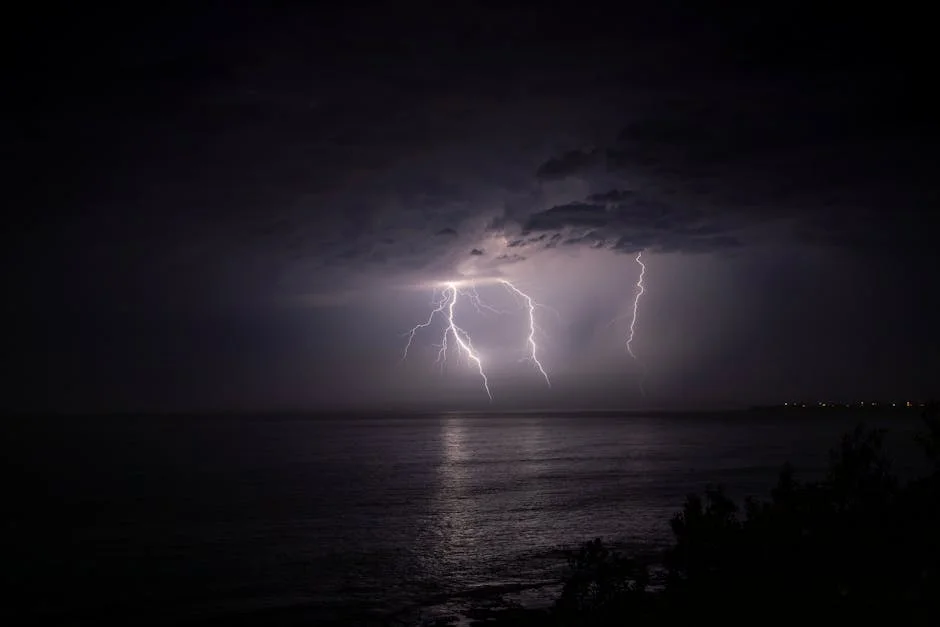
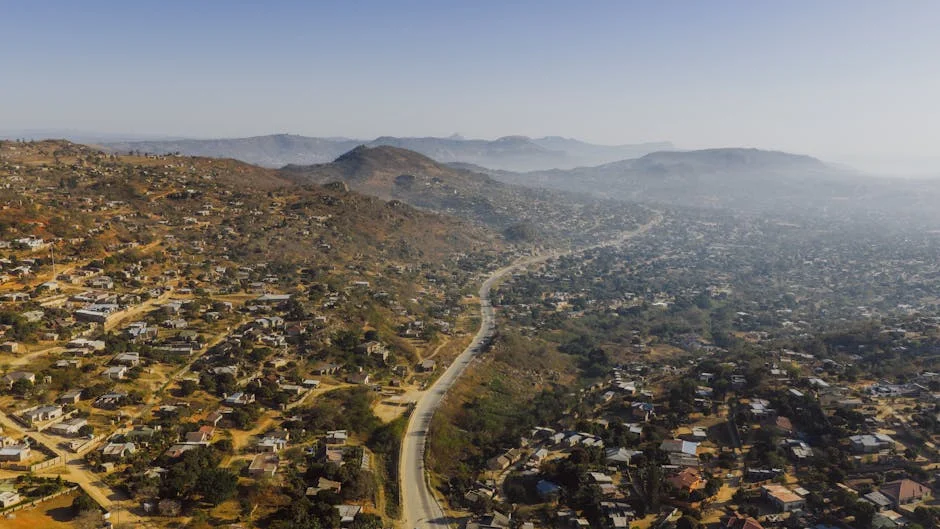
Cold winter conditions continue across South Africa on Wednesday, with South Africans facing another day of sub-zero overnight temperatures and daytime highs well below seasonal averages. The persistent cold snap, which began late last week, has pushed energy demand sharply higher and is reshaping consumer spending patterns across the economy. Weather service data shows minimum temperatures in the highland interior dropping below minus three degrees Celsius on several consecutive nights.
Weather Service Issues Continued Cold Warning
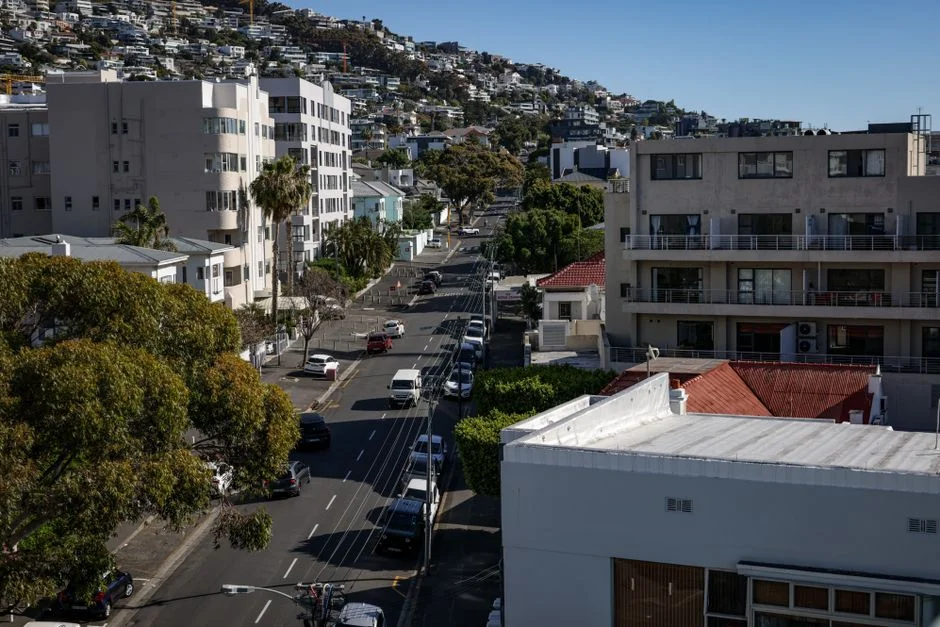
The South African Weather Service confirmed Tuesday that the polar air mass gripping much of the country shows no immediate signs of retreating. Forecasters expect the bitterly cold conditions to persist through at least Thursday before a gradual warming trend takes hold. The Western Cape, including Cape Town, has experienced relatively milder conditions, with coastal areas seeing temperatures around 12 degrees Celsius during daylight hours. The interior, however, remains firmly under the grip of winter, with Gauteng and surrounding provinces enduring the worst of the freeze.
Regional Temperature Breakdown
The Free State and Mpumalanga highlands have recorded the lowest temperatures, with overnight lows consistently falling below minus four degrees Celsius. Local media in Bloemfontein reported frost forming on vehicle windshields and exposed surfaces by early morning. Coastal cities have fared better, with Durban experiencing minimum temperatures around eight degrees, but even these readings fall well below the winter average for this time of year.
Energy Grid Under Pressure as Heating Demand Surges


The sustained cold is placing significant strain on national electricity infrastructure. State power utility Eskom reported that system demand reached its highest level in months during morning and evening peak hours on Tuesday. The utility insisted that load-shedding remains unlikely under current conditions, but grid controllers are monitoring the situation closely. Residential heating accounts for a substantial portion of winter electricity consumption, and the prolonged cold spell has driven household demand to levels typically seen only during the deepest winter weeks.
Independent power producers have ramped up output to help meet the surge in demand. Several wind energy facilities along the Eastern Cape coastline reported near-maximum generation during the early morning hours, when calm conditions elsewhere meant solar output remained minimal.
Retail Sector Sees Shift in Spending Patterns
South African retailers are experiencing a notable shift in consumer behaviour as households prioritise heating and winter essentials over discretionary purchases. Supermarket chains operating in Gauteng and the Free State reported strong sales of soup, bread, and hot beverages over the weekend. Department stores confirmed brisk trade in thermal clothing, blankets, and electric blankets. Industry observers note that online delivery services have struggled to keep pace with sudden demand for heating appliances in affected regions.
Fuel demand for home heating has also climbed, with distributors in inland provinces reporting tightness in supply of certain heating fuels. Price increases at the pump have compounded household budget pressures during what is traditionally a financially challenging month for many South African families.
Agriculture Faces Crop and Livestock Concerns
Farming operations across the highland regions face ongoing risks from the extended cold spell. Agricultural extension officers in the Free State and Mpumalanga have urged small-scale farmers to protect vulnerable livestock and cover frost-sensitive crops. Commercial grain producers expressed cautious optimism that the winter cold, coming as it does outside the main growing season, would cause limited damage to established plantings. Insurance assessors, however, indicated they are preparing for potential claims should the freeze cause unexpected damage to citrus orchards in exposed areas.
The poultry industry reported maintaining standard operations, though industry bodies acknowledged that heating costs for broiler houses have risen substantially. Producers in remote areas where gas heating is the primary option face the sharpest cost increases.
Construction and Outdoor Work Disrupted
Building sites across several provinces have adjusted schedules in response to the cold conditions. Several major construction firms confirmed they delayed morning starts to avoid working in freezing temperatures that create safety hazards for workers and potential quality defects in concrete and other materials. The Construction Industry Federation noted that productivity losses during cold snaps typically translate into compressed timelines for project completions, creating downstream pressure on labour costs.
What South Africans Should Watch Next
The South African Weather Service is expected to release its updated seven-day forecast on Thursday. If the current polar air mass weakens as predicted, temperatures could return to seasonal norms by the weekend, providing relief to households and reducing pressure on the energy grid. Eskom officials indicated they will continue monitoring demand patterns closely and will provide updates through official channels. Households are advised to check local municipal announcements for any emergency weather protocols and to anticipate continued elevated heating costs through the remainder of the week.
See Also
- Sean Strickland Slams Josh Hokit’s ‘Fake’ Style — What It Means for MMA Marketing
- Nigeria's Katsina Trade Shift Triggers UK Supply Chain Ripples
Price increases at the pump have compounded household budget pressures during what is traditionally a financially challenging month for many South African families.Agriculture Faces Crop and Livestock ConcernsFarming operations across the highland regions face ongoing risks from the extended cold spell. Insurance assessors, however, indicated they are preparing for potential claims should the freeze cause unexpected damage to citrus orchards in exposed areas.The poultry industry reported maintaining standard operations, though industry bodies acknowledged that heating costs for broiler houses have risen substantially.