Mercedes-Benz faces a deepening strategic dilemma over its Formula 1 driver lineup as the contrast between George Russell and rising prospect Kimi Antonelli becomes increasingly difficult to ignore. The German manufacturer has long nurtured Antonelli through its young driver programme, but Russell's consistent performances continue to complicate any straightforward succession plan.
The Driver Divide Takes Shape
Russell, who joined Mercedes from Williams in 2022, has established himself as a reliable performer for the Stuttgart-based marque. His ability to extract maximum results from the car has repeatedly caught the attention of team strategists and engineers at the Brackley headquarters. Antonelli, by contrast, has shown flashes of raw pace that suggest immense potential, though his inexperience has occasionally led to unforced errors in his rookie season.
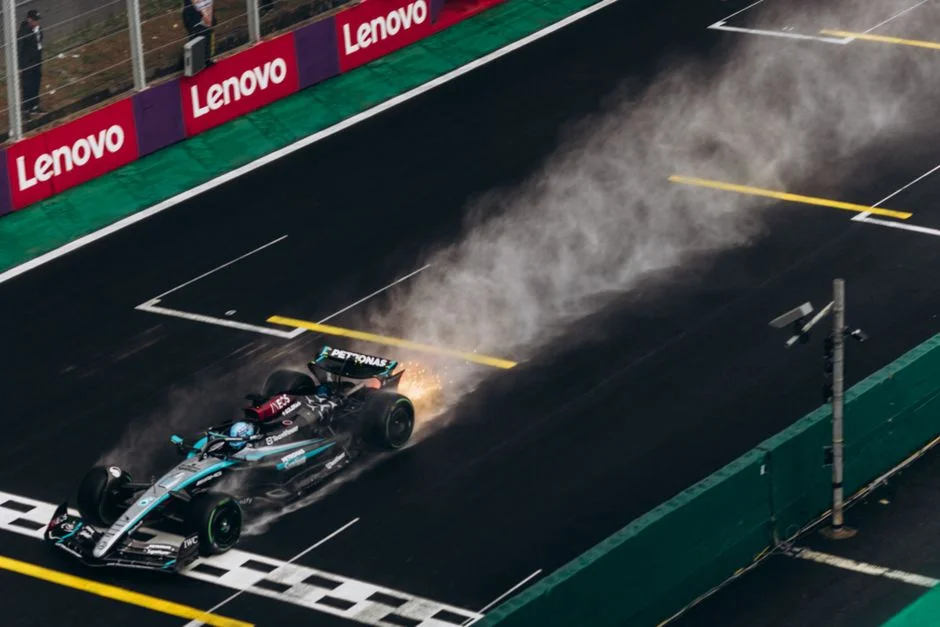
The divergence in their profiles creates a delicate balance for Mercedes. Russell brings stability and points-scoring consistency that matters in the constructors' championship battle. Antonelli represents the future, a investment in youth that could pay dividends once he matures into a complete driver.
What This Means for Mercedes as a Business

Mercedes-Benz AG operates as a publicly listed company, meaning its motorsport activities exist under constant scrutiny from investors and financial analysts. Formula 1 functions as a marketing platform worth hundreds of millions annually, with driver signings carrying implications that extend well beyond the race track.
Keeping Russell satisfied matters to the bottom line. A driver of his calibre attracts sponsorship interest and maintains the competitive performance that justifies Mercedes' substantial F1 budget. Local media in Stuttgart has reported that team management is eager to retain both drivers, though contract realities may force difficult decisions in the coming months.
Commercial Implications of the Lineup Question
Sponsor contracts tied to Russell often include appearance clauses tied to race finishes and championship positions. Any prolonged period of underperformance could trigger financial consequences affecting Mercedes' commercial partnerships. Conversely, promoting Antonelli prematurely without adequate preparation risks damaging a talent the team has invested years developing.
The economic stakes extend to the broader automotive sector. Mercedes competes for prestige against rivals BMW and Audi, both of which maintain their own motorsport commitments. How the manufacturer handles its driver situation sends signals to consumers, investors, and competitors about strategic priorities.
Market Context Shapes the Decision
The automotive industry continues navigating significant disruption, with the transition to electric vehicles demanding massive capital expenditure. Against this backdrop, F1 expenditure faces heightened scrutiny from stakeholders who may question whether marquee signing decisions represent value for money.
Mercedes has committed to remaining in Formula 1 through at least 2030, a period that coincides with the sport's new power unit regulations. How the team positions itself competitively during this era will influence brand perception in key markets including the United Kingdom, Germany, and the United States.
What Happens Next
The 2025 season will provide crucial data for Mercedes' deliberations. Russell's contract situation will become a pressing matter before the end of the current campaign, with negotiations expected to intensify during the summer break. Team principal Toto Wolff has repeatedly declined to commit publicly to a specific timeline for resolving the driver question.
Investors and fans should watch for any announcements regarding Russell's future, particularly ahead of the British Grand Prix at Silverstone. The event holds particular significance for Russell, who represents Mercedes' home market interests, and any uncertainty surrounding his position could affect sponsorship valuations heading into the next financial year.
See Also
- ANC Blocks Didiza Recusal — South Africa Impeachment Battle Intensifies
- Viktor Orban’s New PM Pledge Triggers Market Uncertainty in Hungary
Market Context Shapes the Decision The automotive industry continues navigating significant disruption, with the transition to electric vehicles demanding massive capital expenditure. How the team positions itself competitively during this era will influence brand perception in key markets including the United Kingdom, Germany, and the United States.