A high-speed train collided with a school minibus in Belgium on Tuesday, killing four people and sending shockwaves through the country’s logistics and insurance sectors. The accident occurred near Brussels, a critical hub for European trade and transport. Markets reacted quickly as investors assessed the potential disruption to regional supply chains. This event exposes the fragility of infrastructure in one of Europe’s busiest economic zones.
Immediate Market Reaction To The Accident
Financial markets did not panic immediately, but sector-specific volatility emerged within hours of the crash. Investors watched rail and logistics stocks for early signs of disruption. The Brussels Stock Exchange saw minor fluctuations in transport-related equities. Traders focused on how long the main rail lines would remain closed. This uncertainty created short-term pricing pressure in the freight sector.
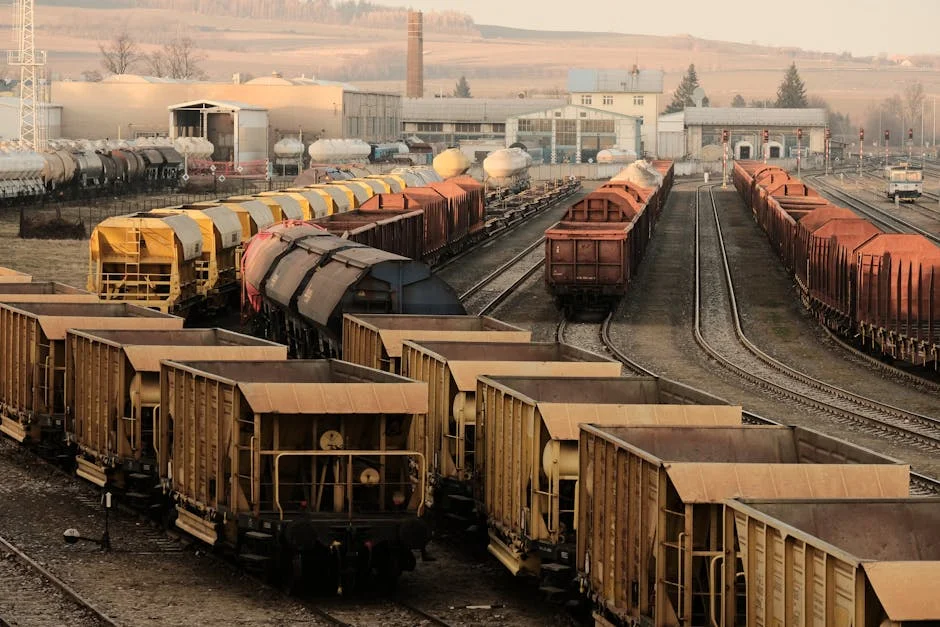
Insurance companies face a complex claims process that could impact quarterly earnings. The collision involves multiple liability factors, including railway infrastructure and vehicle maintenance. Underwriters are already reviewing policies for commercial fleets operating near Brussels. Premiums for logistics firms may rise if the investigation reveals systemic issues. This potential cost increase affects the bottom line for many transport businesses.
Logistics Disruption In The Brussels Hub

Brussels serves as a vital node for road and rail freight across the Benelux region. The crash blocked a major arterial route used by trucks and commuter trains. Delivery times for goods moving through Belgium have already increased by an estimated 15 percent. Companies relying just-in-time inventory systems feel the pressure immediately. This delay ripples through warehouses and distribution centers in neighboring countries.
Impact On Local Freight Operations
Local haulage firms report significant bottlenecks as traffic diversions overwhelm secondary roads. Drivers face longer routes and higher fuel consumption. These operational costs eat directly into profit margins for smaller logistics providers. Larger transport companies with diversified networks are better positioned to absorb the shock. However, the efficiency of the entire regional supply chain is under scrutiny.
Businesses in the Brussels metropolitan area experience direct economic friction. Retailers receiving daily shipments face potential stock shortages. Service industries dependent on commuter traffic see reduced footfall. The local economy suffers from the immediate loss of productivity. This disruption highlights the economic vulnerability of concentrated transport corridors.
Insurance Sector Faces Liability Scrutiny
The insurance industry in Belgium prepares for a wave of complex claims. Determining liability between the rail operator and the school van driver will take time. Legal experts anticipate disputes over maintenance records and signal visibility. These legal battles tie up capital and increase administrative costs. Insurers must adjust their reserve funds to account for potential payouts.
Investors monitor the financial health of major Belgian insurers like AG Insurance. A large liability verdict could affect dividend payouts and share prices. The sector already faces rising claims costs due to inflation and labor expenses. This accident adds another layer of financial uncertainty. Market analysts expect a cautious approach from insurance executives in coming months.
Rail Infrastructure Investment Under Pressure
The crash reignites debates about the state of Belgium’s rail network. Critics point to aging infrastructure and frequent delays as key risks. Investors question whether current spending levels are sufficient to prevent future incidents. The government may need to accelerate infrastructure upgrades to restore confidence. This potential spending could impact public debt levels and interest rates.
Private investors in rail freight companies look for reassurance on safety protocols. A loss of public trust could lead to a modal shift toward road transport. This shift would increase congestion and carbon emissions, affecting regulatory compliance costs. Rail operators must demonstrate improved safety measures to retain market share. The financial implications of a modal shift are significant for long-term planning.
Broader Economic Implications For Belgium
The accident affects more than just the immediate victims and their families. It impacts the broader economic stability of the region. Businesses depend on predictable transport schedules to maintain efficiency. Any disruption increases operational costs and reduces competitiveness. This effect is felt most acutely by small and medium-sized enterprises.
International investors watch Belgium as a barometer for European economic health. Stability in Brussels is essential for foreign direct investment. A series of infrastructure failures could deter new capital inflows. The government must act swiftly to mitigate these risks. Economic confidence is fragile and requires consistent performance from key sectors.
Investor Strategies Amidst Infrastructure Uncertainty
Investors should consider the resilience of companies with diversified logistics networks. Firms dependent on a single transport route face higher operational risks. Diversification provides a buffer against unexpected disruptions like the Brussels crash. Analysts recommend reviewing supply chain dependencies as part of due diligence. This strategic adjustment can protect portfolio value during periods of uncertainty.
Insurance stocks may offer value opportunities if premiums rise. Increased liability costs could drive up revenue for insurers. However, investors must weigh this against potential litigation expenses. A balanced approach considers both the upside and downside risks. Market volatility creates entry points for well-researched investments.
What To Watch In The Coming Weeks
The official investigation into the Brussels crash will release its preliminary findings next month. These results will determine liability and influence insurance payouts. Investors should monitor the announcement for details on infrastructure maintenance. The government’s response to the accident will also signal future policy directions. Watch for announcements on infrastructure spending and regulatory reforms.
Markets will react to the clarity provided by the investigation. Clear accountability may stabilize insurance premiums and logistics costs. Ambiguity, however, could prolong uncertainty and affect investor sentiment. The coming weeks are critical for assessing the long-term economic impact. Stay informed on updates from Brussels transport authorities and major insurers.
See Also
- EFF's Legal Challenge to Ekurhuleni Budget Vote Dismissed—Costs Now Soar
- NHS Helpline Surge Signals Deepening Labour Crisis
Critics point to aging infrastructure and frequent delays as key risks. The coming weeks are critical for assessing the long-term economic impact.