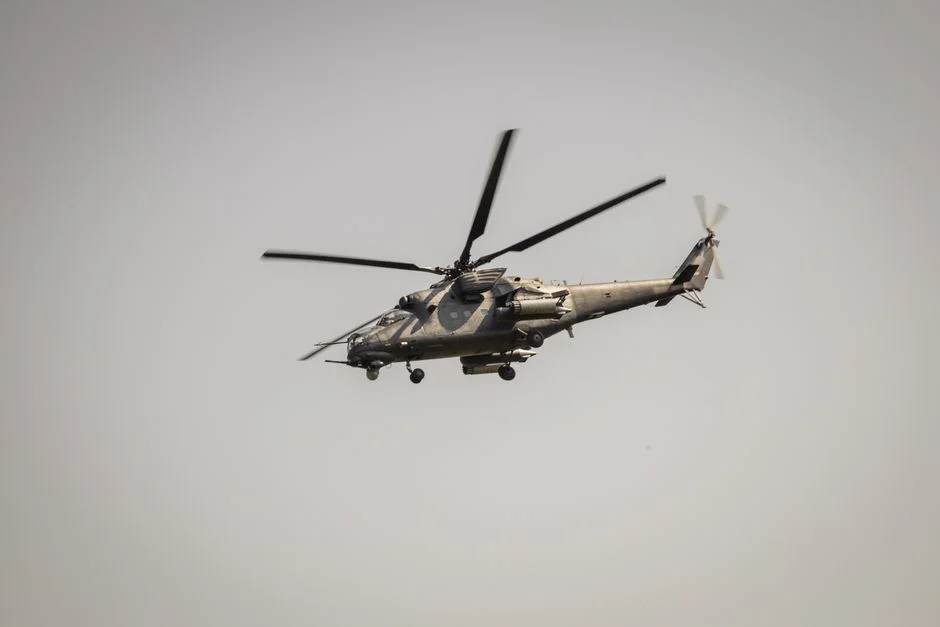
The Nigerian Army has eliminated two terrorists, rescued four hostages, and stopped a major assault on a key pipeline in the Niger Delta region. This operation took place in the oil-rich state of Rivers, where security concerns have long weighed heavily on investment decisions and daily production outputs. The swift military response aims to stabilise a critical energy corridor that supplies a significant portion of the nation’s crude exports.
Disruption in a Critical Energy Corridor
Pipeline infrastructure in the Niger Delta remains one of the most vulnerable assets in the West African economy. Sabotage and terror attacks on these arteries can halt the flow of crude oil for weeks, leading to immediate revenue losses for state and private operators. The recent attack targeted a section of the Main Standpipe system, which feeds into the Forcados Terminal, one of the country’s primary export hubs.

Investors watch these security developments closely because every barrel delayed translates directly into reduced foreign exchange earnings. Nigeria relies on oil exports for roughly 70 per cent of its export revenue. When pipelines break or are blockaded, the Nigerian Naira often faces upward pressure, and inflationary forces intensify as the cost of imported fuel rises. The military’s ability to neutralise threats quickly is therefore an economic imperative, not just a security one.
The location of this latest incident underscores the persistent risks facing energy firms operating in the south-east. Rivers State has seen fluctuating levels of stability over the last decade. Companies such as Shell and TotalEnergies maintain large footprints in the area, making any prolonged disruption a direct hit on their quarterly earnings and dividend prospects.
Military Tactics and Operational Speed


The Nigerian Army confirmed the details of the engagement in a press briefing held in Port Harcourt. Troops deployed rapid response teams that located the terrorists as they prepared to plant explosives near the pipeline valve station. The element of surprise allowed soldiers to engage the insurgents before the detonations could fully rupture the main line.
Four victims, who had been held captive by the terror group for nearly three weeks, were extracted safely during the chaos. These hostages included two local workers and two expatriate engineers from a mid-sized oil services firm. Their rescue is being hailed as a morale booster for the local workforce, which had grown increasingly wary of commuting to offshore platforms and onshore facilities.
General Ibrahim Koroma, a senior spokesperson for the Army, stated that the operation was part of a broader strategy to secure the Niger Delta’s economic zones. He noted that intelligence gathering played a critical role in pinpointing the terrorists’ movements. This level of coordination suggests a shift towards more data-driven military engagements rather than reactive patrols.
Hostage Rescue Dynamics
The rescue of the four hostages highlights the human cost of the region’s instability. Kidnapping for ransom has evolved into a parallel economy in the Niger Delta. Terror groups demand payments ranging from $50,000 to $200,000 per person, which often come out of the annual budgets of oil service companies.
For businesses, the reduction in kidnapping incidents directly lowers insurance premiums and operational overheads. If the Army can maintain this pace of successful extractions, it may encourage more foreign direct investment in the sector. Companies are more likely to commit capital when the risk of prolonged employee captivity is perceived as manageable.
Market Reactions and Investor Sentiment
Financial markets reacted positively to the news of the foiled attack. The Nigerian Stock Exchange saw a slight uptick in the shares of major oil and gas companies following the announcement. Investors interpreted the military success as a signal that the worst of the disruption might be over for the current quarter. However, caution remains high as the region’s security landscape is historically volatile.
Global oil prices, while influenced by broader OPEC decisions, also reflect regional supply risks. A major rupture in the Niger Delta can add a premium to Brent Crude as traders price in potential supply shortfalls. By preventing a major explosion, the Army helped avoid a sudden spike in volatility that could have affected fuel prices across West Africa and beyond.
Analysts who track emerging market debt have noted that stability in Nigeria’s oil sector is vital for the country’s credit rating. If security improves, Nigeria can service its external debts more comfortably, reducing the yield on its Eurobonds. This has direct implications for international investors holding Nigerian assets, as lower risk translates to higher valuations.
The Vanguard newspaper reported that local traders in Port Harcourt have already begun to stock up on diesel, anticipating a smoother supply chain in the coming weeks. This grassroots reaction indicates that confidence is slowly returning to the commercial heart of the Delta. Businesses that rely on consistent power and transport fuel are the first to feel the impact of pipeline stability.
Economic Implications for Local Businesses
Small and medium enterprises in the Niger Delta depend on the smooth flow of oil products to keep their generators running and their transport fleets moving. When pipelines are attacked, diesel shortages can cripple manufacturing and retail sectors within days. The foiling of this specific attack prevents a potential cascade of price hikes that would have squeezed profit margins for local shop owners and factory managers.
The cost of logistics is another area where security matters. Truckers often charge higher fares when routes through the Delta are deemed risky. A safer pipeline corridor means lower freight costs for goods moving from the coast to inland markets like Abuja and Lagos. This efficiency gain helps keep inflation in check, which is a key concern for the Central Bank of Nigeria as it tries to tame rising prices.
Furthermore, the presence of a stable security environment encourages local employment. When oil companies fear disruptions, they often freeze hiring or rely more on short-term contractors. A sustained period of calm allows firms to invest in long-term workforce development, which in turn boosts consumer spending power in local communities.
Strategic Importance of the Niger Delta
The Niger Delta is not just a geographic region; it is the economic engine of Nigeria. It produces the majority of the country’s crude oil and natural gas. Any threat to this region is a threat to the national budget. The government has allocated significant funds to security operations in the area, recognising that the return on investment is measured in barrels per day and foreign exchange reserves.
Foreign investors are also watching how the Nigerian Army manages these crises. Consistency in security outcomes builds trust. If the military can demonstrate that it can protect critical infrastructure and personnel, it sends a strong signal to international oil companies that the business environment is maturing. This is essential for attracting new exploration projects and developing deep-water fields.
The geopolitical angle also matters. Nigeria’s stability affects the entire West African Economic and Monetary Union. A strong Nigerian economy provides a buffer for neighbouring countries, facilitating trade and investment flows across the sub-region. Instability in the Delta can create ripples that affect currency values and trade balances in Ghana, Benin, and Cameroon.
What to Watch Next
Investors and businesses should monitor the coming weeks for any follow-up attacks on the same pipeline section. Terror groups often return to the scene of their initial failure to test the military’s endurance. The Nigerian Army has announced that it will maintain a heightened state of alert in Rivers State for at least the next 30 days.
Market participants should also keep an eye on the Nigerian Naira’s performance in the foreign exchange window. If the security situation continues to improve, the Naira may see further gains against the US Dollar, which would help reduce import costs. Additionally, the quarterly earnings reports of major oil firms in the third month of the fiscal year will reveal whether this security boost translates into tangible financial results.
The next major milestone will be the release of the monthly production data from the Nigerian National Petroleum Company. This figure will show whether the foiled attack prevented a significant drop in daily output. Investors are advised to track this data point closely, as it will provide a concrete measure of the economic impact of the military’s latest operation in the Niger Delta.
See Also
- Anwa Dramat Defends Hawks Leadership Amid TRC Negligence Allegations
- Hilary Mantel’s Thatcher Play Debuts in Liverpool — Markets React
Analysts who track emerging market debt have noted that stability in Nigeria’s oil sector is vital for the country’s credit rating. This efficiency gain helps keep inflation in check, which is a key concern for the Central Bank of Nigeria as it tries to tame rising prices.
What is the latest news about nigeria army foils pipeline attack oil markets react?
Why does this matter for opinion?
What are the key facts about nigeria army foils pipeline attack oil markets react?