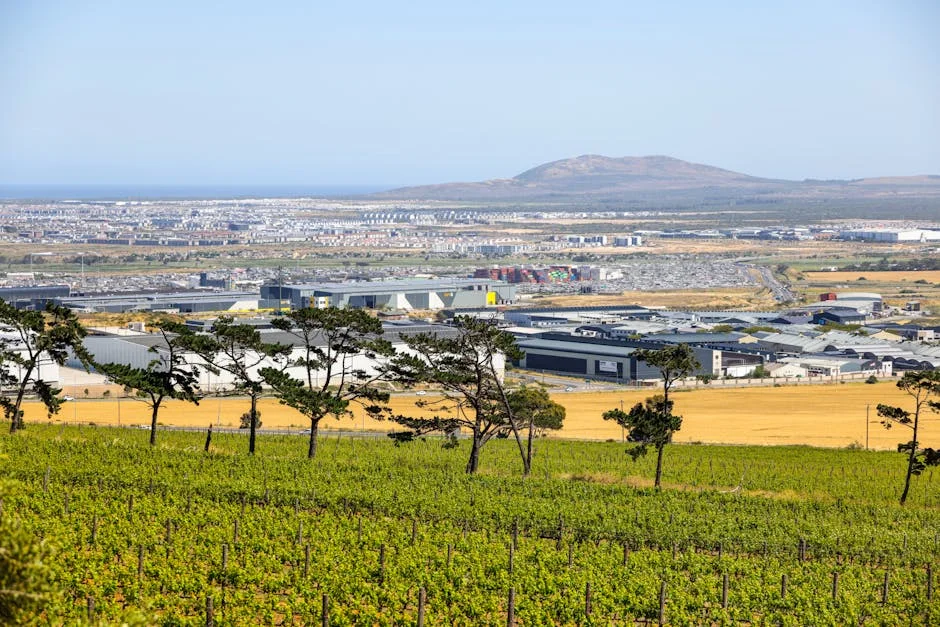
Property developer Thembi Simelane has officially launched a R576 million affordable housing initiative in Cape Town, marking one of the largest private-sector pushes into the South African residential market this year. The project centres on Somerset West, a rapidly growing node in the Western Cape’s property corridor, and aims to deliver high-yield assets for investors seeking stability in the Southern African real estate sector. This move signals a renewed confidence in the region’s economic fundamentals despite broader continental volatility.
Market Signal in a Volatile Sector
The launch of this substantial project comes at a critical juncture for South Africa’s construction and property markets. Investors have been watching Cape Town closely, as the city continues to attract foreign direct investment while Johannesburg faces its own structural adjustments. Simelane’s decision to commit R576 million demonstrates a strategic bet on long-term demand rather than short-term speculative gains.
Real estate analysts view this injection of capital as a stabilising force for the local economy. The construction sector alone employs millions across the continent, and projects of this scale generate significant multiplier effects. Local suppliers, engineers, and labourers stand to benefit from the steady flow of contracts over the next few years.
Financial Structure and Investor Appeal


The financial architecture of the Somerset West project is designed to appeal to both local pension funds and international investors. Simelane structured the deal to mitigate currency risk, a key concern for foreign buyers eyeing South African Rand-denominated assets. By locking in prices for materials early and securing long-term off-take agreements, the developer has created a buffer against inflation.
For UK-based investors, this project offers an alternative to traditional European real estate markets. The yield potential in Cape Town often outperforms London’s outer boroughs, particularly when factoring in the lower entry price per square metre. This cross-border interest underscores the growing integration of Southern African property into global portfolio strategies.
Risk Mitigation Strategies
The development team has implemented several risk mitigation strategies to ensure project viability. These include fixed-price contracts with major steel and concrete suppliers to hedge against commodity price fluctuations. They have also secured a land bank in Somerset West to allow for phased development, reducing the pressure on initial cash flow.
Insurance covers a significant portion of the R576 million valuation, protecting against both construction delays and market downturns. This layer of financial security makes the asset more attractive to conservative investors who prioritise capital preservation alongside growth.
Economic Impact on Somerset West
Somerset West is undergoing a rapid transformation, driven by its proximity to Cape Town International Airport and the expanding tech hub in the Western Cape. This new housing project will add thousands of units to the market, helping to ease the pressure on the local rental market. Affordability remains a key driver, with units priced to attract young professionals and small families.
The economic ripple effects extend beyond construction. New residents will increase demand for local services, from retail and healthcare to education and transport. This creates a virtuous cycle of investment and consumption, strengthening the local economy. Businesses in Somerset West are already reporting higher footfall and increased rental rates for commercial spaces.
Broader Implications for South Africa’s Housing Sector
This project highlights a broader trend in South Africa, where private developers are stepping in to fill the gap left by public housing initiatives. The government has long struggled to deliver affordable homes at scale, leading to a reliance on private sector innovation. Simelane’s approach combines modern construction techniques with strategic location choices to maximise efficiency.
The success of this model could inspire other developers to follow suit, potentially accelerating the pace of housing delivery across the country. If replicated in other key cities like Durban and Pretoria, the cumulative impact on the national housing deficit could be substantial. This shift towards private-led development is reshaping the landscape of South African real estate.
Investment Outlook and Future Projections
Investors are closely monitoring the progress of this project as a bellwether for the wider market. The initial reception has been positive, with pre-sales exceeding expectations and strong interest from institutional buyers. This early success suggests that there is robust underlying demand for quality affordable housing in Cape Town.
Looking ahead, the completion of the Somerset West project is expected to boost confidence in the Western Cape property market. This could lead to further capital inflows, driving up property values and creating new opportunities for investors. The key will be maintaining the momentum and ensuring that the development aligns with the evolving needs of the local population.
Strategic Lessons for Global Investors
This case study offers valuable insights for global investors looking to expand into emerging markets. It demonstrates the importance of understanding local dynamics and building strong partnerships with key stakeholders. Simelane’s ability to navigate the complexities of the South African market is a testament to the power of strategic planning and execution.
For UK investors, this project illustrates the potential for diversification and growth in Southern Africa. By identifying high-potential assets and working with experienced local developers, international buyers can achieve attractive returns. This approach requires a long-term perspective and a willingness to engage with the nuances of the local market.
The next phase involves breaking ground on the first block of units, scheduled for early next quarter. Investors and market watchers will be keen to see how the project progresses against its initial timeline and budget. This milestone will provide critical data on the efficiency of the development process and the strength of the local supply chain.
See Also
- South Africa Transforms Wine Festival into National Celebration — and Economic Engine
- Andy Roddick Urges Alexander Zverev to Seize US Market Opportunities