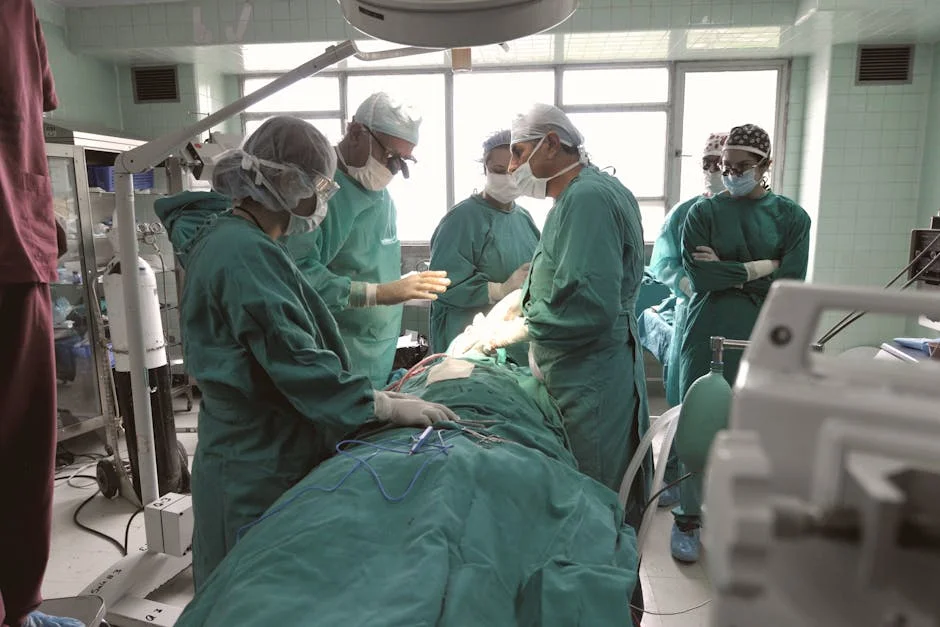
In the Democratic Republic of Congo, health officials are battling another Ebola outbreak that started on 24 July 2023, in the North Kivu province. The outbreak has already claimed 20 lives, and stopping the spread of the virus poses significant challenges not only for public health but also for the country’s economy and international markets.
Ebola's Economic Threats
The latest outbreaks of Ebola in Congo are causing considerable alarm among investors. The World Health Organization (WHO) confirmed on 15 August 2023 that the outbreak in North Kivu has resulted in 55 confirmed cases, creating fears of a widespread epidemic. This situation disrupts local economies, particularly since North Kivu is a crucial agricultural area, contributing significantly to the country’s food supply.
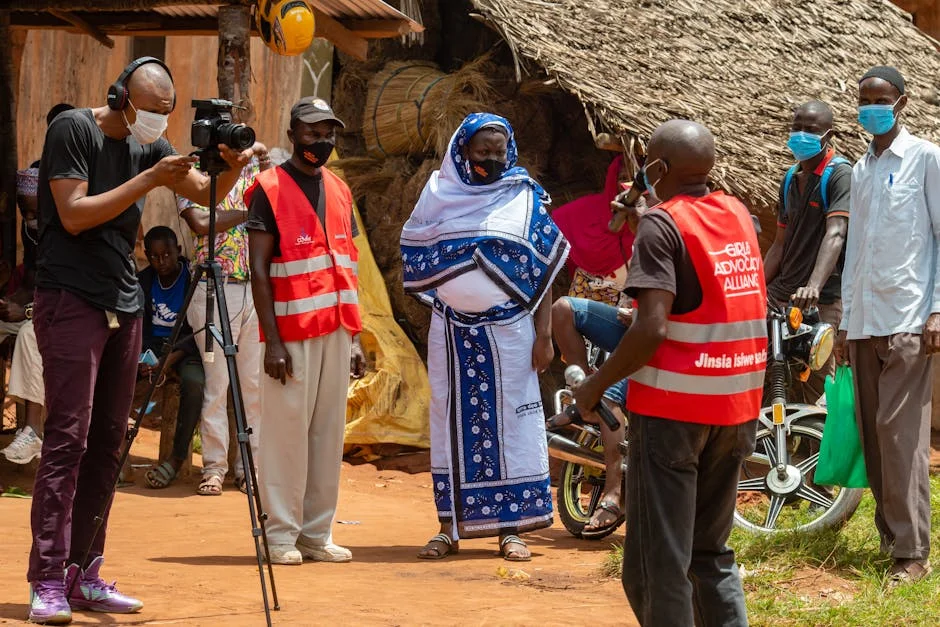
As roadblocks are enforced and market activities slow due to containment measures, farmers are struggling to reach markets, effectively reducing the supply of goods. Consequently, basic food prices have surged by up to 35% since the outbreak began, exacerbating inflation and further straining consumer purchasing power.
The Challenge of Containment


Containing Ebola is a complex task for health authorities in Congo, primarily due to the region's rugged terrain and underfunded healthcare system. The country's health ministry faces a shortage of medical personnel, with only 0.1 doctors per 1,000 citizens, leading to overwhelmed hospitals. The lack of resources hinders rapid response efforts, which are critical in controlling infectious diseases.
The densely populated areas in North Kivu, where many displaced people reside, present an additional hurdle. The virus spreads easily in cramped living conditions, making tracking and isolating cases extremely difficult. As a result, the government has enlisted the support of international organisations, including Médecins Sans Frontières (MSF), to aid in response efforts.
International Response and Implications
The international community is closely monitoring the situation in Congo. The European Union has committed €1.5 million to assist with containment efforts. This funding aims to improve healthcare delivery in affected regions and provide essential medical supplies. However, aid delays may weaken overall economic stability, making it imperative for timely assistance.
Investors are analysing potential implications on commodities traded internationally, particularly those sourced from Congo, such as cobalt and gold. If the outbreak escalates, supply chains could face disruptions, potentially leading to increased prices for these materials on global markets.
Health Measures and Future Outlook
The Congolese government is implementing measures to curb the outbreak, including vaccination campaigns. As of late August, around 5,000 people have received the Ebola vaccine. However, the success of these campaigns depends on public cooperation and government efficiency in information dissemination.
Furthermore, the Ministry of Health plans to increase awareness efforts to combat misinformation about the virus. Building trust within local communities is vital for ensuring that residents adhere to health guidelines. As the situation evolves, the focus will remain on testing and vaccination, crucial for mitigating any potential economic fallout.
Monitoring Developments
The ongoing Ebola outbreak in Congo is poised to impact both local and international markets, particularly if containment measures fail. Investors should remain vigilant as the situation progresses and watch for updates from health authorities and the government regarding outbreak containment and economic support measures.
As Congo battles this crisis, the international community's role in supporting disease management will also require close attention. Over the coming weeks, developments surrounding vaccination rollouts and public health strategies will determine the outbreak's trajectory and its subsequent economic implications.
See Also
- South Africa School Violence Destroys R28 Billion in Future Earnings
- Meta and Amazon Slash Jobs — Global Layoff Wave Hits Markets
However, aid delays may weaken overall economic stability, making it imperative for timely assistance.Investors are analysing potential implications on commodities traded internationally, particularly those sourced from Congo, such as cobalt and gold. As the situation evolves, the focus will remain on testing and vaccination, crucial for mitigating any potential economic fallout.Monitoring DevelopmentsThe ongoing Ebola outbreak in Congo is poised to impact both local and international markets, particularly if containment measures fail.