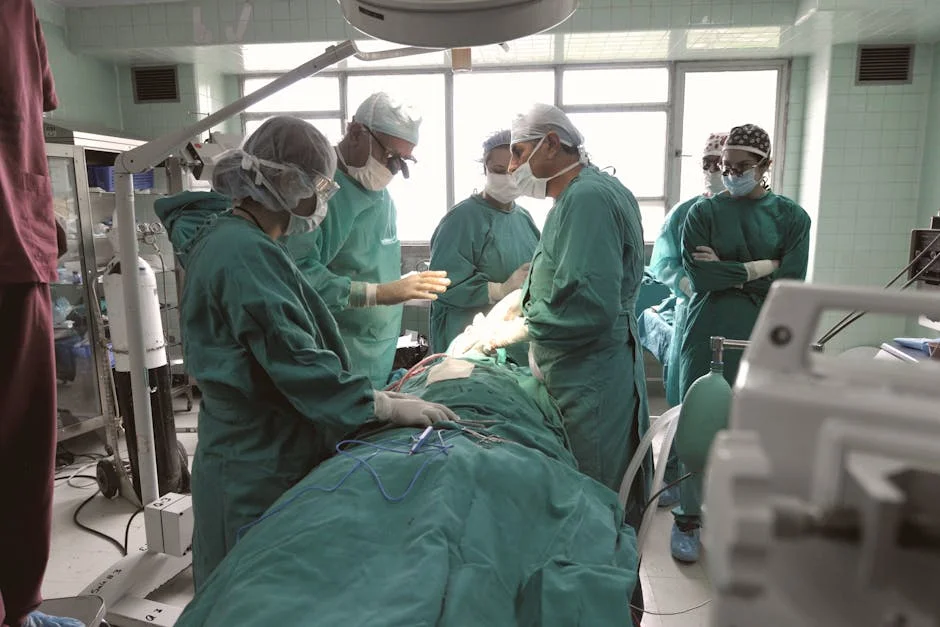
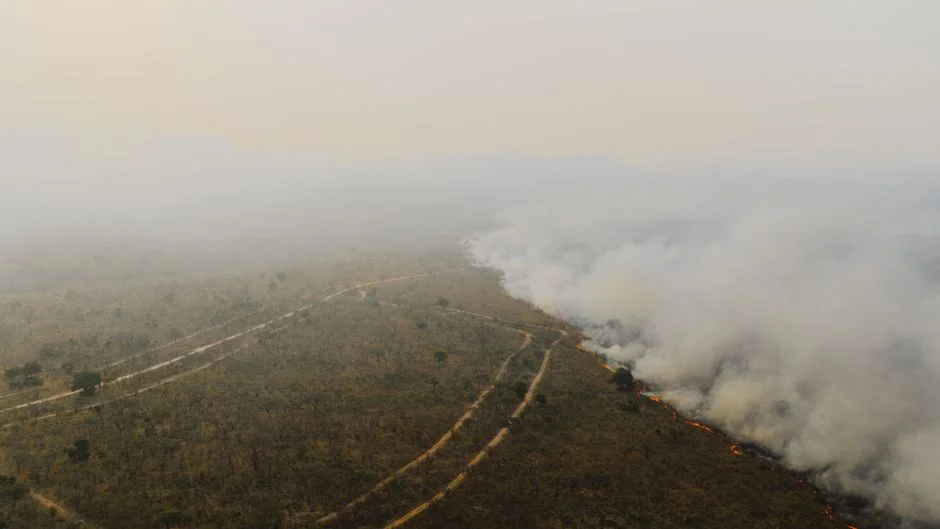
A provincial governor in the Democratic Republic of Congo has issued a stark warning that a rapid Ebola response is essential to prevent economic catastrophe in the mineral-rich Ituri region. This alert comes as health officials confirm new cases near key mining corridors, sending immediate ripples through global supply chains and local business confidence. Investors are now scrutinizing how quickly authorities can contain the virus without stifling the economic activity that drives the country’s GDP.
Health Crisis Meets Economic Reality
The intersection of public health and economic stability is rarely as fragile as it is in the DRC. The Ituri province, known for its dense forests and abundant coltan and gold deposits, is currently facing a dual threat of viral spread and potential trade disruption. When Ebola strikes, it does not just claim lives; it halts movement, closes markets, and scares away foreign direct investment. The governor’s statement underscores the urgency of balancing sanitary measures with economic continuity.
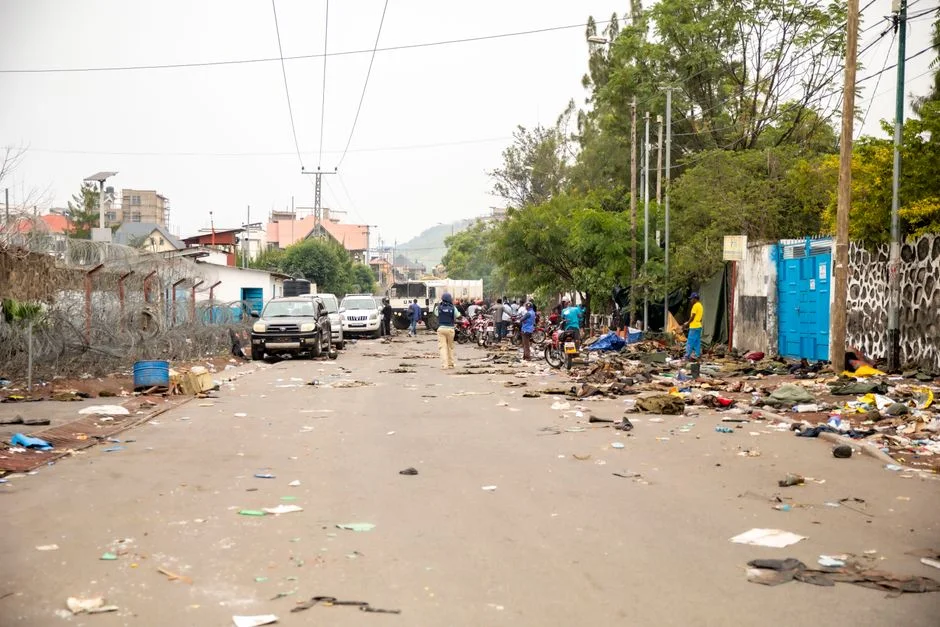
Economic analysts are already modeling the potential fallout. If the virus spreads unchecked, border closures could disrupt the flow of critical minerals to global electronics manufacturers. The cost of inaction often exceeds the cost of intervention, particularly when logistics networks are as strained as they are in Central Africa. Businesses operating in the region must prepare for volatility in both labor availability and transport costs.
Ituri’s Strategic Importance Explained

Understanding the stakes requires looking closely at the geography of the outbreak. Ituri is not merely a province; it is an economic engine for the DRC. The region supplies a significant portion of the world’s coltan, a key component in capacitors used in smartphones and laptops. Any disruption here sends shockwaves through the tech sector, from Nairobi to London and New York.
Mineral Supply Chains at Risk
The mining sector in Ituri operates on thin margins and tight schedules. Delays in extraction or transport can quickly escalate into price hikes for raw materials. Companies that rely on steady imports of Congolese minerals are watching the situation with heightened alertness. They are assessing contingency plans to source alternatives or absorb cost increases.
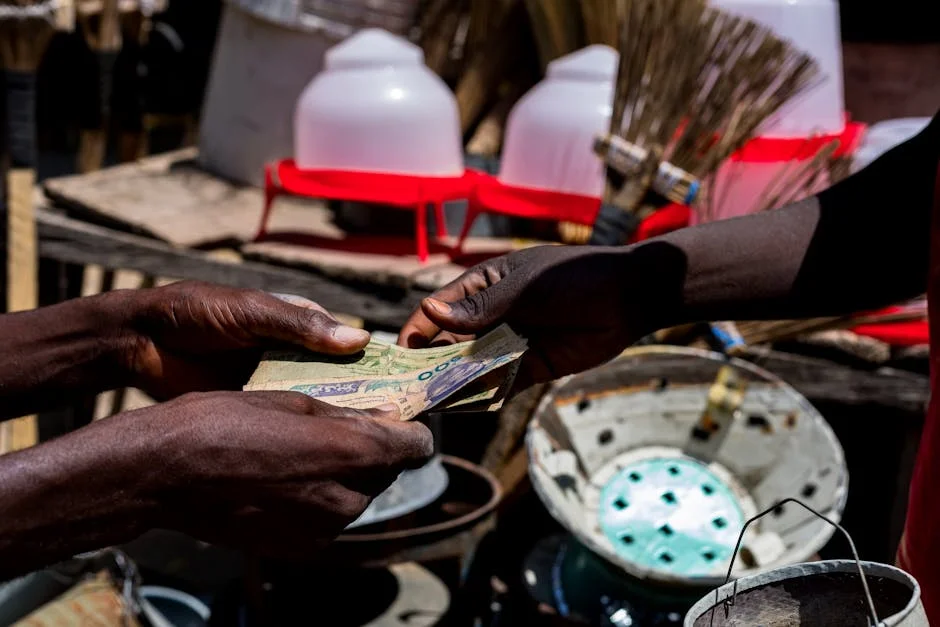
Furthermore, the local economy depends heavily on informal trade. Markets in Bunia, the provincial capital, bustle with activity that supports thousands of families. If health measures force these markets to close or reduce operating hours, household incomes will shrink, reducing local consumption and further slowing economic growth. This creates a feedback loop that can be difficult to break.
Market Reactions and Investor Sentiment
Financial markets tend to react swiftly to uncertainty. News of the Ebola alert has already prompted a cautious stance among investors holding assets in the DRC. Stock prices for mining companies with significant exposure to the region have shown slight volatility, reflecting concerns about potential operational bottlenecks. Foreign exchange markets are also monitoring the situation, as investor sentiment can influence the value of the Congolese franc.
Investors are particularly concerned about the speed of the response. A delayed reaction could lead to a more prolonged outbreak, which would necessitate stricter economic controls. These controls might include quarantines, travel restrictions, and even temporary closures of mining sites. Each of these measures carries a financial cost that will ultimately be borne by businesses and shareholders alike.
The uncertainty itself is a market killer. When businesses cannot predict whether their supply lines will remain open, they tend to hold back on spending and hiring. This hesitation can slow down economic momentum, making it harder for the DRC to achieve its growth targets for the year. Clarity from health officials is therefore not just a medical need but an economic imperative.
Business Implications for Local Enterprises
For local businesses in Ituri, the threat is immediate and tangible. Small and medium-sized enterprises (SMEs) often lack the financial buffers to withstand prolonged disruptions. A shopkeeper in Bunia or a transport operator on the roads to Goma faces the risk of reduced customer footfall and higher operational costs due to hygiene requirements. These micro-level impacts can aggregate into a significant drag on regional economic performance.
Larger corporations are also adjusting their strategies. Multinational mining firms are reviewing their health and safety protocols to reassure stakeholders and ensure continuity. This involves investing in personal protective equipment, setting up isolation wards, and possibly rotating staff to reduce exposure. These investments add to the overhead but are necessary to maintain operational resilience.
The service sector is equally vulnerable. Hotels, restaurants, and transport services in Ituri may see a dip in demand as both locals and expatriates adopt more cautious behaviors. This reduction in consumption affects a wide range of suppliers, from food producers to utility providers. The ripple effects can be felt across the entire local economic ecosystem.
Global Connections and UK Interests
The implications of the Ituri Ebola outbreak extend well beyond the borders of the DRC. The United Kingdom, as a major importer of Congolese minerals, has a direct interest in the stability of the region. British tech companies rely on the steady flow of coltan and cobalt to keep production lines moving. Any disruption in Ituri can lead to delays and cost increases that are ultimately passed on to consumers in London and beyond.
Trade links between the DRC and the UK are also significant. The DRC is one of the largest beneficiaries of UK aid, and much of this funding supports health and infrastructure projects. A major Ebola outbreak would strain these resources, potentially diverting funds from other development goals. This could have long-term implications for the economic and social progress of the country.
Investors in London are also monitoring the situation closely. The London Stock Exchange lists several mining and resource companies with exposure to the DRC. Fluctuations in the health situation can influence share prices and investment decisions. This connection highlights the interconnected nature of the global economy, where a health crisis in Central Africa can have financial repercussions in European financial hubs.
Policy Responses and Economic Planning
The DRC government is under pressure to implement effective policies that balance health and economic needs. This involves coordinating with international health organizations, such as the World Health Organization (WHO) and the African Union, to secure funding and expertise. These partnerships are vital for ensuring that the response is both robust and sustainable.
Policy makers must also consider the economic impact of their decisions. For example, imposing strict travel restrictions might slow the spread of the virus but could also stifle trade and investment. Finding the right balance is a complex challenge that requires careful analysis and timely action. The governor’s warning serves as a reminder that health and economy are two sides of the same coin.
Long-term planning is also essential. The DRC needs to invest in health infrastructure to make it more resilient to future outbreaks. This includes building more hospitals, training health workers, and improving data collection systems. These investments will pay dividends by reducing the economic cost of future health crises and enhancing the overall attractiveness of the country for investors.
Looking Ahead: Critical Timelines
The next few weeks will be critical in determining the trajectory of the Ebola outbreak in Ituri. Health officials are expected to release updated case numbers and mortality rates, which will provide clearer insights into the scale of the challenge. Investors and businesses should watch these updates closely to adjust their strategies accordingly.
Key milestones include the announcement of specific containment measures, such as the establishment of isolation centers and the launch of vaccination campaigns. The speed and effectiveness of these interventions will influence market confidence and economic stability in the region. Staying informed and agile will be essential for navigating the uncertainty ahead.
See Also
- KZN Police Mourn Sergeant Mandla Khuzwayo — Economic Ripple Effects Loom
- Springboks Hand Debuts to Three Newcomers in Strategic Selection Shake-Up
The United Kingdom, as a major importer of Congolese minerals, has a direct interest in the stability of the region. A major Ebola outbreak would strain these resources, potentially diverting funds from other development goals.
What is the latest news about dr congo governor triggers ebola alarm markets brace for impact?
Why does this matter for health?
What are the key facts about dr congo governor triggers ebola alarm markets brace for impact?