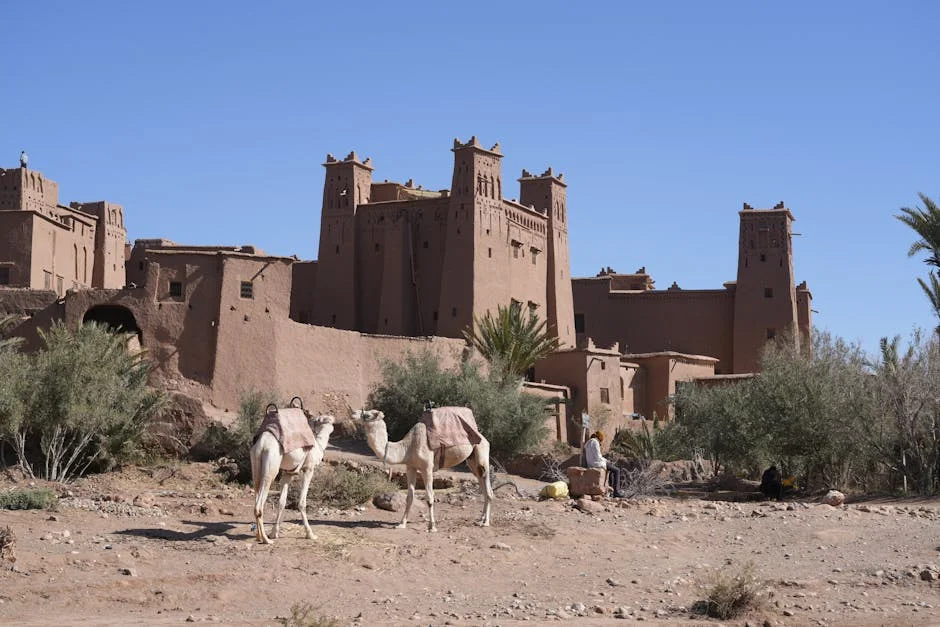
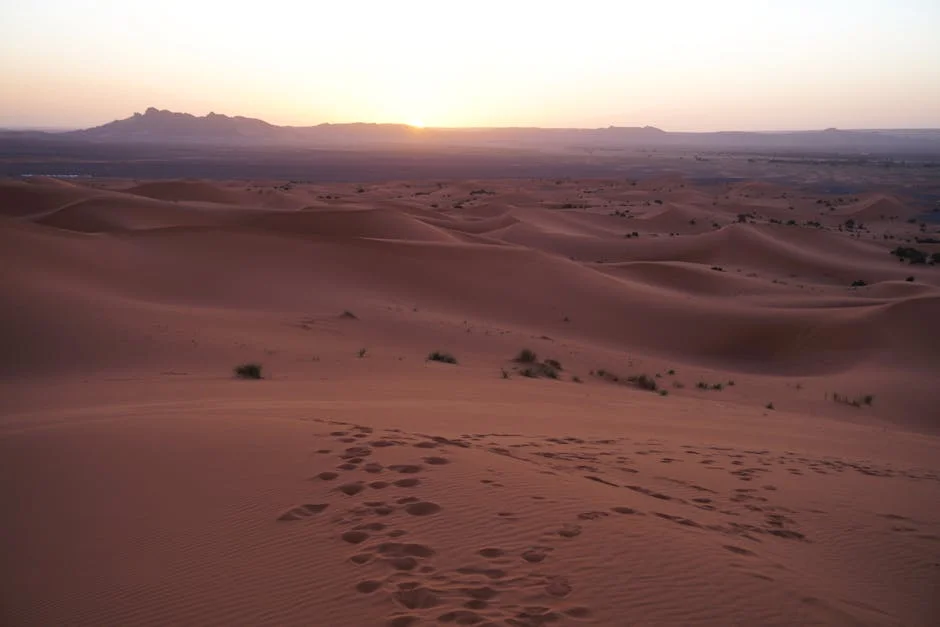
The Moroccan government is ramping up efforts to boost tourism in Western Sahara, seeking to draw visitors to the contested region. This initiative, announced by the Ministry of Tourism on October 15, aims to enhance the area's economic viability amid ongoing debates about its political status.
Strategic Shift in Tourism Policy
Morocco's tourism strategy seeks to attract international visitors to Western Sahara, a region it claims sovereignty over, despite long-standing disputes with the Sahrawi Arab Democratic Republic. The government plans to invest approximately £12 million in infrastructure and marketing efforts by the end of 2024. With the global tourism sector rebounding post-pandemic, Morocco aims to position itself as a destination that offers unique cultural experiences.
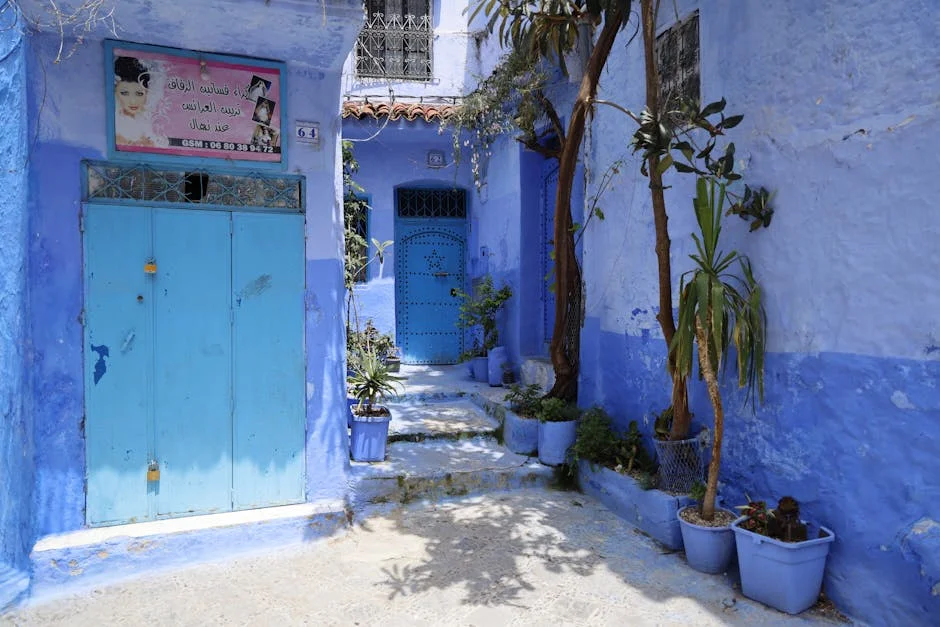
The tourism minister, Fatim-Zahra Ammor, stated that the government aims to develop eco-tourism and cultural heritage sites in the region, potentially creating jobs and stimulating the local economy. This move is seen as a way to bolster Morocco's claims over the territory by increasing its visibility and acceptance among tourists.
Economic Consequences for Investors


Investors are closely monitoring Morocco's latest tourism push, as the nation's economy shows signs of recovery. The tourism sector contributes nearly 7% to Morocco's GDP, and boosting the Western Sahara area could amplify these figures. If successful, this initiative may attract foreign investments and partnerships, particularly from the UK, where travel companies are keen to explore new destinations.
According to the Moroccan tourism ministry, visitor numbers could rise by up to 30% in the region by 2025 if the marketing campaign is effective. However, the ongoing political tensions could deter some potential investors wary of entering a disputed territory.
Impacts on Local Businesses
Local businesses in Western Sahara might benefit from increased tourist traffic. Restaurants, hotels, and cultural sites could see a rise in patronage as Morocco promotes the area's natural beauty and heritage. Yet, concerns linger regarding the sustainability of this growth given the region's political instability.
Hassana Sid, a local business owner, expressed mixed feelings about the initiative. “We want tourists to come, but we also need to be mindful of the political issues that could affect our livelihoods,” he mentioned. For many residents, the balance between tourism growth and political tensions remains delicate.
International Reaction and Future Implications
Internationally, Morocco's strategy has received both support and criticism. Some nations view the move as an attempt to solidify control over Western Sahara, while others argue it could foster economic development in a region often overlooked by tourists. The UK's travel and tourism sector may benefit from Morocco’s focus on expanding its tourism footprint, particularly if local businesses prosper.
As Morocco continues to implement its tourism strategy, the response from the international community and investors will be crucial. Should tourism flourish in Western Sahara, it could alter perceptions of the region and potentially impact diplomatic relations among involved parties.
What to Watch Next
The upcoming months will reveal the effectiveness of Morocco's marketing campaign and infrastructure developments. As the country gears up for the significant influx of tourists, industry leaders and investors will be keeping a close eye on how the political climate evolves. Key events to follow include international tourism fairs and Morocco's ongoing negotiations regarding Western Sahara's status, which could significantly influence the success of this tourism initiative.
See Also
- Reds Cubs Odds Shift: How Betting Markets React to VE
- Sizwe Dhlomo Exits Kaya 959 — What This Means for South African Media