South Africa faces a critical crossroads as its job crisis deepens, exacerbated by an economy struggling to adapt to modern challenges. At a recent Side Event held in Cape Town, officials emphasised that the nation cannot rely on outdated industries to tackle the pressing unemployment rates currently pegged at 34.9%.
Job Statistics and Economic Context
The country has seen a sharp rise in unemployment, with approximately 7.9 million people out of work as of the last quarter. The traditional sectors such as mining and manufacturing are faltering, prompting officials to consider innovative strategies to stimulate job growth.
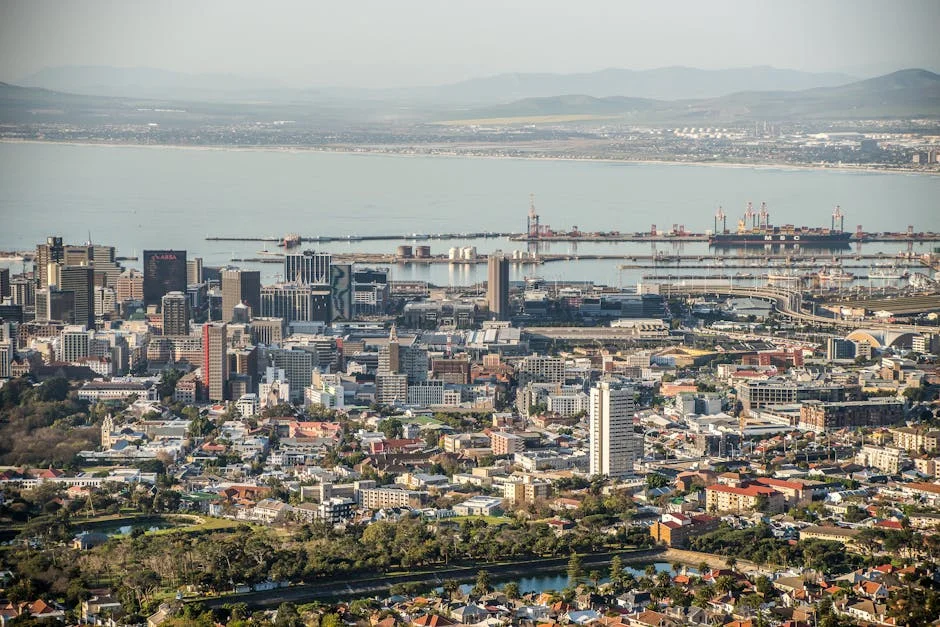
In recent years, sectors like renewable energy and technology have shown potential, yet they require immediate investment to absorb the workforce transitioning from declining industries. The South African government, led by Labour Minister Thulas Nxesi, has acknowledged the urgency of this situation, stating, "We must move beyond historical industries and embrace the future of work."
Official Insights on Future Employment


During the Side Event, various stakeholders voiced concerns about how South Africa plans to reconcile its employment strategies with economic demands. The Minister highlighted initiatives aimed at promoting skills development, particularly in technology and green energy sectors. However, these initiatives need robust backing to succeed.
Officials confirmed that a significant investment, estimated at R500 billion (approximately £24 billion), is needed to catalyse growth in high-potential industries. Without these funds, the risk of further job losses looms large.
Challenges Facing Businesses
Businesses are grappling with the reality of a diminishing labour pool. Many companies report difficulties in finding skilled workers as young people increasingly seek opportunities abroad. The South African Chamber of Commerce and Industry has stated that companies continue to be burdened by compliance costs and economic instability, hampering their ability to innovate.
The ongoing energy crisis also poses a threat, with frequent power outages impacting productivity. This environment places a strain on job creation initiatives, leaving many companies to operate below capacity.
Investor Perspectives
Investors are feeling the impact of these developments. Jamie Gallo, an analyst at Investec, pointed out, "The failure to adapt to new industries has led to stagnant investment growth. Investors are increasingly cautious about putting money into sectors that appear outdated or unsupported by appropriate policies."
Foreign direct investment has dipped significantly, triggering concerns over South Africa's economic competitiveness. Investors are seeking more favourable business conditions, further complicating the landscape for local enterprises.
The Future of Destination Branding
The Side Event also addressed the importance of destination branding in attracting both tourists and investors. South Africa aims to reposition itself as a hub for sustainable tourism and innovation, which could create numerous job opportunities.
A successful rebranding could see South Africa transform its image, aligning with global trends towards sustainability. However, this requires a concerted effort from the government, businesses, and communities to build a brand that resonates with modern consumers.
What’s Next for South Africa?
As South Africa grapples with its job crisis, the emphasis on developing new industries becomes ever more pressing. Stakeholders will need to monitor upcoming legislation and policy shifts that could alter the landscape for business and employment.
With the next public forum scheduled for next month, all eyes will be on the government’s commitments to funding and supporting the transition into new markets. The future of South Africa's economy hinges on the bold moves made today.
See Also
- Marilyn Monroe Centenary Triggers $200 Million Licensing Wave Across Hollywood
- Gael Monfils Exits ZA Markets — UK Investors Face New Risks
Investors are increasingly cautious about putting money into sectors that appear outdated or unsupported by appropriate policies."Foreign direct investment has dipped significantly, triggering concerns over South Africa's economic competitiveness. This environment places a strain on job creation initiatives, leaving many companies to operate below capacity.Investor PerspectivesInvestors are feeling the impact of these developments.