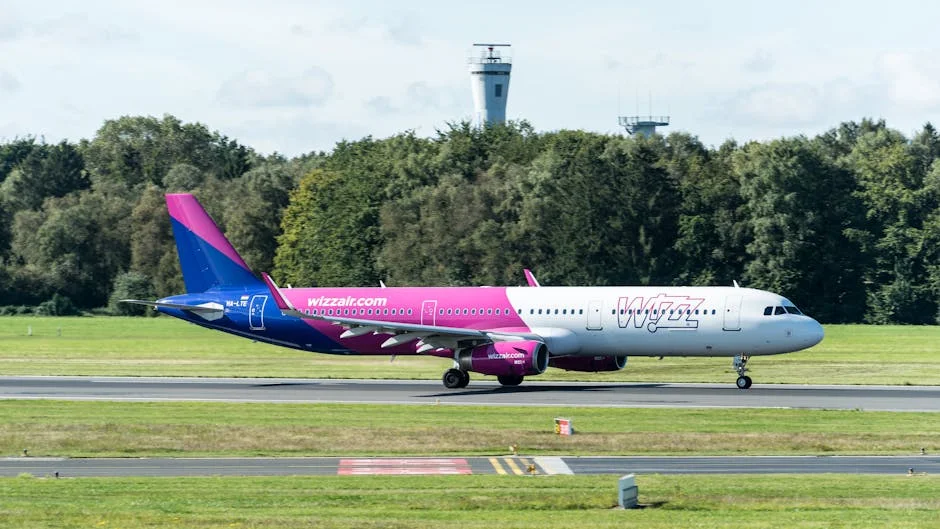
The Azores archipelago has achieved a historic milestone in air connectivity, establishing record routes that link Portugal's Atlantic outpost directly to major European and North American destinations. The development marks a turning point for an economy long constrained by its geographic isolation, opening new channels for trade, tourism, and foreign investment in one of Europe's most remote regions.
Record Route Expansion Reshapes Atlantic Access
The autonomous region reported unprecedented growth in direct flight connections during the most recent reporting period. Airlines serving the nine-island archipelago added multiple new routes, connecting destinations that previously required lengthy connections through Lisbon or other hub airports. The expansion reflects growing confidence among carriers in the Azores' potential as a viable transatlantic junction.

Regional airport operators confirmed significant increases in both passenger volumes and scheduled services. Local authorities have long advocated for improved connectivity as a prerequisite for economic development, arguing that better access could unlock investment in sectors ranging from agriculture to technology services.
Economic Boost for Tourism-Dependent Economy


The hospitality sector stands to gain the most from improved accessibility. The Azores, known for volcanic landscapes, whale watching, and thermal springs, has attracted increasing interest from travellers seeking alternatives to crowded continental destinations. Better flight options reduce one of the persistent barriers to growth: the difficulty and cost of reaching the islands.
Small businesses across the archipelago are already reporting changes in customer patterns. Restaurants, hotels, and adventure tourism operators in locations like Ponta Delgada on São Miguel island have noted a shift toward shorter lead times for bookings and higher volumes of international visitors. The multiplier effect on local employment could prove substantial if visitor numbers continue their upward trajectory.
Investment Appetite Grows for Strategic Location
The connectivity milestone arrives at a moment when investors are reassessing the strategic value of peripheral European locations. The Azores' position in the mid-Atlantic places it within range of both European and North American markets, a geography that has drawn attention from logistics and distribution companies exploring alternative supply chain configurations.
Regional development authorities have pointed to the islands' renewable energy potential and underutilised industrial zones as opportunities awaiting better connectivity. The Portuguese government has signalled interest in positioning the Azores as a testbed for sustainable economic development, with air access serving as a critical enabling factor.
Carrier Strategy Reflects Wider Atlantic Ambitions
Several airlines have cited the Azores expansion as part of broader strategies to capture emerging transatlantic leisure traffic. Budget carriers and legacy operators alike have identified the route network's potential to serve a customer base willing to travel longer distances for exclusive experiences. The economics of modern fuel-efficient aircraft have shifted the calculus on serving previously marginal routes.
Airport infrastructure improvements have accompanied the route growth. Investments in runway capacity and terminal facilities on key islands have removed some of the technical constraints that previously limited aircraft types and frequencies.
What Comes Next for the Islands' Economic Ambitions
Regional officials are now turning their attention to sustainability questions that accompany increased traffic. Environmental monitoring programmes have been expanded to track the impact of tourism growth on sensitive ecosystems. The challenge lies in capturing economic benefits while preserving the natural attractions that draw visitors in the first place.
Aviation analysts will be watching summer booking data closely to assess whether the connectivity gains translate into sustained demand or represent a one-time post-pandemic recovery effect. The next route planning cycle, expected in the coming months, will test whether airlines view the Azores as a permanent fixture rather than a seasonal opportunity.
What to watch: whether the Portuguese government moves to formalise the Azores' role in its broader Atlantic strategy, and whether infrastructure investment keeps pace with the connectivity boom.
See Also
- Bath University Breaks into Top 10 — What That Means for the Local Economy
- Ramaphosa Praises DRC and Uganda’s Ebola Response — Markets Watch Trade Risks